Can you drink tap water in Cyprus?
How drinking water is monitored in Cyprus, why taste varies by area and what to do during a temporary notice.
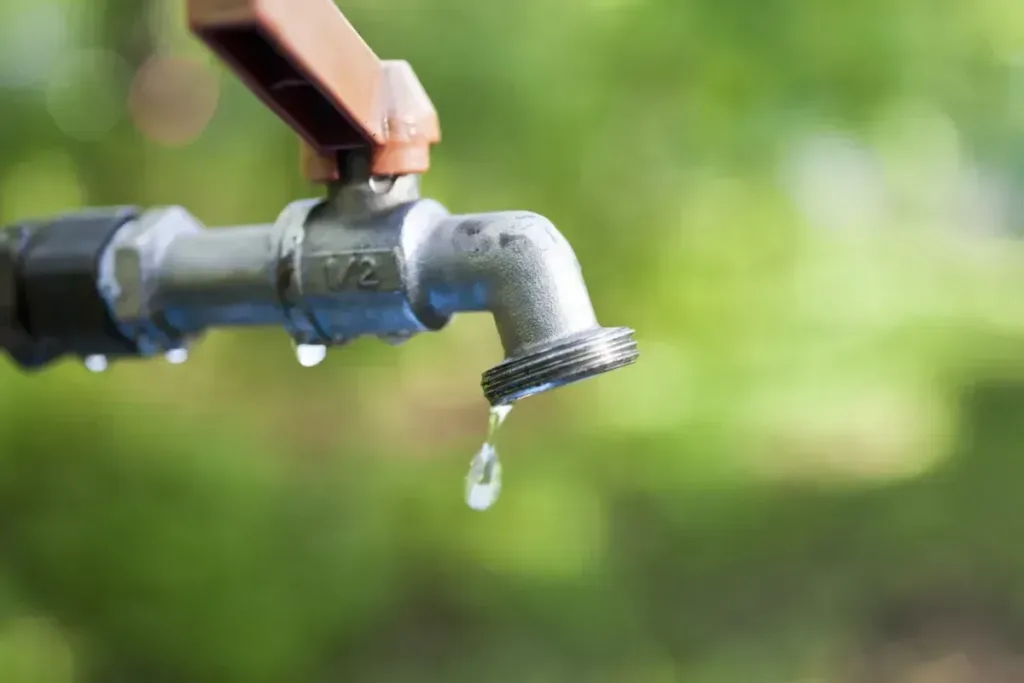
In brief: Public mains water in the Republic of Cyprus is subject to official drinking-water monitoring. The answer for a particular tap also depends on the building’s tank, pipes and any temporary local notice. Do not drink it when the supplier has issued a warning or the water looks or smells abnormal until you obtain current advice.
What is officially monitored
The State General Laboratory and health authorities run microbiological and chemical programmes covering networks, treatment plants and desalination facilities. Results are published by supply zone.
A single laboratory result should not be interpreted without its zone and programme context. Follow the competent service and local supplier for the current address.
Why the taste varies
Source, mineral content, chlorination, temperature and tank storage can change taste. An unfamiliar taste alone does not prove danger, while a pleasant taste does not guarantee safety.
In an old building or one left empty for a long time, ask the owner about the internal system and follow their flushing guidance.
When to use an alternative
Use bottled water or another confirmed safe source during an official notice, network damage, uncertainty about a tank or signs of contamination. For infant formula, follow product instructions and individual medical advice.
A jug filter may change taste or particular substances, but it does not override a do-not-drink notice and its cartridge must be maintained.
If you are uncertain
Check the local water board or municipality and ask the accommodation owner about the tank. Seek medical advice for illness; this page cannot diagnose a cause or provide a personal health assessment.
Do not turn a temporary incident notice into a permanent conclusion. Use the latest official status after the notice is lifted.
Practical checklist
- identify the supplier for the address;
- check local notices;
- ask about the internal tank and pipes;
- use a safe alternative during a warning.
From the mains to the individual tap
The supplier’s monitoring covers the public water supply system up to a certain point, whilst the final result is influenced by the building’s storage tank, internal pipework, filter and any prolonged stagnation. Therefore, a general assessment of the water supply network does not automatically answer the question regarding a specific kitchen. Check with the owner where the cold water comes from and how the system is maintained.
After a long period of absence, let the cold water run until it reaches a stable temperature, unless there is an official ban. Do not use hot water from the boiler as drinking water by default. For cooking, use the same safe source as for drinking, especially if the dish is not boiled for a long time.
A change in taste may be due to minerals or treatment and does not always indicate a hazard, but an unusual colour, odour, sediment or a notice from the supplier requires investigation. Do not attempt to ‘fix’ an unknown problem with a flavouring agent or a domestic filter without understanding the cause.
Bottled water and filters
Bottled water is convenient to keep in stock, but requires proper storage. Do not leave the bottle in a hot car or in direct sunlight for long periods; check that the cap is intact and check the expiry date. Keep an opened bottle clean and do not share it with others if this increases the risk of contamination.
A jug or under-sink filtration system only works for the specific tasks for which a particular filter cartridge is designed. A filter does not make any water safe, and an expired filter cartridge itself reduces water quality. Adhere to the manufacturer’s guidelines on service life, flushing and storage conditions; it is advisable to make a note of the replacement date.
Boiling addresses some microbiological risks, but does not remove all chemicals and is no substitute for official guidance in the event of an emergency. If the authorities have issued a notice, follow the specified method, timeframe and area of effect, rather than general advice from a travel article.
Children, health and travelling outside the city
For infants, people with weakened immune systems or specific medical conditions, it is best to discuss the decision with a doctor in advance. Do not make sudden changes to your usual routine, and do not use unfamiliar water for medicines or baby formula without specific advice. This guide does not assess the medical risk to an individual.
When heading to the beach, a walking trail or a long journey, take a sufficient supply from a trusted source and a separate reserve. A clear stream or public fountain does not guarantee that the water is safe to drink. Signposts, up-to-date information from the operator and local warnings are more important than the water’s appearance.
If you experience symptoms of dehydration or illness, act according to the medical situation rather than arguing about the taste of the water. Use official emergency numbers and tell the doctor what the person drank and when. Do not keep questionable water for a home experiment if this delays seeking medical attention.
Practical checks on your accommodation
When moving in, ask which tap is for drinking, whether there is a storage tank and filter, and when they were last serviced. Check the cold water visually and by smell, ensure the storage container is clean, and check for any current notices from the property management company. The response ‘everyone drinks it like this’ does not explain how the system is set up.
After a water cut or maintenance work, wait for an official notice and flush the system as recommended by the supplier or property manager. If the information contradicts itself, temporarily use sealed bottled water for drinking, cooking and brushing your teeth until the situation is clarified.
Keep the contact details for your supplier and local authority to hand, as notifications may be localised. Double-check the situation when moving house: a neighbouring property may have a different internal system. An evergreen answer should not give an unconditional ‘yes’ or ‘no’, but should provide a clear sequence of checks from the mains supply to the tap.
Official sources
Information checked on 9 September 2026. Recheck timetables, fares, opening hours and temporary notices before travelling.