‘The Cypriot Tricolour’: Russians in Cyprus
Shortly after Perestroika, Russians began to actively settle in ‘brotherly’ Cyprus. The Mediterranean Sea, the mild climate, the friendly Cypriots who remembered the USSR’s help in their struggle against ‘international imperialism’, and the quiet, traditional way of life – all this attracted the first Russian settlers. Many years have passed since then, and a diverse, […]
Shortly after Perestroika, Russians began to actively settle in ‘brotherly’ Cyprus. The Mediterranean Sea, the mild climate, the friendly Cypriots who remembered the USSR’s help in their struggle against ‘international imperialism’, and the quiet, traditional way of life – all this attracted the first Russian settlers. Many years have passed since then, and a diverse, multifaceted Russian diaspora has taken shape in Cyprus. Who, then, are these Russians living in Cyprus? Why did they come to the island, what do they do, and how do they live?
‘School, school, school…’
Children. It is for their sake that the first group of our compatriots comes here, and it is with them that I would like to begin this overview.
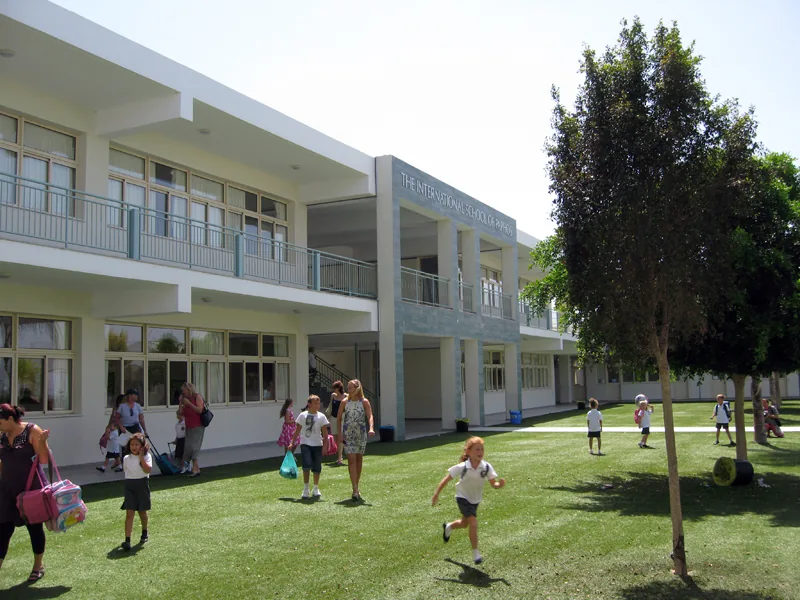 A gruff ‘teacher’, classmates of ‘very different nationalities’, slush underfoot just as the 1 September assembly is about to begin. A certain gloomy hopelessness and hours spent stuck in traffic jams are, more and more often, forcing Russians in Russia to seek an answer to the age-old question: ‘Where can we get away to?’ For some, it remains nothing more than a dream, whilst others are taking practical steps. In fact, it’s not so much a matter of indecision as it is of finances. And of the extent to which Dad can leave his business affairs behind in Russia. This determines the format of the family’s future life: ‘Mum and the kids in Cyprus, whilst Dad’s on a plane’ or ‘Mum, Dad and me – a happy Cypriot family’.
‘Yes, but why Cyprus?’ you might ask. And indeed, why not Spain, Singapore, the Côte d’Azur, and so on? Actually, some people do go to the countries mentioned above, but many choose Cyprus specifically. Why? The answer is simple: Cyprus’s unique system of authentic English secondary education.
There are plenty of schools here with a long and distinguished history. Plus, the British are the guardians of tradition. If you go to Cyprus, do drop me a line; I’ll organise a tour of an English school for you. Just bear in mind that this might not be the best move in terms of your potential future decisions. In the meantime, you can read my articles about The Grammar School (Limassol) and the International School of Paphos. In the ‘Education’ section, there are plenty more articles on the topic of ‘Cyprus for children’.
When the recent ‘Cyprus crisis’ happened – or, to put it more simply, daylight robbery – I received calls from international journalists from various countries, all asking, amongst other things, the same question: ‘Do you personally plan to leave Cyprus?’ I was genuinely baffled: ‘Why? Has my favourite school closed down?’ That’s what many people think.
Children are our future, and it’s better to raise them far away from drugs at school, fights outside the school building and alcohol near the school grounds. This is how quiet Russian families live, with nannies, grandmothers, mothers-in-law, Filipino maids: they drive the children to school, to after-school clubs, sports sessions and to the seaside. For the women, this is a proper job – spending the whole day behind the wheel. And it’s Dad who earns the money. Or perhaps he’s already made his fortune. In that case, the family moves into the next category.
The Cypriot pensioner
 This is an amusing phenomenon and often has nothing to do with old age or worn-out slippers. It’s simply a person who has decided they’ve ‘had enough’: a civil servant who didn’t wait for ‘the moment of truth’, a businessman who managed to secure a reliable support network in the form of trusted partners and competent top management.
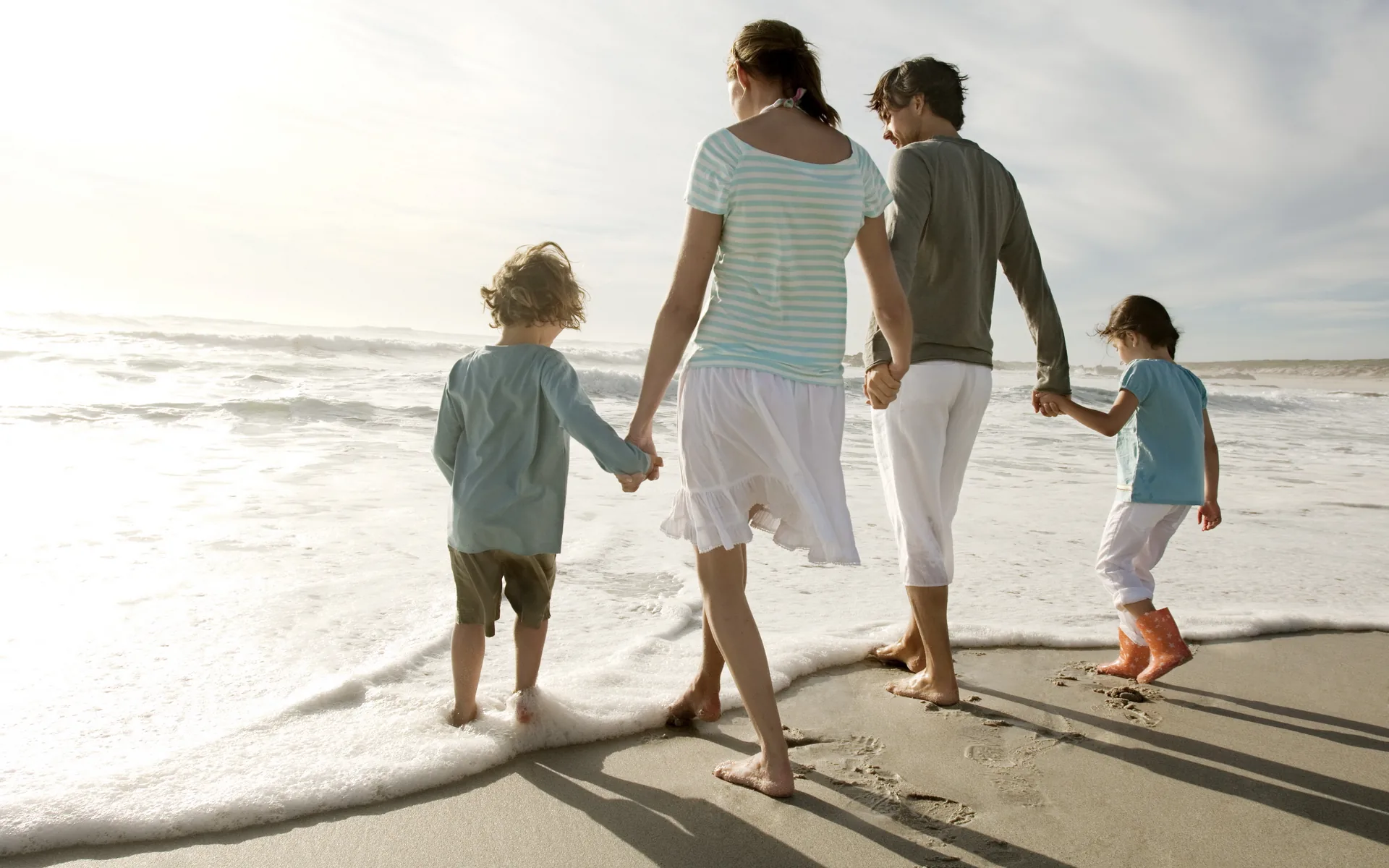
There are many possibilities, but the outcome is the same: a splendid-looking couple lead a measured lifestyle, raising their children. Together they take the children to school, then head off for breakfast at a hotel or their favourite little beachside restaurant; together they pedal away on the exercise bikes at the fitness club, followed by the beach, school, lunch, holidays in Europe, and a summer in Russia (if they fancy it). Many people enjoy this sort of lifestyle. And this sort of retirement is possible at any age.
Some arrive in their twilight years, when their children have grown up and may well be providing their parents with a peaceful retirement on this paradise island. Some conscientious grandparents are raising their grandchildren here, whilst their children provide the financial foundation.
All in all, it all comes down to finances once again: if you have the means, you’re welcome in Cyprus; no one will put any obstacles in your way, and your life will be peaceful and carefree—perhaps even too much so, but more on that below.
By the sweat of one’s brow…
Working residents can be divided into four broad categories:
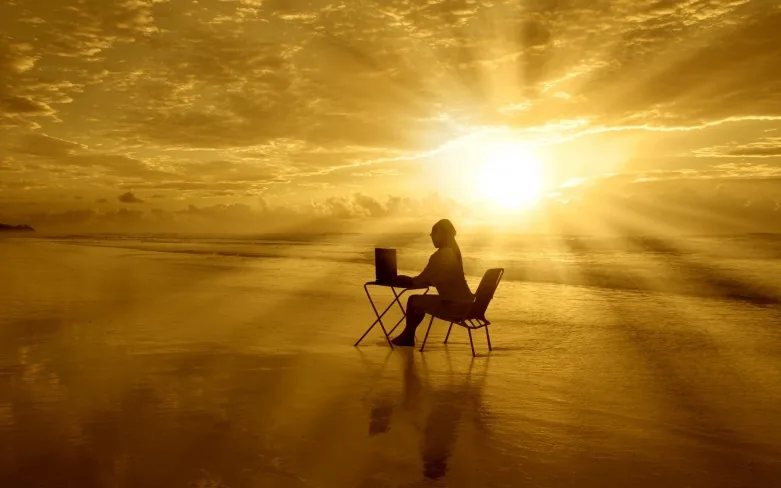
The first is very similar to the previous group of pensioners of various ages. These are people who are not overly burdened by a daily work routine. This mainly involves remote work: remotely managing a business or previous investments, various forms of freelance work, and creative pursuits – activities which, as a rule, do not take up a full working day, allowing for a fairly flexible schedule and a life in the blissful status of a ‘part-time working pensioner’.
 Salaried employees of Cypriot companies have the hardest time of all. Cypriots reserve the most attractive jobs for their own people, leaving the least prestigious roles to foreigners: unskilled labour on building sites, chambermaid roles in hotels, and waiter positions. And there is no shortage of competition from EU countries that were formerly part of the socialist bloc.
A salary of 1,000 euros, 300 of which goes on rent, children attending a free Greek school, state healthcare, and scrimping and saving on everything. Don’t forget that Cyprus is a fairly expensive country, where there are virtually no social programmes for foreigners.
It is not easy to find work with a Russian passport. You need to obtain a work visa, and this is done on the employer’s initiative, who in turn has quotas for foreign workers. Illegal work is risky – the immigration authorities are always on the lookout.
‘We’re not stokers or carpenters!’
Managers of the Cypriot branches of Russia’s ‘blue-chip’ companies have set their sights on Limassol. Oh yes! Things are quite different here. A decent salary, a flat or villa – often rented at the company’s expense – and a company car. Usually, a job like this is a bit like winning the lottery: the bosses are far away, and the sea is close by. What more could you want?
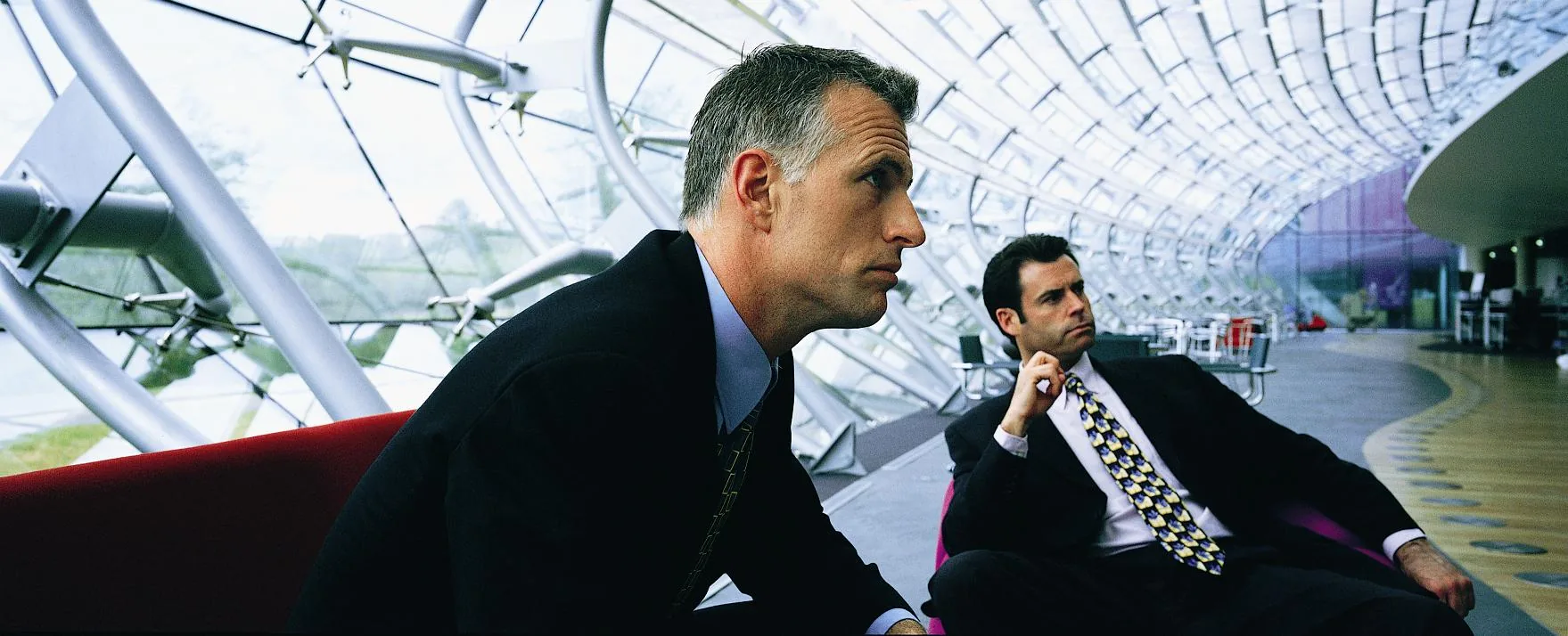
Russian businessmen
Or let us sing a song to the folly of the brave
‘To get up to something’ — this is the desire that arises in many of our compatriots who do not fall into the previous categories. And the fuss dies down, leaving battered signs on abandoned premises that were once rented out as restaurants or shops.
Some of our compatriots arrive in Cyprus with the firm intention of ‘surprising and winning people over’. ‘It doesn’t matter that I haven’t read a single book on restaurant cuisine; I grill shashlik so well that my friends are delighted,’ thinks yet another would-be conqueror, without understanding the local specifics, traditions or market conditions.
It would seem that the catering sector on the island is dreadful. Yes, indeed! Finding a good restaurant is by no means easy, and there aren’t many positive restaurant reviews on our website—not just because of our laziness, and certainly not out of greed, but because there really are very few good restaurants (please don’t take offence, those of you we haven’t got round to yet—get in touch!). But Cypriots mainly go to their own places; the British don’t have much money, and the Russians still need a bit of a nudge.
I personally know Russians who only decided to set up a business here after living on the island for several years. That’s the right approach. And even then, you’re not guaranteed an easy ride when it comes to promoting your business. The reasons are simple: a small market on a relatively small island, and the distinctive mindset of the local population, who find themselves at a loss when it’s not them making money from the Russians, but the other way round.
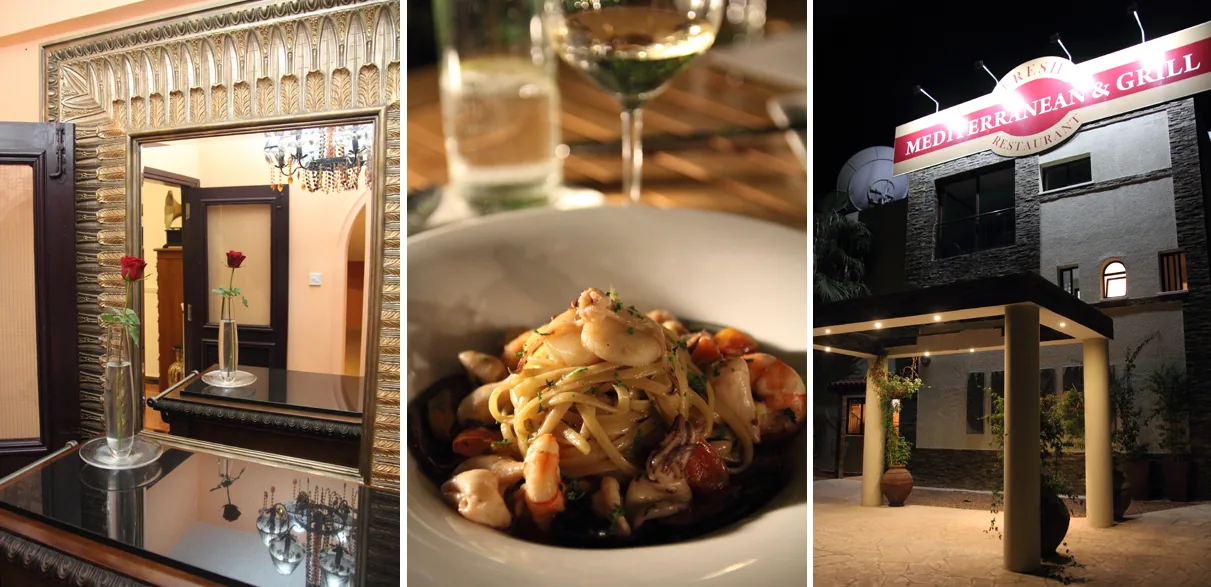 I wholeheartedly wish all Russian businesspeople in Cyprus the best of luck and take my hat off to them. Building a successful business here is far more difficult than, say, in Moscow. Take my word for it, I know what I’m talking about!
To the tune of Mendelssohn
 ‘A Happy Marriage’. A popular theme. I don’t think I’m giving away any secrets when I say that Russian women are fantastically beautiful. And our blondes, auburn-haired women and brunettes often make the temperamental Greek Cypriots lose their heads. Incidentally, it’s not just the Greeks. Cyprus is a multi-ethnic island.
Marriage to a Cypriot. For many Russian women, it becomes the celebration of a lifetime. But there are just as many cases where it ends in tragedy. I personally know some very beautiful and happy couples, but I’ve also heard plenty about troubled divorces.
The mentalities of our peoples are similar in some ways, but the differences are also noticeable. Once you arrive in Cyprus, you find yourself in the East, where a woman’s place is sometimes defined in a rather peculiar way.
There are lots of relatives here, and they adore children. Your husband’s relatives will adore your children. It’s wonderful when you and your husband love each other, but when it comes to divorce, life turns into a living hell. So, to conclude this difficult topic, I’d like to offer just one piece of advice: girls, be more cautious – have a bit of compassion for men!
What is there to do?
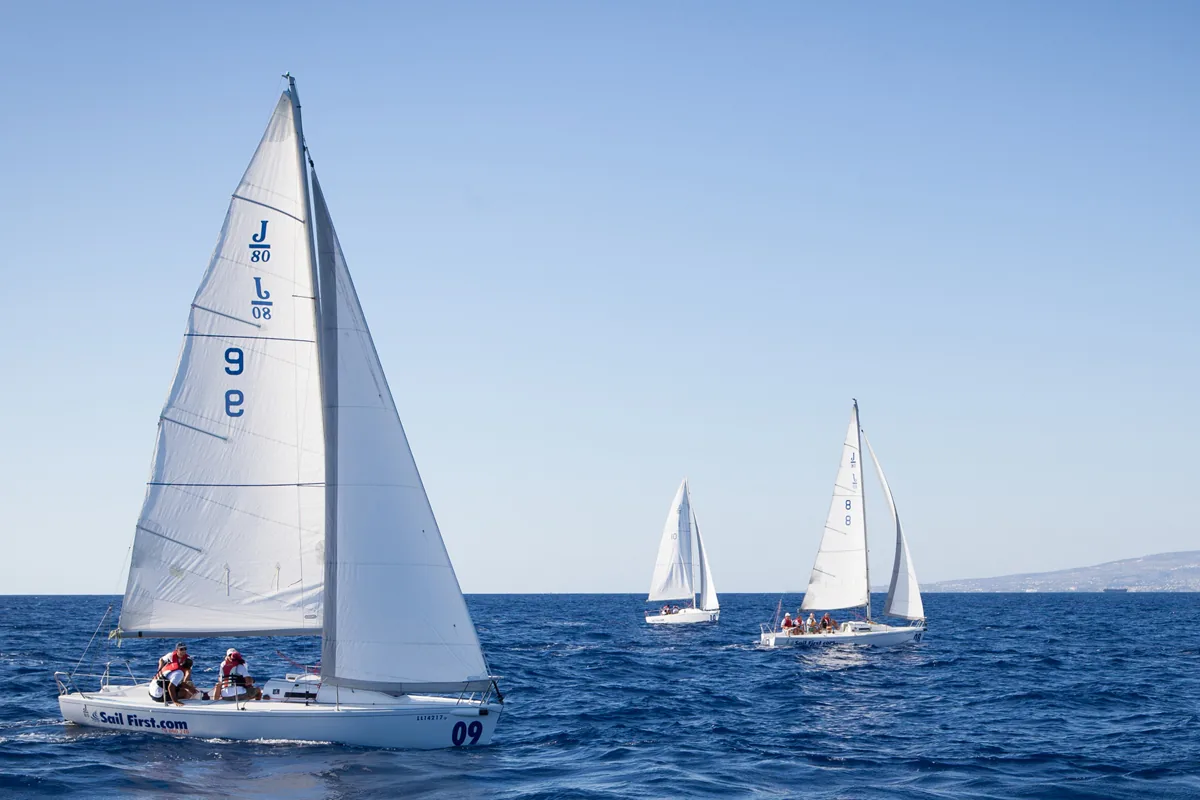 So what do our compatriots get up to here apart from work (for those who have it)? What brings them to this quiet island?
One reason has already been mentioned – children. In my view, Cyprus is the best place in the world to raise children.
In second place, I’d put safety, the environment, peace and quiet, the weather, the climate, the food, the distinctive unhurried way of life and, of course, the sea.
Sport. Cyprus is unique for lovers of various sports: football, tennis, badminton, yachting, diving, kitesurfing and swimming. And all this takes place not in stuffy indoor venues, but practically all year round in the fresh air.
What’s on offer in Cyprus?
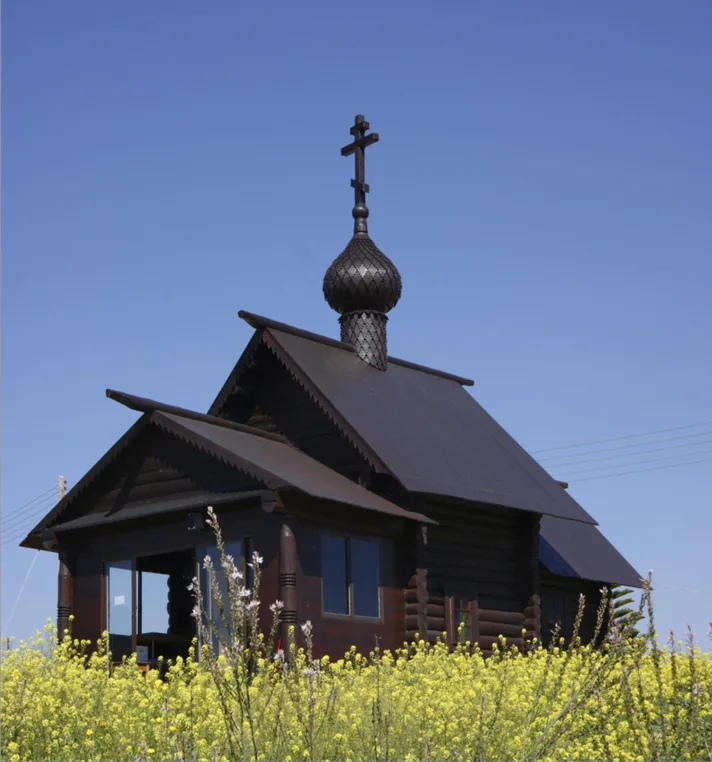 There are plenty of Russian-speaking services in Cyprus: doctors, advisers, shops, restaurants, radio stations and schools (should anyone need them). Every town has a Russian-speaking Orthodox priest whom you can visit for confession or simply to discuss a difficult situation in life. The official parish of the Russian Orthodox Church is in Limassol. Construction has begun on the first Russian church in Cyprus.
Towns in Cyprus
Limassol
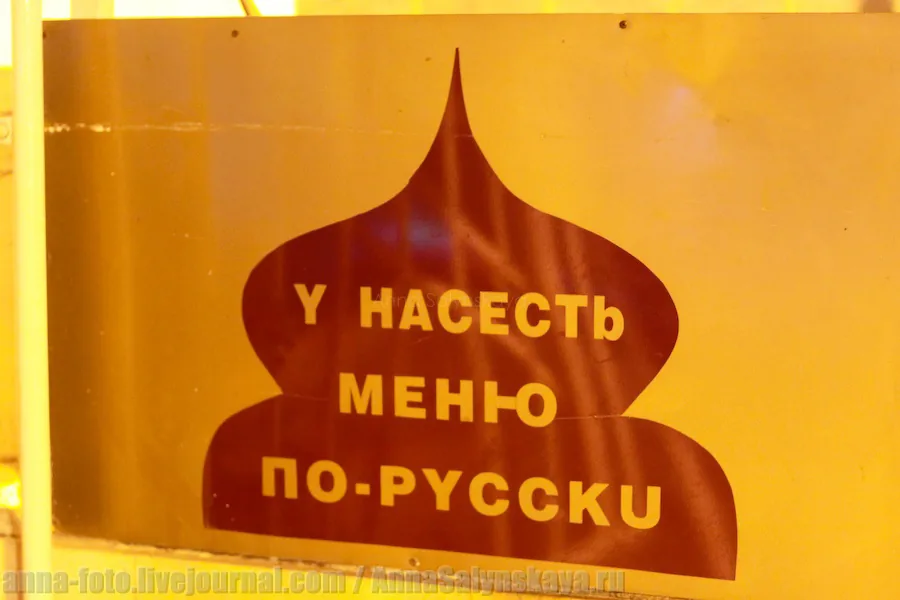 The most ‘Russian’ city in Cyprus. The main Russian-speaking services are concentrated here.
Russian-speaking doctors, solicitors, lawyers, taxi drivers, staff in shops, car hire agencies and banks, as well as hotels favoured by affluent tourists from Russia. In some of these, the proportion of Russian tourists during the high season exceeds 90 per cent. Signs and menus in Russian are commonplace in Limassol.
Russian-language services may vary in quality, but one thing is certain – they are never cheap. Speaking Russian is a sign of deep pockets, a reluctance to haggle and the promise of generous tips.
Limassol is home to several prestigious English-speaking schools, where the proportion of Russian pupils is approaching 50 per cent. Here you’ll find the impressive offices of major Russian companies, expensive cars, and beachfront villas valued at sums with six, or even seven, zeros. Here are the finest restaurants and the most popular nightclubs.
Paphos
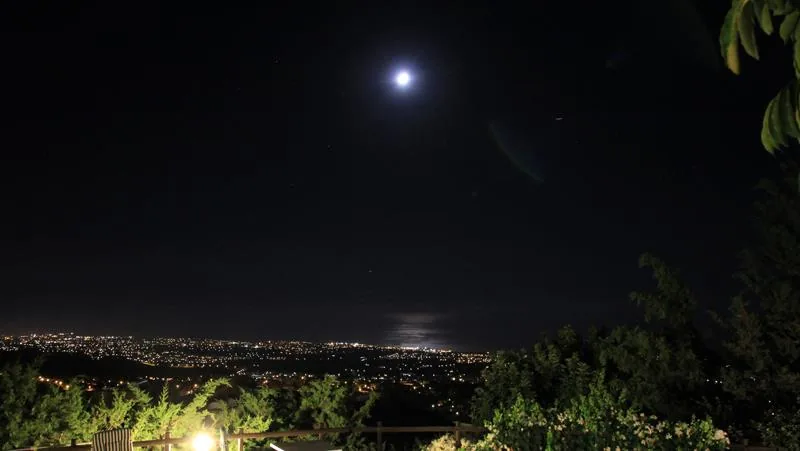 Cyprus’s second-largest city in terms of its Russian-speaking population. There is a large Pontic diaspora here, but there are also quite a few Russians themselves.
Our compatriots have taken a fancy to the charming foothills — the villages of Peyia and Tala — and the coastal areas of St George and Coral Bay, whilst those who prefer a secluded lifestyle away from the hustle and bustle of civilisation head further afield – to the northern coast, which in this area belongs to the official part of Cyprus – to Polis and the picturesque fishing village of Latchi.
Paphos is much quieter than Limassol; there are fewer cars and more British people here, the climate is slightly cooler and the countryside is greener.
Nicosia
 The capital city, situated some distance from the sea, attracts primarily civil servants and official representatives of commercial organisations. It is very hot here in summer and cold in winter; people live here out of necessity.
Nicosia is home to the only licensed Russian school in Cyprus. All the others operate on behalf of the Russian school in Nicosia (pupils are legally registered at the school in the capital).
Larnaca
Larnaca is a small town that attracts some compatriots due to its proximity to the main international airport.
Property prices here are not particularly high, and there are several schools offering private English-language education.
Nearby lies the picturesque eastern part of Cyprus, home to the ghost town of Famagusta and the Protaras area with its sandy beaches.
What is missing in Cyprus?
There’s no option here to claim social security benefits so you can ‘not work and still get by’. It’s generally difficult to find a job here, just as it is to set up your own business aimed at the local market. Russians in Cyprus usually spend money rather than earn it. However, the island isn’t suitable for everyone who has already ‘made their fortune’.
There’s no glamorous social scene in Cyprus; there’s nowhere for lovers of high society to let their hair down. Going to Cannes for the film festival, to Monaco for the Formula 1 Grand Prix, or taking a yacht trip to Monte Carlo – that’s not what Cyprus is about. Even ‘taking your fur coat out for a spin’ in winter is a problem! Just as it’s not about driving down Hollywood Boulevard or popping over to Mexico for the weekend. To each their own. If you’re after bright lights, the glint of limousines and the matte sheen of a motor yacht’s hull, then Cyprus isn’t for you.
To everyone else, I say: ‘Welcome!’