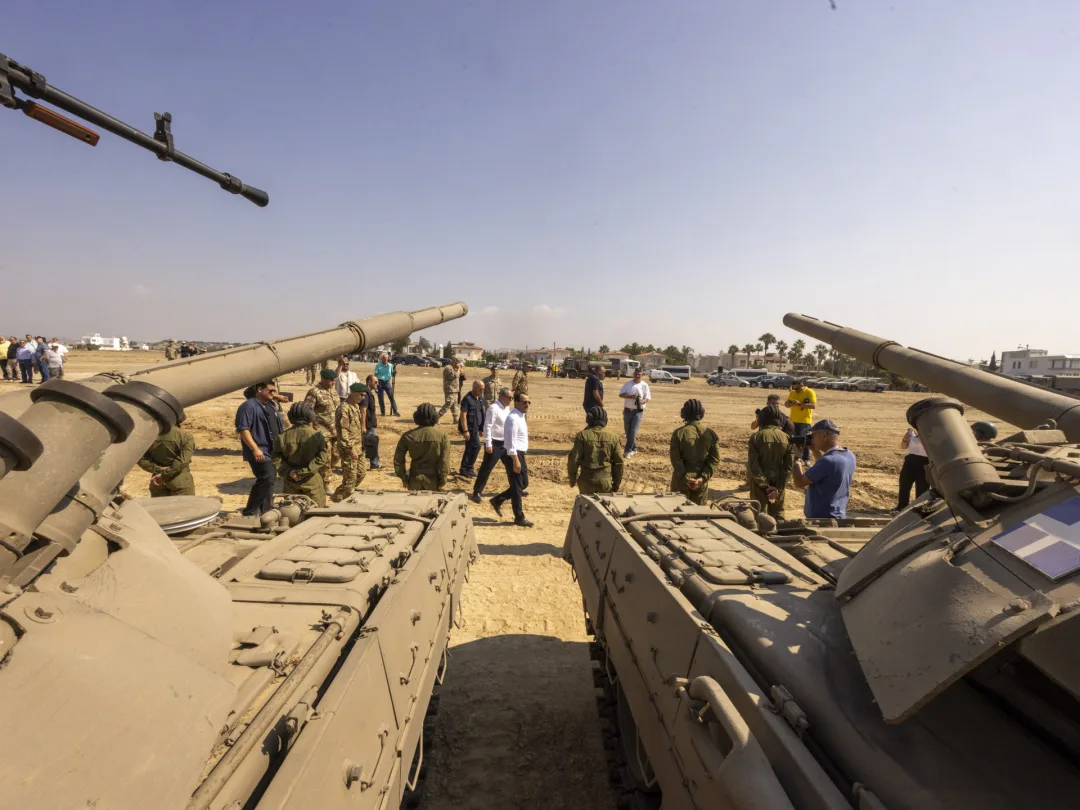
Nicosia, Cyprus. The June 2026 Status of Forces Agreement between Cyprus and France and the 2024–2029 US-Cyprus Defence Roadmap mark a significant shift from Cyprus’s historic military neutrality. Both agreements deepen military cooperation with Western partners but do not include mutual defence commitments.
Agreements expand access and cooperation
The Cyprus-France SOFA sets out legal, jurisdictional and logistical arrangements for French military access to Cypriot infrastructure, including the Mari naval base and the Andreas Papandreou air base. The agreement includes provisions for joint exercises and intelligence sharing, but it does not create a legal obligation for France to defend Cyprus in a crisis.
The 2024–2029 US-Cyprus Defence Roadmap outlines closer cooperation with the United States through military interoperability, expanded crisis-management infrastructure, measures described as asymmetric defence against Russian and Chinese influence, and a transition to Western defence procurement. The roadmap does not provide binding security guarantees.
Financial and operational terms
The agreements provide France and the United States with operational access while limiting their direct obligations, according to the text. Cypriot taxpayers are expected to bear the cost of a €200 million expansion of the Mari naval base to accommodate French heavy vessels, while France provides technical designs.
The United States is directly funding a €14.7 million heliport in Paphos. The project is described as giving Washington rapid operational access to the Levant without requiring a permanent American military base.
Deterrence calculations
According to the text, Cyprus is seeking to deter Turkey by embedding French and American assets at key facilities, with the expectation that the presence of Western powers could discourage escalation. The strategy also aims to strengthen Cyprus’s position in future negotiations over the Cyprus issue.
The text argues that this approach assumes Western powers would act to protect their access and infrastructure on the island, despite the absence of explicit defence treaties. It says this could increase diplomatic friction with Turkey without establishing formal security guarantees for Cyprus.
Regional context and energy interests
The military shift is also linked in the text to Cyprus’s offshore natural gas plans. Cyprus has granted exploration rights to ExxonMobil, Chevron and TotalEnergies, a move that the text says internationalises its waters and is intended to raise the stakes for any disruption affecting American and French commercial interests.
The text also says Cyprus is pursuing alternative energy corridors designed to bypass Turkey.