Brussels, Belgium. The EU’s Competitiveness Council has adopted conclusions on sustainable and competitive tourism, which Cyprus Deputy Tourism Minister Kostas Koumis described as a key achievement of the Cyprus Presidency of the Council of the EU. The conclusions are expected to contribute to the European Commission’s first strategy for sustainable tourism, due later this year.
Adoption of the conclusions
The conclusions, titled “Building a sustainable and competitive tourism for the future,” were approved in Brussels under Koumis’ chairmanship. The Deputy Ministry of Tourism said their adoption was “one of the emblematic legacies of the Cyprus Presidency of the Council of the European Union and the result of its own initiative.”
Statements from Koumis
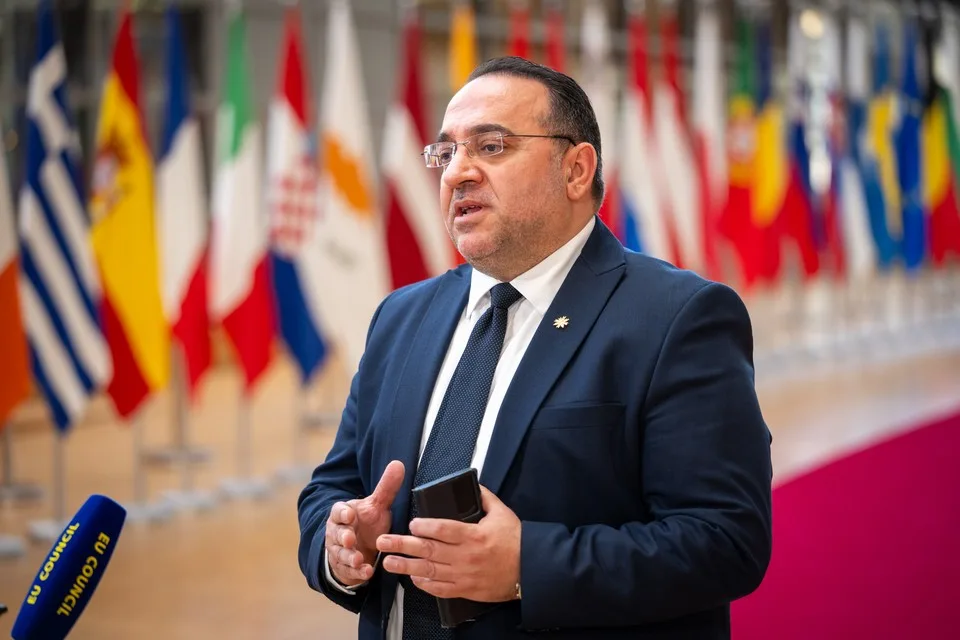
“Tourism is a key driver of growth, employment and cultural exchanges across the EU. Today’s conclusions chart a clear path towards ensuring the long-term resilience and competitiveness of the sector in a rapidly changing environment,” Koumis said after the adoption.
Speaking from Brussels, he said the move sent “a strong political message on the strategic importance of tourism for the European economy, regional development and social cohesion.” He also thanked the European Commission and Commissioner for Sustainable Transport and Tourism Apostolos Tzitzikostas for “the constructive cooperation throughout the Cyprus Presidency.”
Presidency priorities
According to the deputy ministry, securing approval for the conclusions was a priority from the start of the Cyprus Presidency, with the aim of strengthening existing policy frameworks and ensuring they are used in preparing the forthcoming EU strategy.
The outcome followed consultations with member states, meetings of the Working Party on Tourism and the informal meeting of EU tourism ministers, which was hosted in Nicosia in April 2026.
Cyprus role in the talks
Koumis said he was particularly satisfied that Cyprus had delivered on one of its main commitments. He said the Council Conclusions, entitled “Building a Sustainable and Competitive Tourism for the Future,” marked the end of the discussions at the COMPET Council in the field of tourism.