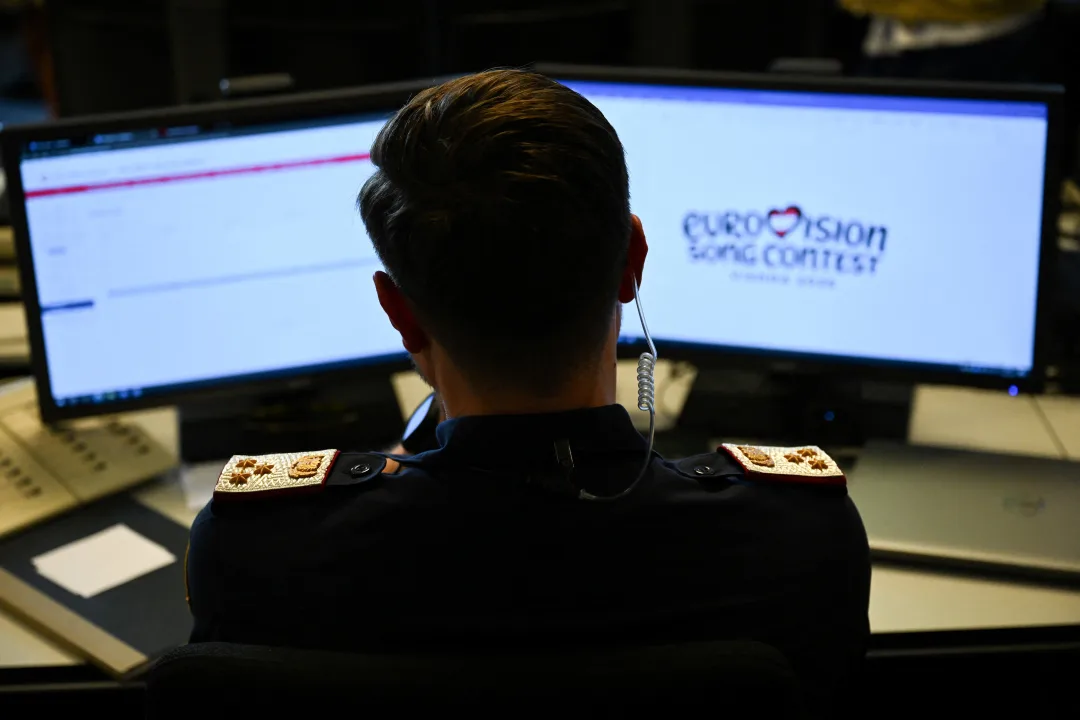
Brussels, Belgium. Eurovision is facing scrutiny over new public-voting rules introduced after broadcasters complained about Israel’s ability to mobilise votes, as the contest also faces boycotts over Israeli participation.
New rules introduced for 2026
The Eurovision Song Contest, now in its 70th year, has long faced disputes over voting records and rivalries among participating national broadcasters.
Its organiser, the European Broadcasting Union (EBU), introduced new regulations for 2026 to discourage states and other third parties from “disproportionate promotion campaigns” after several broadcasters raised concerns about the result, citing Israel’s unusually strong showing in the public vote last year.
Voting patterns and online promotion
Israel, which says it plays by the rules, got 83% of its points from the public for its song “New Day Will Rise” and came second overall. The winner, Austria’s “Wasted Love”, got 41% of its votes from the public and relied on support from national juries to win.
Posts and photos from the Israel X account run by Israel’s foreign ministry, dated on the day Israel competed in last year’s semi-final, encouraged people to vote for singer Yuval Raphael and said “you can vote up to 20 times”.
Eurovision Song Contest Director Martin Green told Reuters the EBU had seen activity last year that could be described as disproportionate marketing and promotional activity that it felt was out of sync with the nature of the show, and that rules were put in place in response, without referring directly to the posts.
Changes to public voting and a formal warning
Under another rule change, each public caller, identified by their payment method, is now limited to 10 votes for favourite songs, down from 20 last year.
Green said on Saturday he had given Israel’s national broadcaster KAN a formal warning over videos posted online by this year’s entrant Noam Bettan instructing viewers to “vote 10 times for Israel”. He said directly calling for 10 votes for an entry was not in line with Eurovision Song Contest rules or the spirit of the competition.
Israel response
Israel, which has often said it faces a global smear campaign, particularly since the eruption of the Gaza war, did not respond directly to a question over its promotional efforts last year.
How do you think the new voting limits will affect Eurovision’s public vote results?