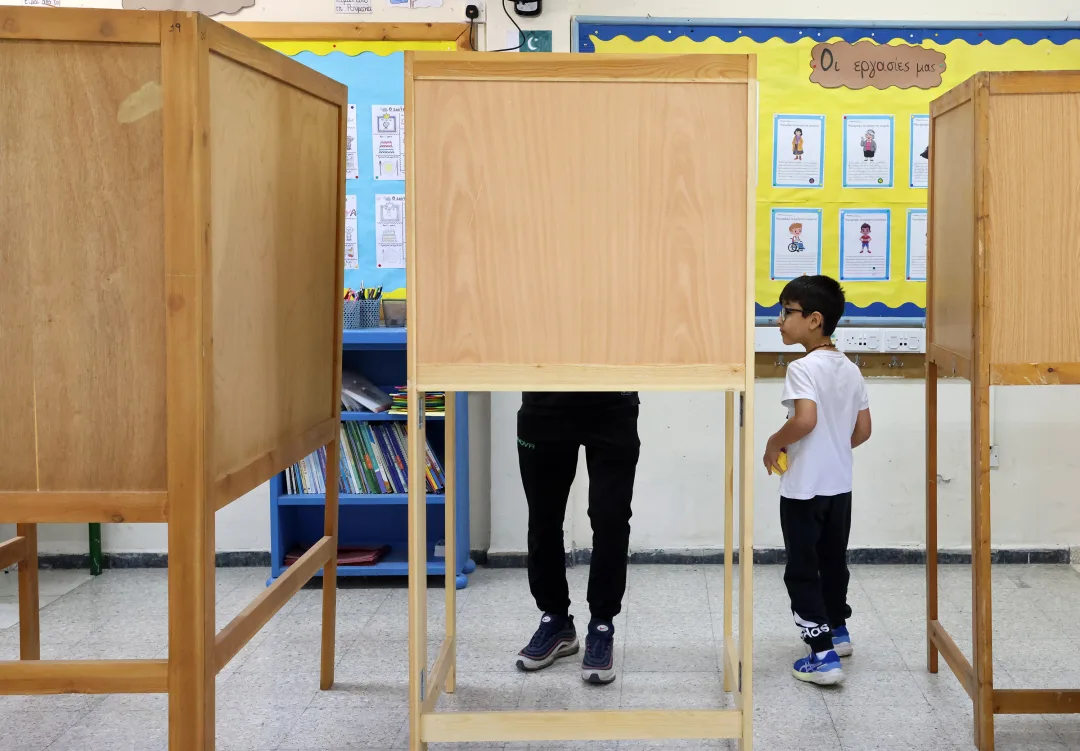
Nicosia, Cyprus. A total of 378,150 people voted in last Sunday’s parliamentary elections, but foreign nationals living in Cyprus remained largely outside the process. The figure represented 66.4 per cent of eligible voters and did not include the island’s non-citizen residents.
Foreign residents and citizenship
According to Eurostat figures, 243,000 non-citizens live in Cyprus, including 144,000 citizens of non-EU countries and the rest EU citizens. Foreign nationals account for 24.8 per cent of the population, the third-highest share in the EU.
If foreign-born residents who have since become Cyprus citizens are included, the proportion rises to 27.6 per cent. However, citizenship remains difficult to obtain, and 94 per cent of legal immigrants do not have it, according to the latest figures. That means they were not among the 378,150 people who voted last week.
Voting rights
EU citizens in Cyprus have limited voting rights and may vote in local and European elections, as required by EU law. Third-country nationals do not have voting rights.
The question of whether voting rights should be extended to some or all foreign nationals has remained politically sensitive. The Cyprus Mail contacted six political parties, including almost all of those in the new parliament, for comment.
Political response
At the time of writing, only one party had responded. Disy said in an email that there is no country anywhere in the world where people vote in parliamentary and presidential elections without being citizens.
That statement is not accurate, although non-citizen voting rights are limited in many countries.
Examples abroad
New Zealand grants full voting rights to permanent residents regardless of citizenship. Uruguay extended the right to any resident of 15 years or more in 1952. In Malawi, anyone resident for seven years can vote in parliamentary elections.