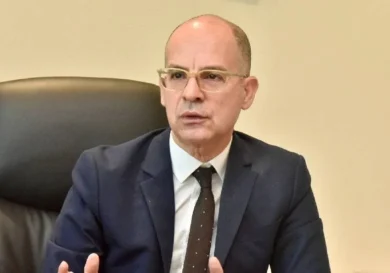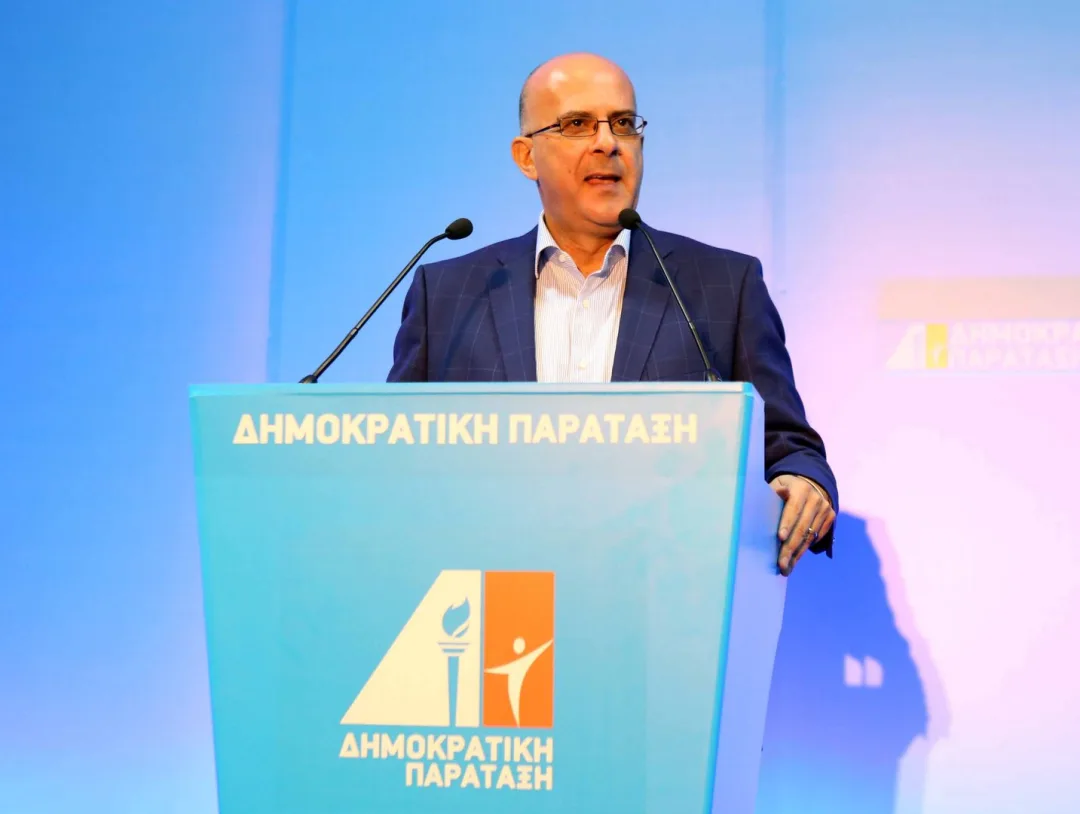
Nicosia, Cyprus. DIPA leader Marios Garoyian said he submitted his resignation after the party’s poor performance in the parliamentary elections, but that the politburo did not accept it. He said the result reflected long-standing internal divisions and other structural difficulties within the party.
Resignation not accepted
Speaking on Ant1, Garoyian said the party had held an initial assessment of the result. He described the outcome as the product of perennial internal schisms and said he had offered his resignation, but it was not accepted.
He added that the prevailing view within the leadership was that responsibility was collective.
Election result and internal difficulties
Garoyian linked the result, in which DIPA secured 3.1 per cent, to structural problems that had not been addressed in time. He also referred to strong candidacies that, he said, were unable to overcome the organisational advantage of larger parties.
While praising the effort of the candidates, he said the pressure exerted by larger and more organised party mechanisms did not allow them to achieve the results they and the party expected, especially in the provinces.
Role of polling and visibility
Garoyian also pointed to external factors, including opinion polling, which he said influenced perceptions during the campaign period. He argued that polling data affected ballot preparation and public visibility and suggested it contributed to excluding smaller parliamentary parties from televised debates.
He questioned how political visibility was allocated during the campaign, saying that public perception had been shaped in a way that reduced the space for smaller formations.
Party resources
On internal affairs, Garoyian said the organisation had relied primarily on its own resources and that DIPA owes nothing to anyone. He said the result reflected the efforts of its members and candidates alone.