Washington, United States. Iran said on Friday it wanted actions rather than words from the United States after sources said President Donald Trump was weighing an initial US-Iranian agreement to extend a ceasefire and open the Strait of Hormuz.
The comments by Iran’s top negotiator, Mohammad Baqer Qalibaf, echoed previous defiant statements from Iran and added to questions over how such an agreement might proceed.
Possible terms
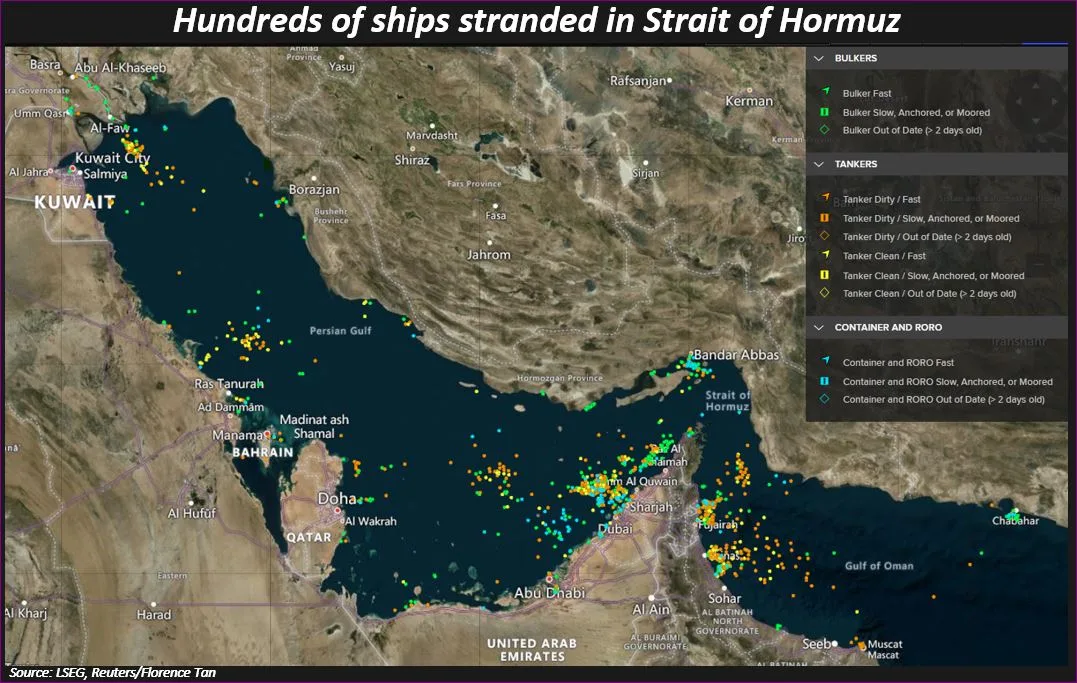
According to four sources familiar with the matter, a deal would extend the truce in place since early April for 60 days and allow oil and gas shipments through the strategic waterway while negotiators address difficult issues including Iran’s nuclear programme.
Trump has not yet approved the deal, the sources said, and Iran’s Tasnim news agency said the text had not been finalized and had changed in recent days.
“We do not trust guarantees and words, only actions are the criterion. No action will be taken before the other side acts,” Qalibaf said in a social media post.
“The winner of any agreement is the one who is better prepared for war the day after.”
Regional fallout
The conflict launched by the US and Israel against Iran on February 28 has killed thousands of people, mainly in Iran and Lebanon, and caused global economic pain by pushing up energy prices due to Iran’s effective closure of the Strait of Hormuz to energy shipments.
Oil futures fell 2 per cent on Friday and were on track for their steepest weekly decline since early April on reports of a potential deal, which, if approved by Trump and leaders in Iran, would be the war’s biggest step towards peace.
Diplomatic talks
The foreign minister of mediator Pakistan, Ishaq Dar, arrived in Washington on Friday for talks with US Secretary of State Marco Rubio that were expected to include the latest developments in the negotiations.
The sources said on Thursday that a deal would specify unrestricted shipping through the strait and would require the US to also lift its blockade of Iranian ports. The US would also lift some sanctions on Iranian oil sales.