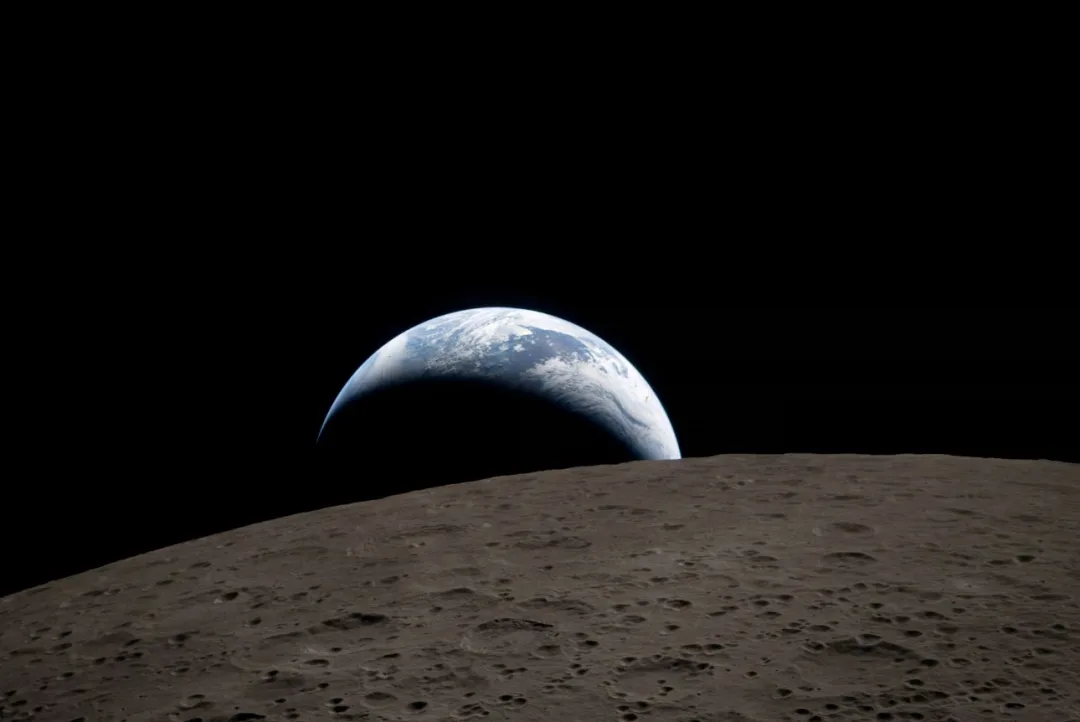
Houston, United States. Two NASA photography instructors who trained Artemis II astronauts to photograph the moon and Earth during the mission’s lunar flyby said they were impressed by the images captured. They said the crew received about 20 hours of specialized instruction ahead of the April 1 launch.
Trainers and mission preparations
NASA photography and video trainers Paul Reichert and Katrina Willoughby said their training helped prepare the crew for capturing scientifically useful imagery. Willoughby and Reichert are graduates of the Rochester Institute of Technology’s photographic sciences program.
Willoughby said on RIT’s news site that while many people can take photos that are “good enough,” the goal in this case was a higher standard for scientific purposes.
Practice drills inside an Orion capsule mock-up
Mission pilot Victor Glover said the training included on-the-ground drills in which astronauts practiced taking pictures from inside a mock-up of the Orion capsule, using a giant inflatable moon globe suspended in the dark.
Camera selection and performance in space
Reichert said selecting the right equipment was important. The Nikon D5 (7731.T), a digital single-lens reflex camera released in 2016, was the primary camera used by the crew.
Reichert said the D5, which has been used for years on the International Space Station, had demonstrated it could withstand radiation and other extremes of space travel. “We had a lot of flight experience with it,” Reichert told Reuters in Houston on Tuesday. “We knew it could handle radiation, at least several years of radiation dosage on the ISS, and it didn’t have any problems with it.”
Reichert also cited the D5’s low-light performance as an advantage for photographing in space.
Use of an iPhone and transmission constraints
Willoughby said Apple’s (AAPL.O) iPhone 17 Pro Max was a late addition to the Artemis equipment list. She said the phones were useful as handheld point-and-shoot devices, but the large digital file sizes of the images created a transmission challenge.
What do you think is the most important factor in capturing scientifically useful images during spaceflight?