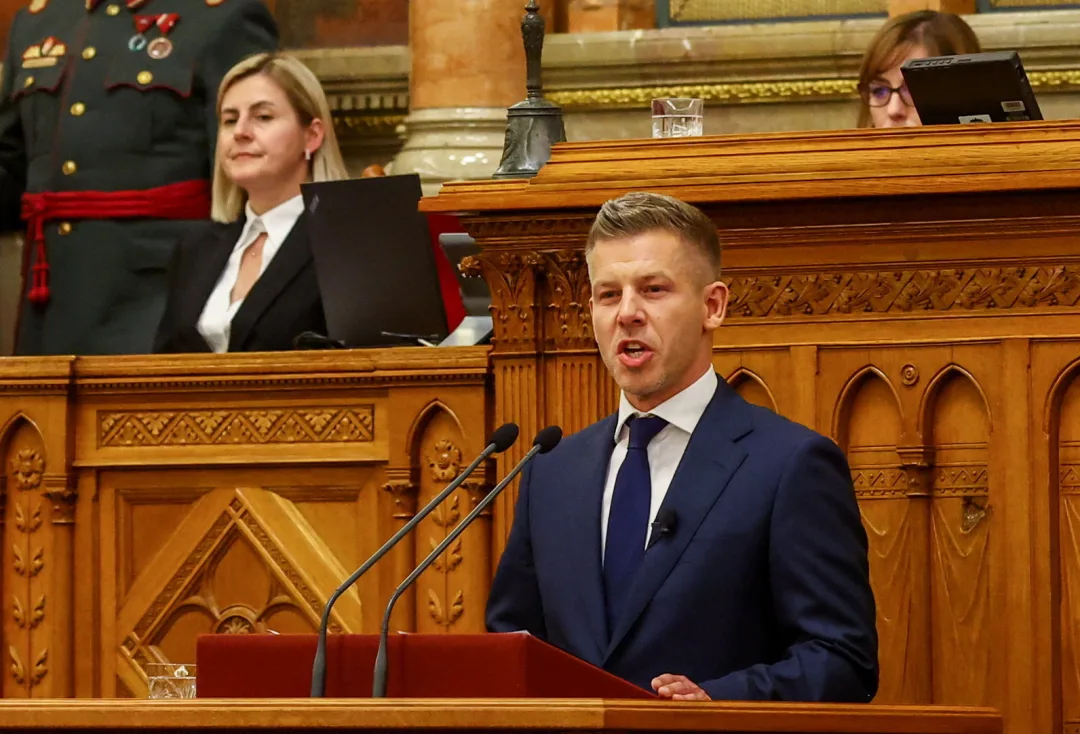
Budapest, Hungary. Centre-right leader Peter Magyar was sworn in as Hungary’s prime minister on Saturday after an election landslide that ended Viktor Orban’s 16 years in power. Magyar took office on promises of change amid economic stagnation and strained relations with key allies.
Election outcome and mandate
Magyar defeated nationalist Orban in an April 12 election, giving his Tisza party a constitutional majority. The majority would allow Magyar to roll back reforms that critics say weakened democracy.
In remarks after taking office, Magyar said: “Hungarian people have given us a mandate to put an end to decades of drifting.” He added that voters had given his party a mandate “to open a new chapter in Hungary’s history” and “to change the system as well.”
Market reaction and economic pressures
Foreign investors and Hungarians have welcomed Magyar’s victory, with the forint hitting four-year highs against the euro and bond yields falling. Post-election polls showed more voters backing Tisza.
Magyar faces pressure to secure billions of euros in suspended European Union funding to support the economy and public finances. He inherits an economy that only just emerged from stagnation in the first quarter and faces headwinds from surging energy costs linked to the Middle East conflict.
Data released on Friday showed Hungary’s budget deficit had reached 71 per cent of the full-year target by April, driven by Orban’s pre-election spending. Magyar has said the deficit could approach 7 per cent of output this year.
Foreign policy and media plans
Magyar has pledged to reaffirm Hungary’s Western orientation. Under Orban, the Nato member had been seen as drifting towards the Kremlin, with Orban opposing EU efforts to support Ukraine against Russia’s invasion.
Magyar has also said he would suspend public media news broadcasts after taking power, accusing state media and pro-Orban outlets of helping Orban maintain his hold on power while giving limited airtime to critics.
What changes do you expect from Hungary’s new government in its relations with the European Union?