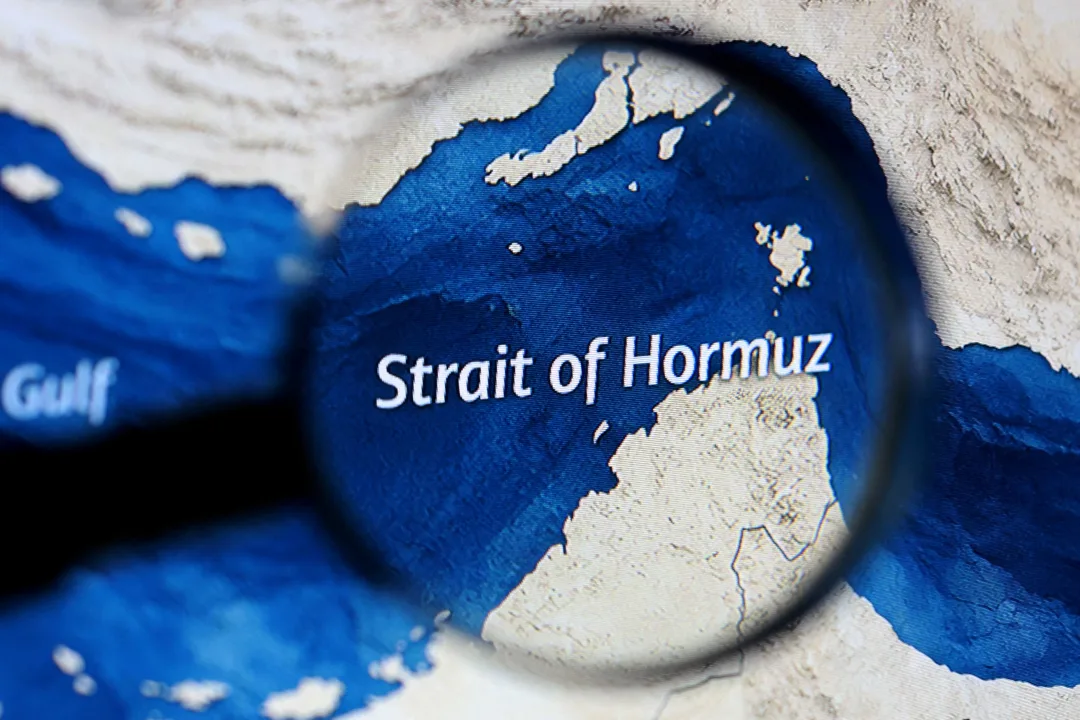
Washington, United States. International shipping continues to face heightened risk across key sea lanes as renewed Houthi threats in the Red Sea, continued uncertainty in the Strait of Hormuz and the return of Somali piracy increase pressure on crews and global supply chains.
According to the latest EOS Intelligence assessment, cited by newmoney, the situation remains particularly fragile in both the Red Sea and the Strait of Hormuz despite diplomatic efforts between the United States and Iran to ease tensions.
Red Sea risks remain elevated
EOS Intelligence said challenges to merchant shipping are expected to continue, with the safety of seafarers and the smooth operation of global supply chains still dependent on stability in two of the world’s most sensitive maritime corridors.
The Red Sea remains a main area of concern after the Houthis expanded the range of vessels they consider legitimate targets. Ships with links to Israel, whether through flag, ownership, shareholding or business activity, are considered exposed to potential attack when transiting the area, while vessels connected to American interests are also seen as facing increased risk.
Reuters reported that Yemen’s Iran-aligned Houthis said on June 8 that they would ban Israeli maritime navigation in the Red Sea, adding further pressure to a corridor vital for trade between Asia, Europe and the Mediterranean.
Although the announcement did not amount to a ban on all commercial shipping, Reuters said it was directed at vessels assessed by the Houthis as Israeli-affiliated. Maritime risk analysts warned that the broad wording of the threat could increase the danger of misidentification.
One shipping source told Reuters that the announcement would cause “every ship to think carefully about the wisdom of making a transit,” noting that the Houthis had previously targeted vessels with no direct link to Israel.
Hormuz uncertainty continues
Attention remains focused on the Strait of Hormuz, through which a major share of global energy supplies passes. Although the agreement between Washington and Tehran has raised hopes that traffic through the waterway can gradually return to normal, maritime bodies and major operators remain cautious.
According to Reuters, Iran’s official IRNA news agency said the two sides would end naval blockades in the region, while Tehran would help return marine traffic in the Gulf and Gulf of Oman to pre-war levels.
However, the shipping industry has made clear that de-escalation on paper does not immediately translate into safe passage at sea.