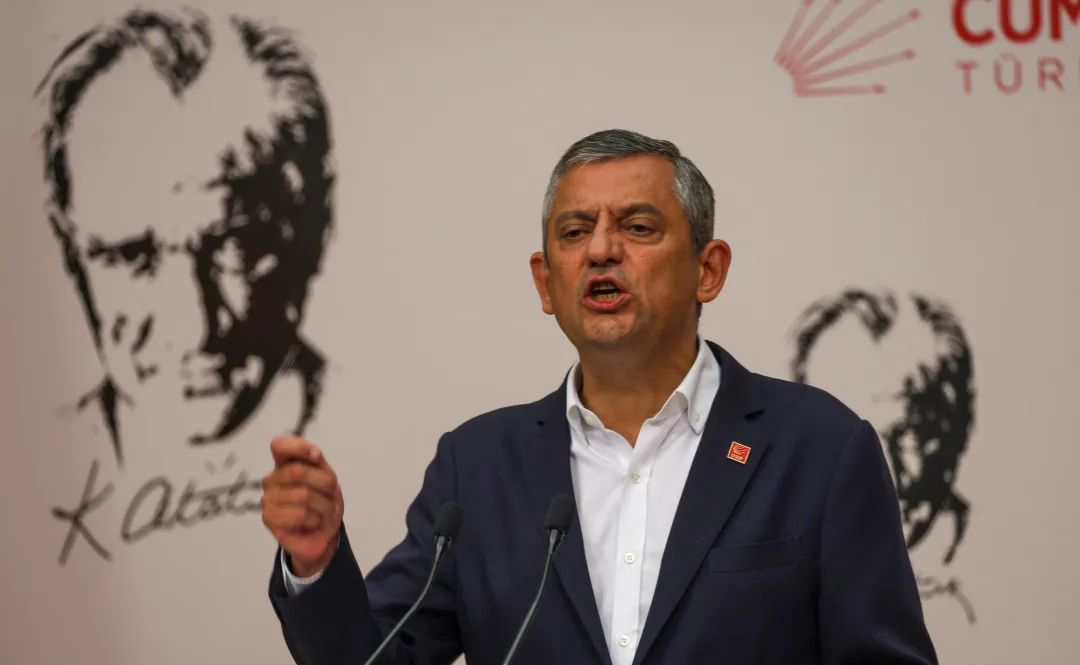
Ankara, Turkey. Turkey’s political opposition on Friday rejected a court ruling that annulled the main opposition CHP’s 2023 congress and reinstated its former leader, deepening a political crisis. The CHP said it would challenge the decision through legal appeals and pledged to remain at its headquarters in Ankara.
Court ruling targets CHP leadership and congress
An appeals court cited unspecified irregularities in the Republican People’s Party’s 2023 congress and reinstated former chairman Kemal Kilicdaroglu in place of current leader Ozgur Ozel. Kilicdaroglu lost to President Tayyip Erdogan in elections earlier in 2023.
The CHP condemned the ruling as a “judicial coup,” and Ozel said he would fight it through legal appeals and personally remain “day and night” at the party’s headquarters in Ankara.
Political implications and reactions
The case was seen as a test of Turkey’s balance between democracy and autocracy. Critics said the ruling aimed to prolong Erdogan’s 23-year rule, and it could rekindle anti-Erdogan protests.
The ruling could also spur opposition infighting that may boost Erdogan’s chances of extending his rule in Turkey, a NATO member and emerging market economy.
Smaller opposition parties criticized the decision as anti-democratic. Devlet Bahceli, a nationalist leader and key ally of Erdogan, suggested the judiciary should not intervene in internal party matters.
Market response and government comments
Turkish assets sold off as the political crisis escalated, and the lira touched a record low. The central bank sold billions of dollars in foreign reserves to maintain stability.
Vice President Cevdet Yilmaz, speaking in Istanbul on Friday, dismissed what he called “daily developments” in markets and said Turkey would continue to decisively implement its economic programme.
Experts cite unprecedented legal and political shift
Berk Esen, a political scientist at Sabanci University, said the court move marked an unprecedented development in Turkey’s administrative law and political history. He said that if upheld it would open the door for courts to determine party leadership, with no comparable example in Turkey’s electoral system since 1946.
Broader legal pressure on CHP
The CHP, founded by modern Turkey’s founder Mustafa Kemal Ataturk, has also faced an intensified legal crackdown since 2024, with hundreds of members and elected officials detained on corruption and other charges that the party denies.
Among those jailed is Istanbul Mayor Ekrem Imamoglu, described as Erdogan’s main rival and the CHP’s presidential candidate for an election due in 2028, though it is expected to come earlier.
How do you think the court ruling will affect the CHP’s ability to campaign ahead of the next election?