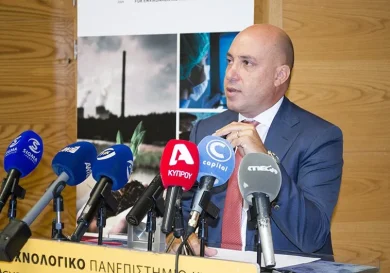
Nicosia, Cyprus. Nearly 93 per cent of young people in Cyprus have encountered gambling-related content on social media, with Instagram identified as the main source, according to survey findings presented by the National Betting Authority. The study found that respondents were exposed to such content an average of 4.45 times per month over the past year, while 7 per cent reported seeing none.
Survey findings
The survey was conducted by University of Nicosia on behalf of the authority in February and March 2026, based on a nationwide sample of 1,000 people aged between 18 and 35.
Instagram was used by 95 per cent of respondents and accounted for 93 per cent of the gambling-related content viewed. Facebook and TikTok followed, with usage rates of 82 per cent and 68 per cent respectively.
Types of content seen
Paid advertisements from betting companies and online casinos were the most common form of content, seen by 89 per cent of respondents, while 77 per cent had encountered posts by influencers promoting gambling.
Meanwhile, 41 per cent had seen promotions involving bonuses, offers or free bets, while 36 per cent had encountered posts from friends publicising gambling winnings.
Role of platform algorithms
The authority said exposure was largely driven by platform algorithms rather than active engagement, as most respondents did not follow betting companies or register on gambling websites after viewing the material.
Regulatory concerns
The distinction between licensed betting and other forms of online gambling is particularly important in Cyprus. The authority has previously warned of a sharp rise in social media advertisements for illegal casinos, whose operation remains strictly prohibited in the Republic.
European context
The level of exposure recorded in Cyprus reflects a wider European concern, although differences in age groups and survey methods mean that direct comparisons must be treated cautiously.
The latest ESPAD report surveyed more than 113,000 students aged 15 and 16 across 37 European countries. It found that 23 per cent had gambled for money during the previous 12 months, while 14 per cent had participated in online gambling.