AfD Reworks Its Europe Policy as Its Chances of Entering Government Grow
Germany's far-right Alternative for Germany is revising its approach to the EU as it and allied parties abroad gain influence, and the party appears nearer to federal power than before.
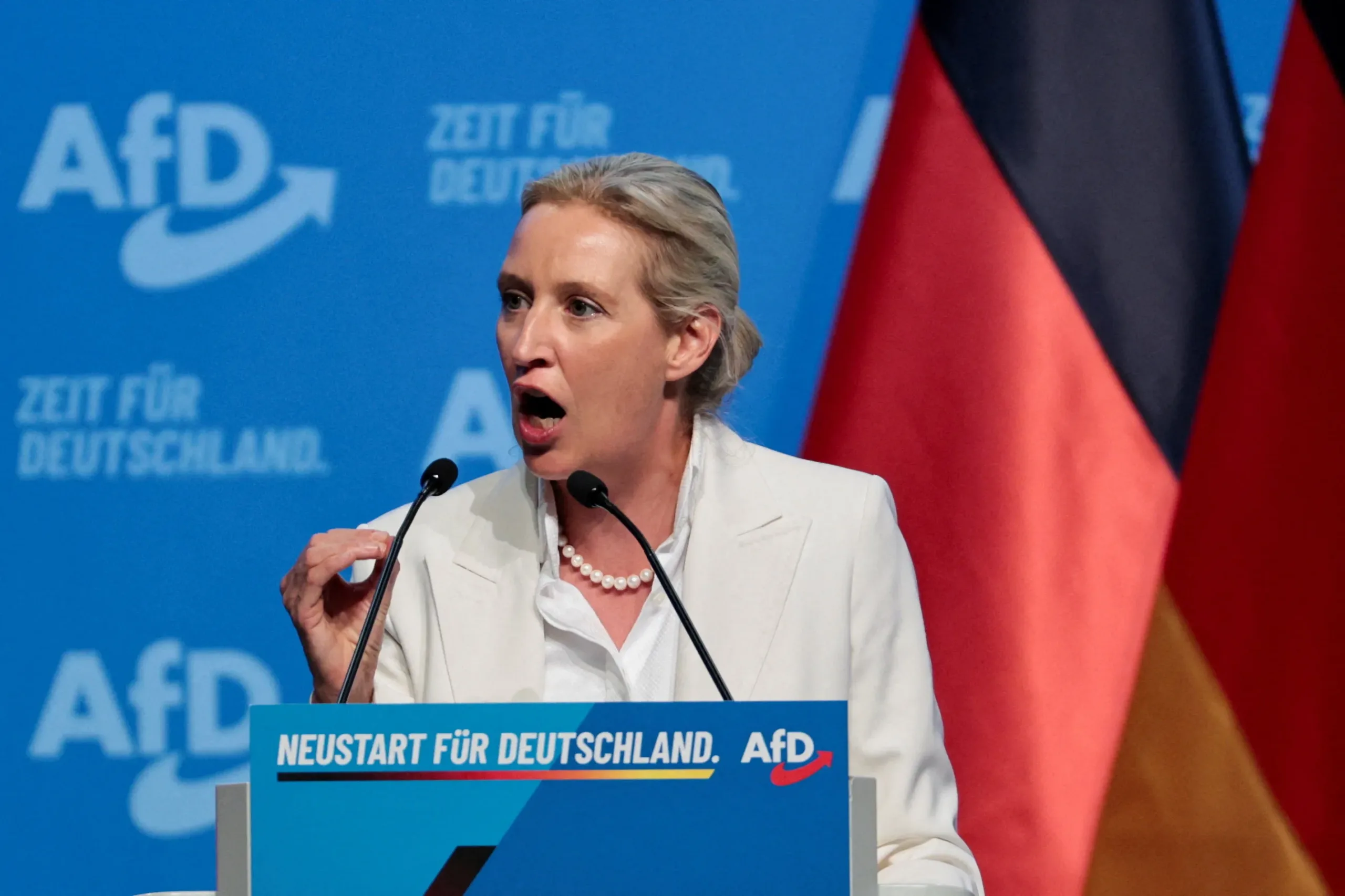
Berlin, Germany. The far-right Alternative for Germany (AfD), created in 2013 to oppose the EU’s response to the euro crisis, is adjusting its vision for Europe as its own influence and that of allied right-wing parties abroad increase. After a historic win in the Saxony-Anhalt regional election in September, the party, which leads national opinion polls, seems closer than ever to joining a federal government before the decade ends.
A debate over identity and credibility
The prospect has triggered discussion within the party about how to keep its anti-establishment character while presenting itself as a credible partner to possible allies in Germany and elsewhere.
Related: Polish President Nawrocki Turns Plane Back as Police Enter Constitutional Tribunal
 RelatedPolish President Nawrocki Turns Plane Back as Police Enter Constitutional Tribunal
From euro opposition to immigration
The AfD emerged amid public anger over rescue payments to euro-area countries carrying large debts, and it started out as a movement against the single currency. It later extended its criticism to the European Union as a whole, but it won support chiefly through its stance against immigration. Opponents and the domestic intelligence agency say this stance comes dangerously near to the supremacism and xenophobia that marked Germany’s recent past. The AfD denies that it is extremist.
Reform from within
Many members now argue that wider acceptance of more radical right-wing views, together with the growing weight of like-minded parties elsewhere in Europe, makes changing the bloc from the inside more productive than leaving it. AfD national lawmaker Sebastian Muenzenmaier said: “Never since the end of the Second World War have the prospects for reforming the EU in line with our vision been better.”
The unresolved question of the euro
The goal of leaving the euro, which was important to many of the party’s founders and early backers, has proved more difficult to deal with. Younger members, among them 29-year-old Jean-Pascal Hohm, who heads the youth wing Generation Deutschland, say that uncompromising positions on Europe could undermine the party’s most realistic path to national power. That path is eventual cooperation with the Christian Democrats (CDU) of Chancellor Friedrich Merz, who currently exclude any alliance with the AfD.
Strategy paper in Strasbourg
Last month, AfD co-leader Alice Weidel presented a strategy paper entitled “New Deal for Europe” at the European Parliament in Strasbourg. She did so together with allies from the Europe of Sovereign Nations (ESN) grouping.
Related news




This news item was generated automatically by Cyprus Inform from publicly available materials. Report an error →
Write a comment