Britain records hottest summer since records began, Met Office says
Provisional Met Office data showed Britain’s hottest summer on record, with climate change making such conditions far more likely.
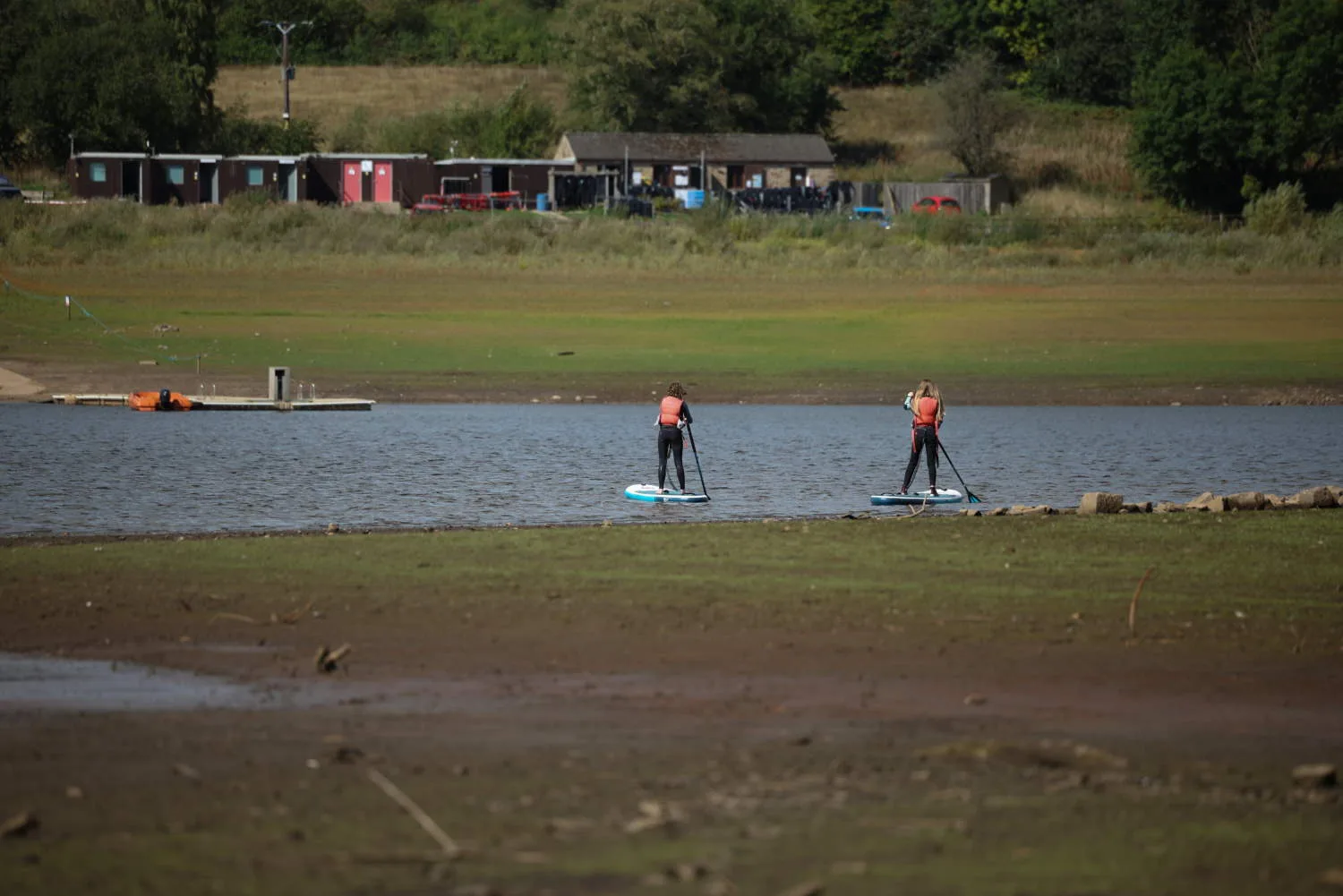
London, United Kingdom. Britain recorded its hottest summer since records began, according to provisional Met Office statistics published on Tuesday, following intense heat and drought that tested infrastructure, food production and wildfire-fighting capacity.
The Met Office said the country experienced record warmth for the second consecutive summer, with records dating back to 1884.
Record temperatures
Britain’s average mean temperature for the summer was 16.5 degrees Celsius, or 61.7 degrees Fahrenheit, the Met Office said on the first day of meteorological autumn.
The country’s five warmest summers have all been recorded since 2003. The agency said human-caused climate change had greatly increased the likelihood of extreme weather.
Climate attribution
Mark McCarthy, the Met Office’s head of climate attribution, said the summer’s temperatures had been made around 130 times more likely by human-induced climate change.
In a climate without human-generated greenhouse gases, the UK would experience a summer like 2026 roughly once every 1,000 years, he said. In the current climate, altered by fossil fuel burning, such an event should be expected roughly once every nine years, according to McCarthy.
Effects of heat and drought
While mainland Europe has experienced even higher temperatures, with heatwaves claiming hundreds of lives, disrupting power supplies and closing schools, Britain has faced comparatively milder consequences.
However, drought has been declared across much of the country. Britain has also experienced an unprecedented number of wildfires, with some destroying homes.
Heat and drought have affected farming, and Britain’s cereal harvest is on track to be the worst since comparable records began in 1984. The Met Office said in July that extreme weather was becoming increasingly normal.
This news item was generated automatically by Cyprus Inform from publicly available materials. Report an error →