Christine Lagarde resigns as ECB president, to leave office on February 7
The European Central Bank president is stepping down early, as Europe faces economic volatility and tense elections, and her departure has drawn both criticism and praise.
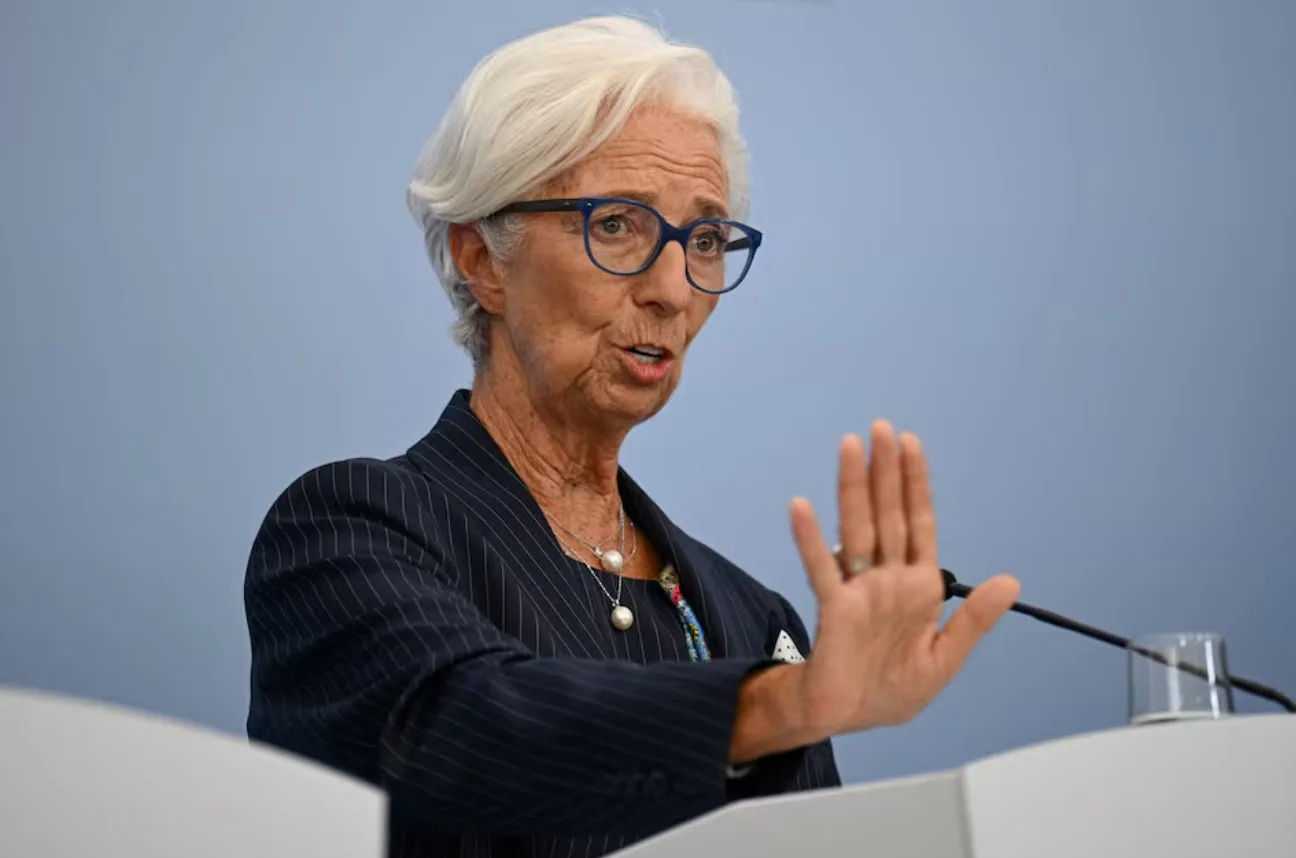
Frankfurt, Germany. Christine Lagarde has announced her resignation as president of the European Central Bank, effective February 7, ending months of speculation about her future. Her term was originally due to run out next October.
Timing and context
Lagarde’s exit leaves European Union leaders time to choose a successor ahead of the French presidential election. Polls indicate that far-right candidate Marine Le Pen is favoured to win that vote.
The announcement comes while the ECB is dealing with inflation risks stemming from an oil shock linked to the war involving Iran. A steep increase in bond yields, particularly in France, also threatens to weigh on growth.
Lagarde, 70, announced the decision in a brief video on social media. “I leave this institution with a sense of good work done and an ECB that is fit for the future,” she said.
Reported motive and earlier remarks
A source with direct knowledge of the matter said Lagarde, who previously served as French finance minister and headed the International Monetary Fund, resigned so that she could comment on political issues in France and internationally. As head of the ECB, she was expected to stay neutral in order to protect the bank’s independence.
Just three months ago, Lagarde rejected talk of leaving early. At the time she said she could not depart while inflation threats were building on the horizon.
Reactions
Jean-Philippe Tanguy, who is responsible for drafting economic policy for Le Pen’s election manifesto, told Reuters that the move demonstrated contempt for the rule of law. He said he had anticipated it and described it as another insult aimed at his side and as lamentable.
Markus Ferber, a German member of the European parliament from the centre-right European People’s Party, said the early resignation sent the wrong signal given high inflation, jittery bond markets and upcoming elections. Ferber sits on the parliamentary committee that will confirm Lagarde’s successor. “If the impression arises that such a departure is timed around national elections, it damages trust in an institution that must stand above any domestic political calculation,” he said.
Marcel Fratzscher, president of the German think-tank DIW, took the opposite view. He said Lagarde was displaying a strong sense of responsibility towards Europe.
This news item was generated automatically by Cyprus Inform from publicly available materials. Report an error →