Cyprus among EU economies most reliant on sea transport
In 2024, ships carried 98.6% of Cyprus’ imports and 97.2% of its exports by weight, while maritime transport remained the EU’s main mode for international goods trade in 2025.
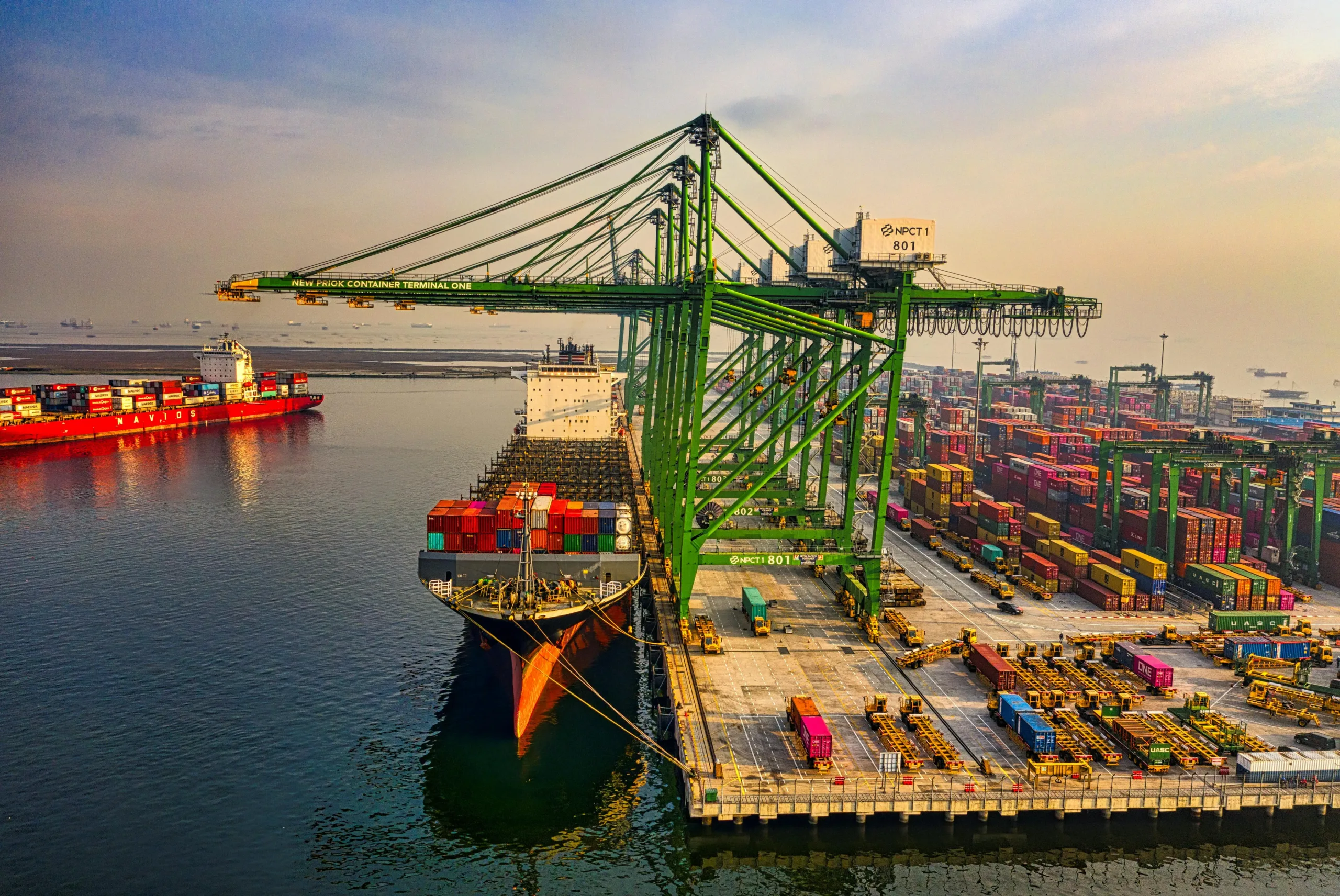
Nicosia, Cyprus. Cyprus remained among the EU economies most dependent on sea transport in 2024, with ships carrying 98.6% of its imports and 97.2% of its exports by weight. Maritime transport also remained the main mode for the EU’s international trade in goods in 2025, according to Eurostat data.
Cyprus freight
Maritime transport accounted for 96.3% of freight activity in Cyprus in 2024, measured in tonne-kilometres. That was the third-highest share in the EU, after Portugal and Greece. The reliance on sea transport reflects Cyprus’ island geography and the scale of its shipping sector.
EU trade by sea
In 2025, the EU imported 1.1 billion tonnes of goods from non-EU countries by sea, valued at €1,270 billion. Seaborne exports totalled 0.5 billion tonnes, worth €1,069 billion.
By weight, maritime transport accounted for 73.3% of EU imports and 72.6% of exports. Its shares by value were lower, at 50.2% of imports and 40.4% of exports, reflecting the higher value of goods transported by air and road.
Other transport modes
Air transport carried 0.3% of imports and 2.9% of exports by weight, but accounted for 20.7% of import value and 29.1% of export value.
Road transport accounted for 6% of imports and 17.4% of exports by weight, compared with 19.5% and 24.9% respectively by value. Rail carried 2.6% of imports and 2.9% of exports by weight, representing 1.2% and 1.3% respectively by value.
This news item was generated automatically by Cyprus Inform from publicly available materials. Report an error →