Cyprus commits €13.5 million to ESA programmes for 2026–2028
Cyprus has committed €13.5 million to European Space Agency programmes to strengthen its space industry, support technology businesses and expand its role in Europe’s space economy.
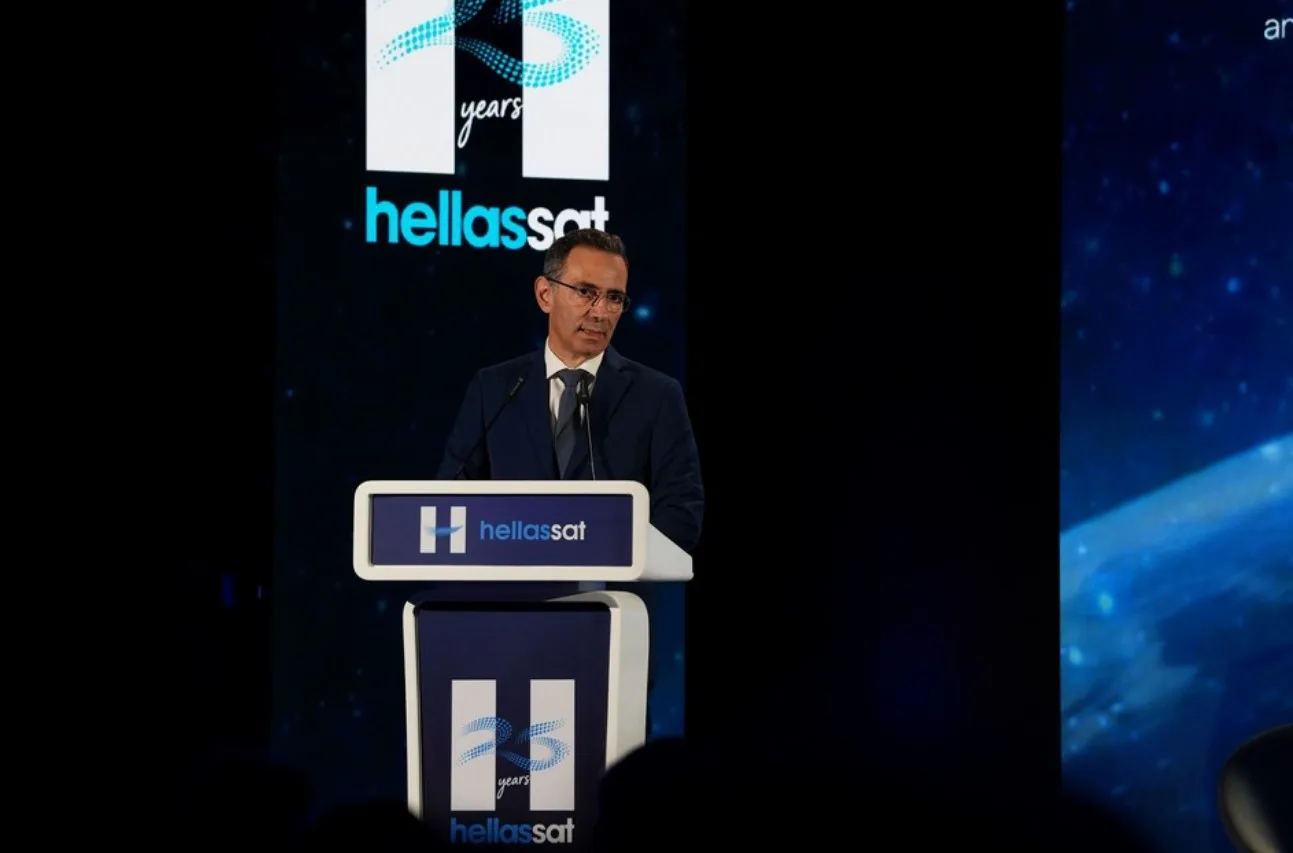
Athens, Greece. Cyprus has committed €13.5 million to European Space Agency (ESA) programmes for 2026 to 2028 to strengthen its domestic space industry, support technology businesses and expand its role in Europe’s growing space economy. Research, Innovation and Digital Policy Deputy Minister Nicodemos Damianou announced the commitment while addressing the third Space Symposium in Athens on Thursday.
Strategy and industry support
Damianou said Cyprus was developing its space capabilities through investment, regulation, research and international partnerships.
The country has adopted a National Space Strategy for 2025 to 2030, introduced legislation for licensing and supervising space activities, and established the Cyprus Space Office to coordinate national efforts.
Cyprus became an associate member of ESA in March 2026, opening further opportunities for Cypriot organisations to participate in research, technological development and innovation programmes.
Supporting startups and helping businesses scale up is another priority, Damianou said. He highlighted state support for the first dedicated Space Business Incubation Centre at the ERATOSTHENES Centre of Excellence.
Space economy forecasts
Damianou cited estimates from the World Economic Forum and McKinsey that the global space economy could reach $1.8 trillion by 2035.
Earth observation revenues are projected to rise from €3.5 billion in 2024 to almost €8 billion by 2034. According to the European Union Agency for the Space Programme, revenues from satellite navigation devices and services are expected to increase from €300 billion to around €580 billion over the same period.
Satellites and ground infrastructure
Damianou said Cyprus had four satellites of European interest in orbit using Cypriot satellite resources, alongside two main ground stations operated through Cyta and Hellas Sat telecommunications facilities.
The country also hosts one of Europe’s four receiving stations for the Galileo satellite navigation system’s search and rescue service.
Two further ground stations support the European Geostationary Navigation Overlay Service (EGNOS), which improves accuracy and safety in air, sea and land transport.
The ERATOSTHENES centre operates a ground station capable of receiving near-real-time Earth observation data through the Copernicus Collaborative Ground Segment. Discussions are under way on cooperation with Greece to use data from its national microsatellite programme.
This news item was generated automatically by Cyprus Inform from publicly available materials. Report an error →