Cyprus Real Estate Agents Registration Council Head Warns of Dangerous Buildings Across Cyprus
Marinos Kineyirou urges the government and local authorities to act on derelict, unsafe and heritage buildings that endanger the public, lower property values and slow urban regeneration.
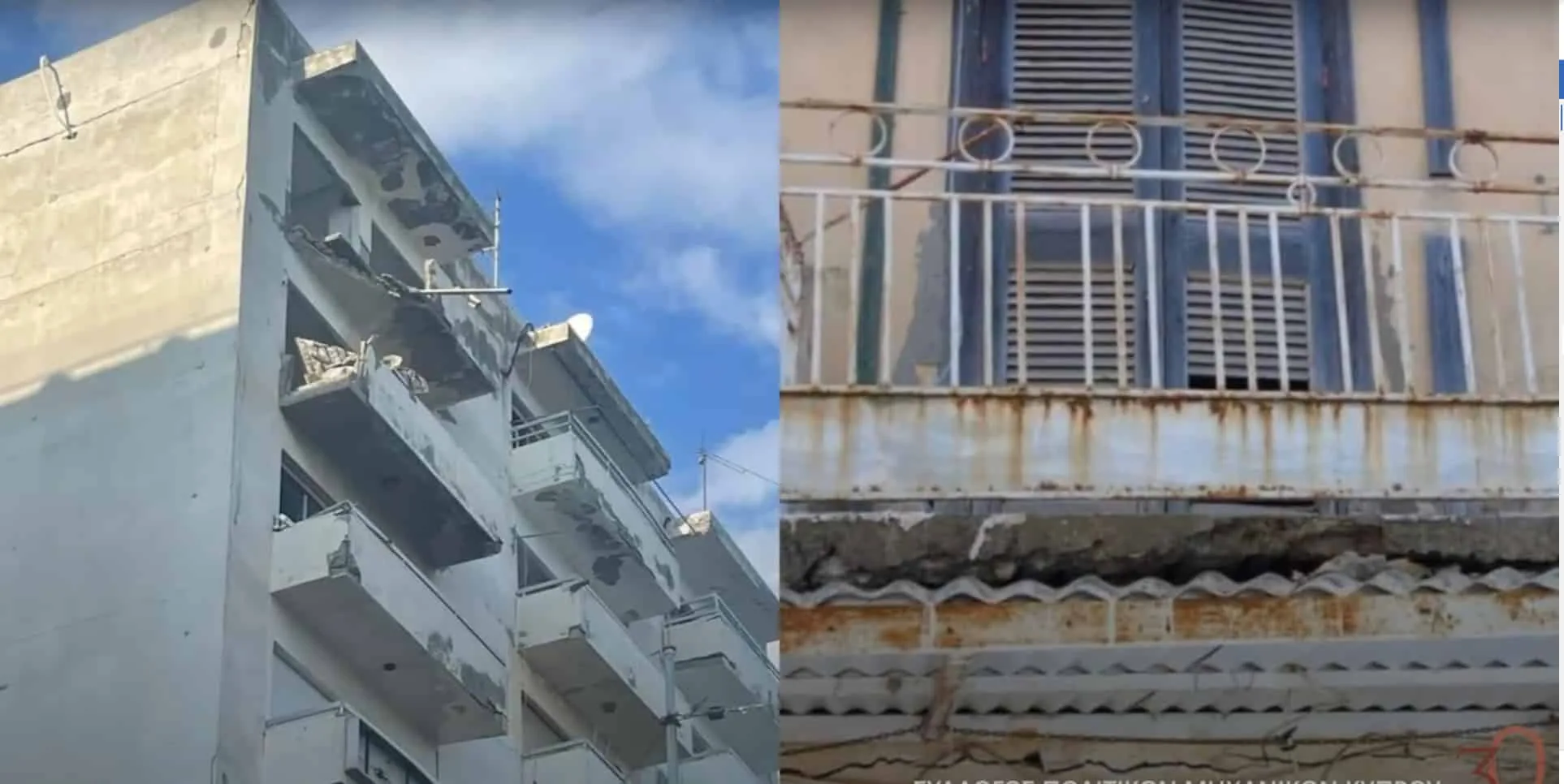
Nicosia, Cyprus. Marinos Kineyirou, president of the Cyprus Real Estate Agents Registration Council, has called on the government and local authorities to deal with dangerous buildings before more tragedies happen. He said derelict, unsafe and heritage structures around the country put public safety at risk, reduce property values and hinder urban regeneration.
Three categories of buildings
Kineyirou identified three categories of hazardous buildings, each needing a different response. He warned that weak oversight, owners who neglect upkeep and slow restoration procedures are letting the problem continue.
Related: Cabinet approves simplified regulations for issuing building permits
 RelatedCabinet approves simplified regulations for issuing building permits
He said he follows the situation with great concern and anxiety. In his view, public safety must come before aesthetic considerations and the visual pollution affecting towns and villages.
A call for prevention
Kineyirou said that on such a significant issue, “we cannot afford to act like Epimetheus”. He was referring to the figure from Greek mythology who realises a mistake only once the damage is done.
He argued that society must be protected through forward planning and preventive measures before disaster strikes, instead of searching for solutions and culprits when it is too late. He cited the fatal building collapse in Limassol as an example of the consequences of failing to act in time.
Abandoned private properties
Drawing on his experience of the property market, Kineyirou said the first category covers abandoned private buildings. Their owners have not decided whether to use, sell or redevelop them, so the properties keep deteriorating.
He described the lack of meaningful oversight as the most worrying aspect. Action by the competent authorities, he said, often amounts to little more than fixing a notice to a building to declare it dangerous. “A sign, however, does not prevent a collapse or protect passers-by,” he said.
Risk for residents and visitors
Such buildings exist even in central urban areas used by residents and tourists, and in communities that draw large numbers of visitors. Kineyirou singled out tourists as especially vulnerable, since people visiting a foreign country are unlikely to know the local risks or to notice warnings about unsafe buildings.
Related news
This news item was generated automatically by Cyprus Inform from publicly available materials. Report an error →
Write a comment