Cyprus weighs how closer Western alignment can deliver lasting influence
Cyprus has expanded its security role and Western partnerships, but faces questions over turning access and geographic importance into durable influence.
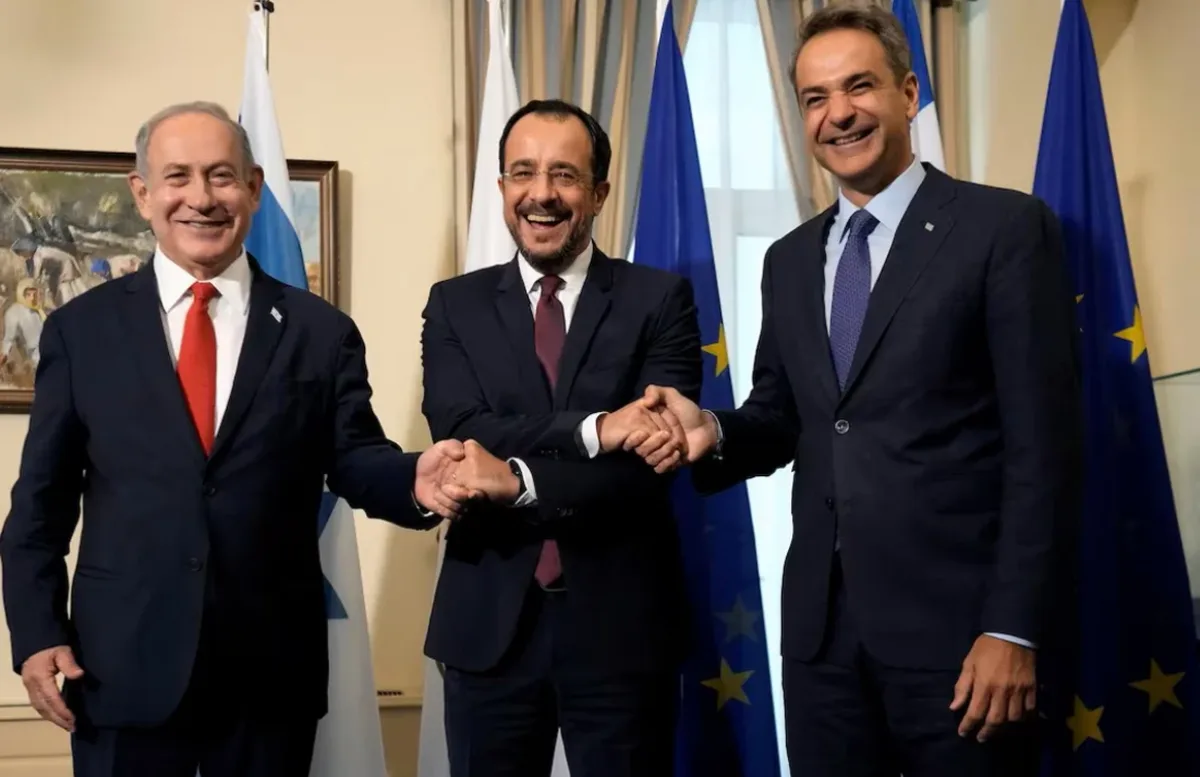
Nicosia, Cyprus. Cyprus has strengthened its security ties with Western partners in recent years, including through the lifting of the US arms embargo in 2022, the CYCLOPS training centre and regional humanitarian operations.
The country’s next challenge is to convert this alignment, access and geographic role into lasting influence while maintaining its autonomy.
Security role and regional operations
The US arms embargo on Cyprus, in place since 1987, was lifted in 2022. The CYCLOPS training centre, funded by the US State Department, has positioned Cyprus as a regional security provider.
Paphos air base and the Evangelos Florakis naval base have been modernised and used. Under Operation Amalthea, Larnaca became the anchor for a maritime aid corridor to Gaza, while the Estia Plan made Cyprus an evacuation hub for people leaving Lebanon, Gaza and Sudan.
Access and influence
Cyprus is regarded as a Western-anchored actor, but access to summits, liaison arrangements and funded facilities does not automatically create influence.
Small states can turn access into influence when they offer larger partners assets that cannot easily be obtained elsewhere. Cyprus’s location was significant during the Gaza aid operation and evacuations from the region, though geographic advantages may provide less leverage once crises end.
A recent analysis on Cyprus’s position between agency and alignment identified the need to convert closer alignment into durable influence without sacrificing autonomy.
Greece-Cyprus-Israel cooperation
The Greece-Cyprus-Israel format began as energy coordination following the Leviathan and Aphrodite discoveries in the early 2010s. It developed into regular leaders’ summits from 2016 and gained a US dimension through the 3+1 arrangement in 2019.
The format has faced continued contestation. Turkey’s 2019 maritime memorandum with Libya created a competing legal claim affecting Greek and Cypriot positions. The Oruç Reis survey in 2020, together with drilling activity by the Yavuz and Fatih vessels, increased operational pressure without escalating to a level that would require a Western response.
Turkey’s Mavi Vatan doctrine provides the framework for these actions. The result has been continuing contestation that has limited the consolidation of the trilateral framework.
EU Council presidency
Cyprus held the rotating presidency of the Council of the EU during the first half of 2026. The presidency enabled Nicosia to set agendas, broker compromises and manage other member states’ priorities, but the formal role ended when the presidency passed on.
Its longer-term value depends on working relationships developed with officials, the ability to demonstrate competence on issues beyond Cyprus’s own disputes, and being consulted early on relevant files.
This news item was generated automatically by Cyprus Inform from publicly available materials. Report an error →