Data commissioner sets GDPR conditions for municipal CCTV installations
Municipalities may install public surveillance cameras for safety purposes if they complete GDPR impact assessments and meet legal safeguards.
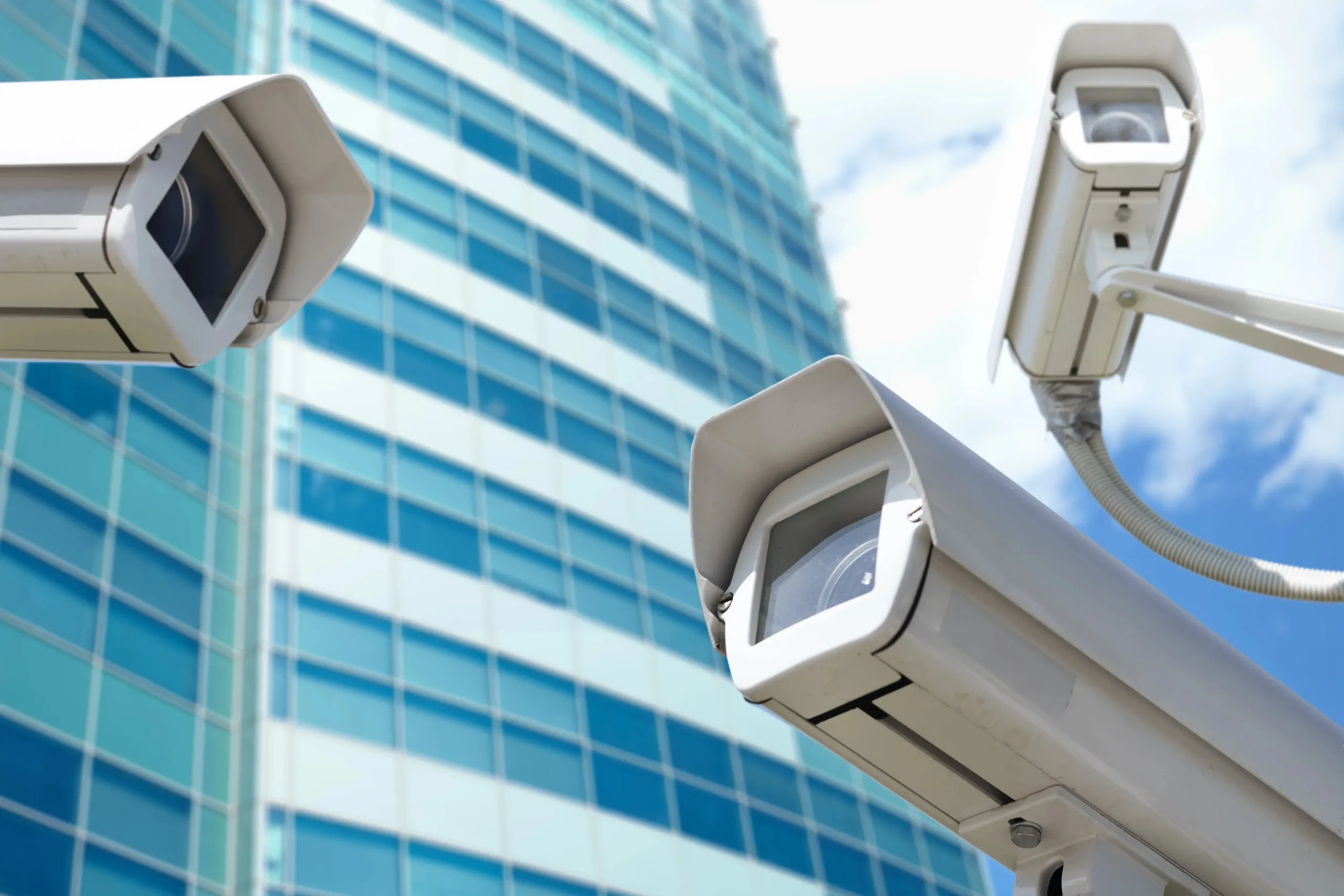
Nicosia, Cyprus. Municipalities may install security cameras in public places for safety and protection, but must first complete a General Data Protection Regulation impact assessment and submit it to the data protection authority, Commissioner Maria Christofidou said on Monday.
GDPR requirements
Christofidou said surveillance cameras and CCTV systems could be used to prevent vandalism and fires and reduce environmental risks, provided their use complies with the GDPR and national legislation.
She said cameras should be used as a last resort and recording should be limited to what is absolutely necessary.
Authorities must specify how long footage will be retained, who will have access to it and what security measures will be applied in each case. The public must also be informed about the cameras and the processing of personal data.
Impact assessments under review
Christofidou said her office had already received GDPR impact assessments from municipal authorities and was evaluating them.
She said personal data protection was not an obstacle to installing CCTV systems, but the process must comply with the law and take account of people’s fundamental rights.
Paphos call for faster installation
On Sunday, Paphos acting mayor Angelos Onisiforou called for the accelerated installation of surveillance cameras in parks and other public spaces following repeated vandalism and damage to municipal property.
In a statement, Onisiforou said protecting public property and improving safety in the city’s public spaces had become a priority. Where the existing legal framework permits surveillance cameras, the installation process should begin immediately, he said.
Related news


This article was prepared with the help of AI based on public sources. Report an error →
Write a comment