EU Circular Economy Act expected to strengthen recycled materials market by 2026
The proposed EU Circular Economy Act aims to create a single market for secondary raw materials and reduce reliance on imported resources.
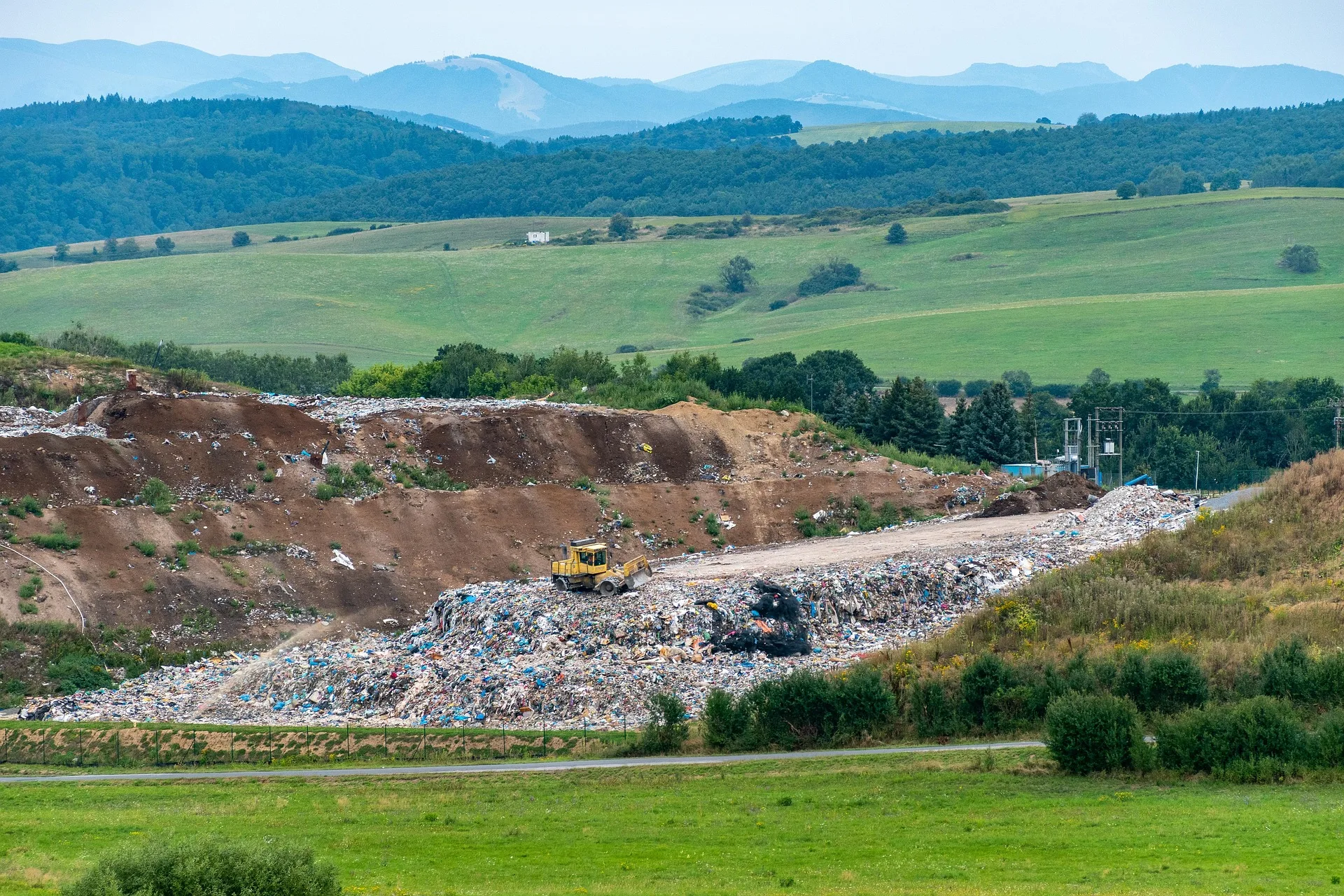
Nicosia, Cyprus. The European Union’s proposed Circular Economy Act is expected to become legislation in 2026, building on previous initiatives to reduce waste, extend resource use and strengthen industrial resilience.
From linear consumption to circularity
The traditional “take-make-waste” model involves extracting raw materials, manufacturing and distributing products, using them for a limited period and then discarding them.
The circular economy model seeks to eliminate waste and keep materials and products in use for as long as possible through reuse, recycling and recovery.
EU policy development
The European Commission introduced its “Closing the Loop action plan” in 2015 to support Europe’s transition towards a more sustainable economy.
In 2019, the European Green Deal made the circular economy a central part of the EU’s broader economic and environmental strategy.
Between 2020 and 2025, geopolitical and economic pressures exposed vulnerabilities in energy security, supply chains and dependence on external resources. The Clean Industrial Deal, introduced in 2025, sought to make decarbonisation a driver of industrial growth by supporting energy-intensive industries, clean technologies, affordable energy, circularity and investment.
Secondary raw materials market
EU environment and climate ministers have expressed support for the Circular Economy Act. Its principal objective is to establish a single market for secondary raw materials.
The European Commission plans to harmonise “end of waste” criteria and facilitate the cross-border movement of recycled materials. The measures are intended to help double Europe’s circularity rate from 12 per cent to 24 per cent by 2030.
The Act also aims to reduce Europe’s dependence on imports from countries outside the region, supporting strategic industrial policy, energy infrastructure and greater independence in circular economy policies.
This news item was generated automatically by Cyprus Inform from publicly available materials. Report an error →