EU vehicle rules set recycled-plastic targets and stricter used-car export controls
New EU rules will require more recyclable vehicle design, set recycled-plastic targets and strengthen oversight of end-of-life vehicles and used-car exports.
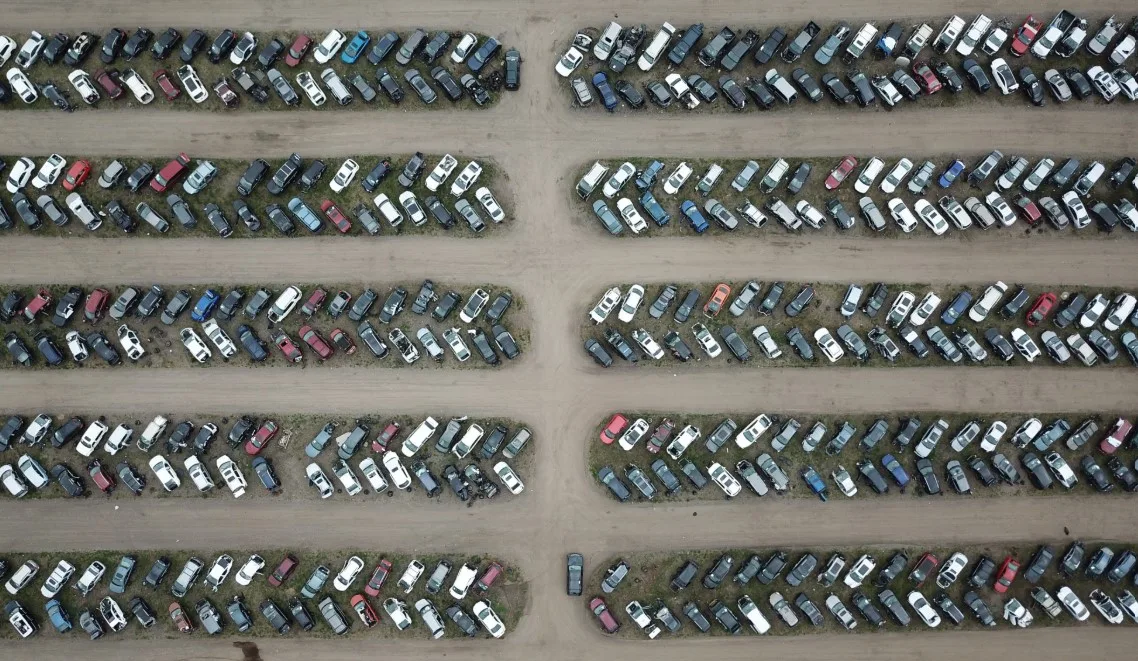
Nicosia, Cyprus. New European Union rules on the design, production and disposal of vehicles have entered into force, setting binding targets for recycled plastics and tightening controls on used-car exports. Most provisions will apply from September 1, 2028, while existing rules remain in place during a two-year preparation period.
Vehicle recovery and traceability
The regulation aims to recover more steel, aluminium, copper, plastics and critical raw materials from ageing vehicles and makes manufacturers responsible for their vehicles once they become waste.
Between 10 million and 12 million vehicles reach the end of their useful life in Europe each year, according to the European Commission. About 6.5 million are formally treated as waste in the EU, while an estimated 3.5 million disappear from official records, often through illegal dismantling, abandonment or exports presented as second-hand sales.
Design and recycled-plastic requirements
Vehicles will have to be designed to allow parts and components to be removed, repaired, reused or replaced more easily. Manufacturers must provide dismantlers and repairers with detailed digital information, while new vehicles will eventually receive a circularity passport outlining their material composition and recycling potential.
Recycled materials must account for at least 15 per cent of vehicle plastics from 2032, increasing to 25 per cent from 2036. At least 20 per cent of the recycled content must come from end-of-life vehicles or used vehicle parts.
The Commission will also examine targets for recycled steel, aluminium, magnesium and critical raw materials that could apply from 2033. The automotive industry uses more than 7 million tonnes of steel, 2 million tonnes of aluminium and 6 million tonnes of plastics annually in the EU, while continuing to rely heavily on newly extracted materials.
Manufacturer responsibilities
Manufacturers will become financially and organisationally responsible for collecting and properly treating their vehicles across the bloc. Vehicle owners must be able to deliver complete end-of-life vehicles to authorised facilities free of charge, including when a vehicle reaches the end of its life in another member state.
Authorised facilities will issue electronic certificates of destruction, enabling registration records to be cancelled and improving vehicle tracking. The regulation also establishes clearer criteria for determining when damaged or abandoned vehicles must be classified as waste and can no longer be resold.
This news item was generated automatically by Cyprus Inform from publicly available materials. Report an error →