European seas record hottest summer in satellite data
European waters averaged 21.6 C from June to August, while marine heatwaves disrupted fisheries and brought record temperatures to the Bay of Biscay.
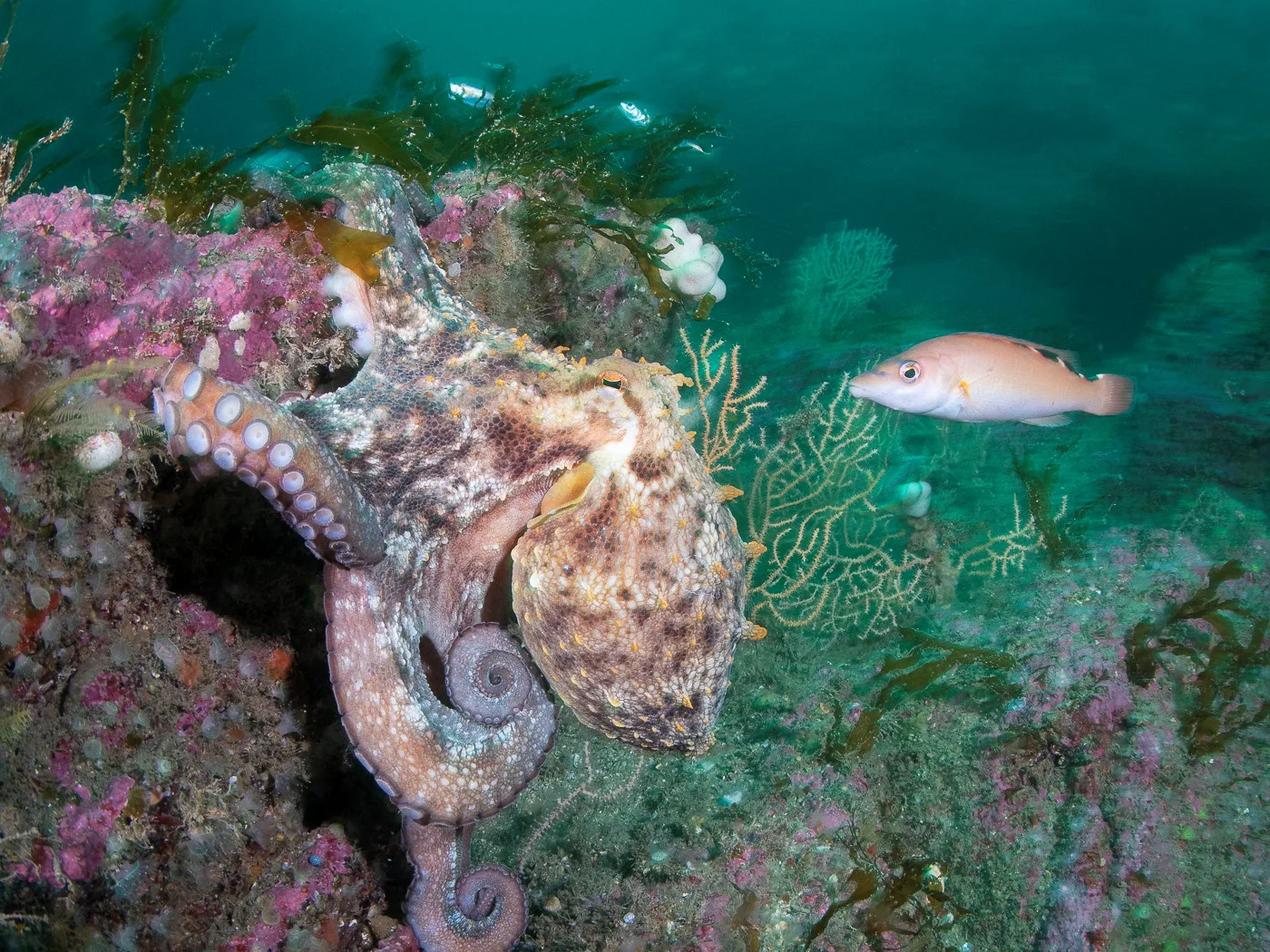
Madrid, Spain. European seas recorded their hottest summer since reliable satellite measurements began in 1982, according to a Reuters analysis of sea-surface temperatures. Waters across the region averaged 21.6 C (70.9 F) from June to August, the highest in 45 years of available data.
Records across European waters
As drought and wildfires affected Europe, sea-temperature records fell from the English Channel to the Mediterranean. On August 5, an offshore buoy near Mallorca measured 33.02 C (91.44 F), the highest reading ever recorded by the Spanish port authority’s buoy network.
The Bay of Biscay, off the Atlantic coasts of France and Spain, was among the areas furthest above normal. Between Cape Ortegal in Galicia and the Pointe de Penmarch in southern Brittany, its waters averaged 21.4 C (70.5 F) from June to August, more than 2.4 C (4.4 F) above the 1991–2020 average. Data from the U.S. National Oceanic and Atmospheric Administration showed a peak of 23.2 C (74 F) on August 13, the bay’s highest reading of the satellite era.
Effects on marine life and fisheries
Scientists say marine heatwaves are becoming more frequent, intense and widespread as greenhouse-gas emissions raise atmospheric temperatures. Oceans absorb most of the excess heat and retain it longer than land or the atmosphere.
Warming waters are changing marine ecosystems, with severe consequences for some European fisheries and the people who depend on them, according to a review of scientific literature and interviews with more than a dozen researchers, fishing industry sources and analysts. Species that have supported coastal communities in Spain and southern England for generations are disappearing, while unfamiliar species move into waters that have become more suitable for them.
“What is surprising is the speed at which this occurs,” said Jean-Pierre Gattuso, a senior research scientist at France’s National Centre for Scientific Research. “Records are broken almost every day in many places.”
This news item was generated automatically by Cyprus Inform from publicly available materials. Report an error →