France opens smart glasses harassment probe as global scrutiny grows
Paris prosecutors are investigating suspected sexual harassment involving smart glasses as regulators and governments raise privacy, security and workplace concerns.
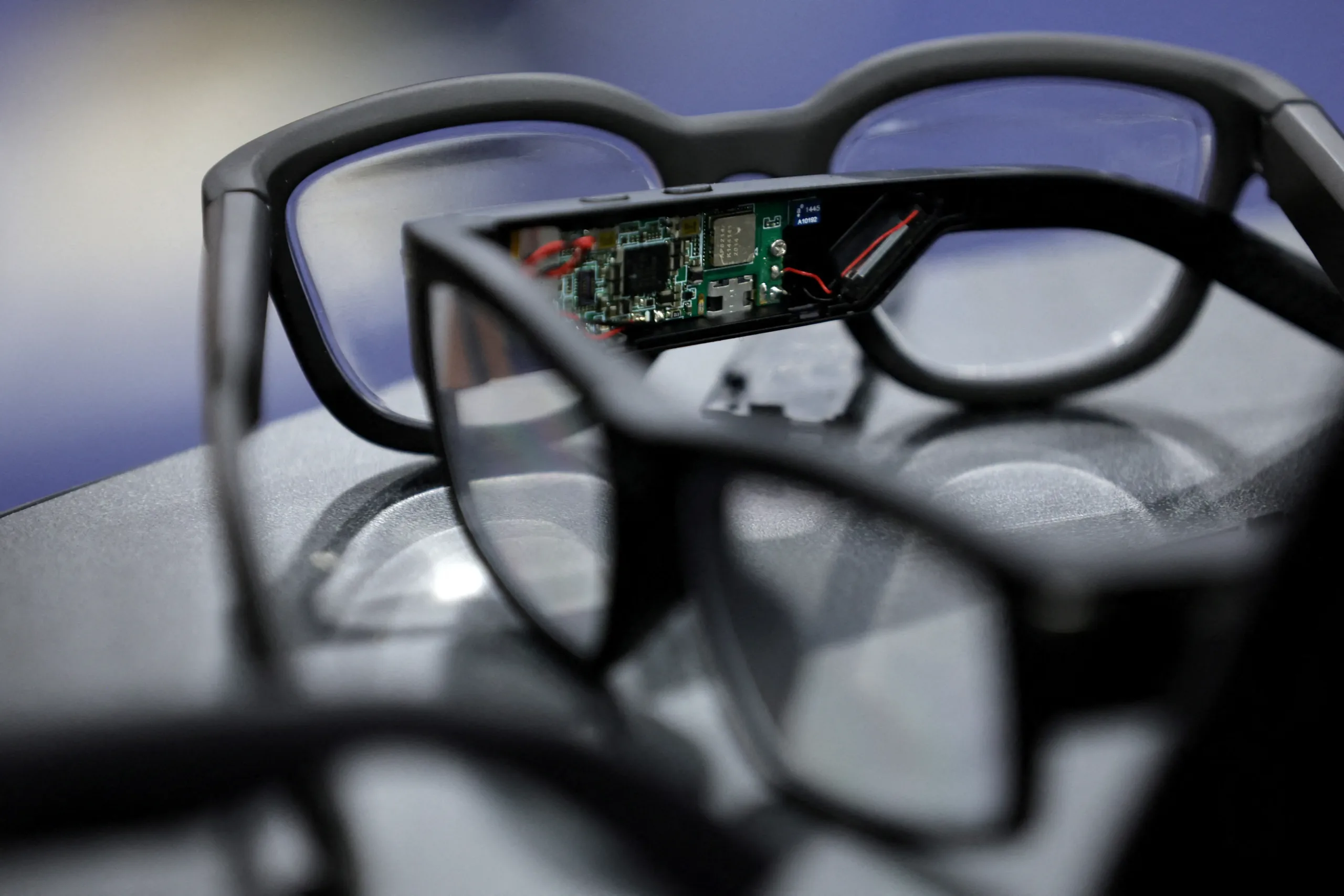
Paris, France. Paris prosecutors have opened a criminal investigation into suspected sexual harassment involving smart glasses, as authorities and businesses in several countries examine privacy, security and workplace concerns surrounding the devices.
Meta’s AI-enabled glasses, made with EssilorLuxottica, lead the global market and have drawn increasing scrutiny over potential misuse, including non-consensual filming and illicit surveillance.
French investigation
The Paris prosecutor’s office told Reuters it had recently opened at least one criminal probe following sexual harassment complaints linked to a social media trend in which smart glasses were used to film women on the street without their consent and post the videos online.
Prosecutors did not identify the brand of devices involved. The office declined to provide further details, but said its cybercrime unit tested the devices two weeks ago to better understand potential crimes that could be committed using smart glasses.
Market leader and company response
Several smart glasses are available, but Meta’s glasses, produced in collaboration with EssilorLuxottica, hold about 76% of the global market.
Meta’s glasses contain a small embedded camera that allows users to record discreetly. The AI-enabled devices sold 7 million units last year, while EssilorLuxottica’s latest sales figures indicate “exponential growth” in 2026.
A Meta spokesperson said the company had “built privacy into our AI glasses from the ground up” and would continue strengthening protections as the glasses became more capable. EssilorLuxottica declined to comment.
Regulatory and workplace concerns
France’s data protection authority, CNIL, said it had received fewer than 10 complaints concerning smart glasses being used in workplaces. It did not identify the brands involved.
CNIL also said businesses were increasingly seeking guidance on whether they could ban smart glasses at work.
Elsewhere, some cinemas in the United Kingdom have prohibited smart glasses. A German consumer advocacy group has filed a criminal complaint against Meta and other companies selling the devices in Germany, citing privacy laws.
Australia said on Thursday that it was considering prohibiting camera-equipped smart glasses in government workplaces because of privacy and security concerns, in what it said could be the first ban of its kind.
This news item was generated automatically by Cyprus Inform from publicly available materials. Report an error →