House legal affairs committee reviews bill on online harassment and invasive surveillance
Lawmakers are examining a Disy-sponsored proposal to amend the 2021 law and create two new criminal offences, while the MP behind it says free expression is not affected.
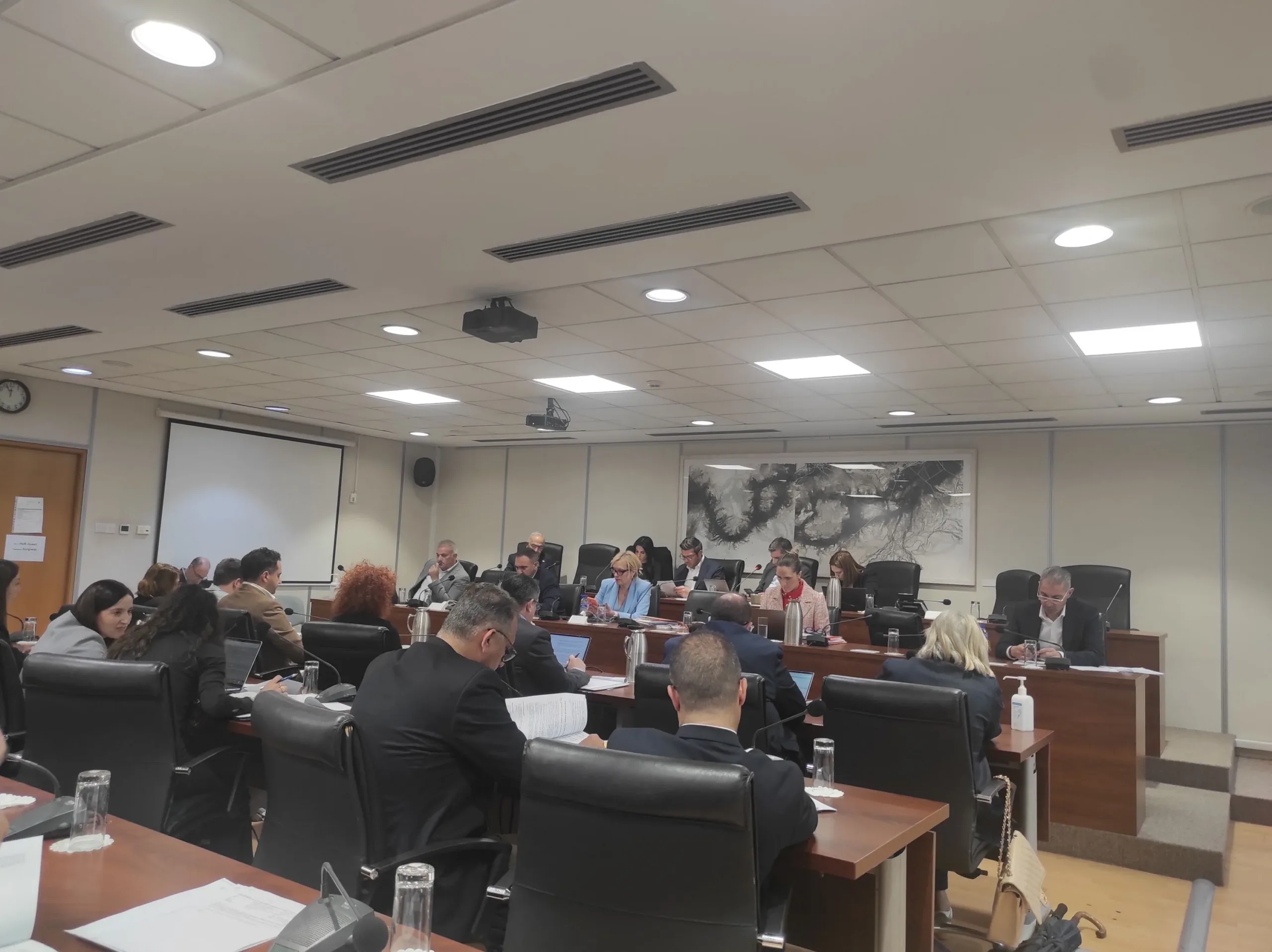
Nicosia, Cyprus. The House legal affairs committee went on Wednesday with its examination of a bill meant to strengthen protection against harassment and intrusive surveillance, especially online and on social media. The bill, put forward by Disy MP Fotini Tsiridou, would amend the 2021 law and add two new criminal offences.
Aim of the proposal
Tsiridou said the purpose is to reinforce legal safeguards for the public without restricting freedom of expression. She said the bill has no bearing on journalism or freedom of opinion, and added that hate speech is not treated as a separate offence in the text.
Related: House committee reviews secrecy labels after leak of presidential limousine document
 RelatedHouse committee reviews secrecy labels after leak of presidential limousine document
She described the protection of personal security, privacy and human dignity as a basic responsibility of the state. In her view this matters all the more because technology allows information to travel quickly and makes harassment campaigns easier to carry out.
She pointed to situations in which a person may be the target of coordinated online attacks or may see private details made public. According to Tsiridou, conduct of this kind, when meant to intimidate and when it reaches the legal threshold of an offence, can have consequences extending well beyond an internet quarrel.
The two new offences
The first offence covers organised targeting online. It applies where there is a prior agreement or coordinated action, awareness that the goal is to harass or intimidate, and a significant contribution to conduct amounting to an offence.
The second offence covers the malicious release of location or identification data, which Tsiridou said could endanger people’s safety.
What would not be criminalised
Tsiridou stressed that ordinary disagreement, sharp public criticism or unpleasant remarks would not become criminal acts under the bill.
Related news




This news item was generated automatically by Cyprus Inform from publicly available materials. Report an error →

Write a comment