IMF warns prolonged Middle East war poses biggest risk to regional economies
The IMF says a prolonged conflict and renewed disruption to energy, shipping or infrastructure threaten economies across the Middle East and Central Asia.
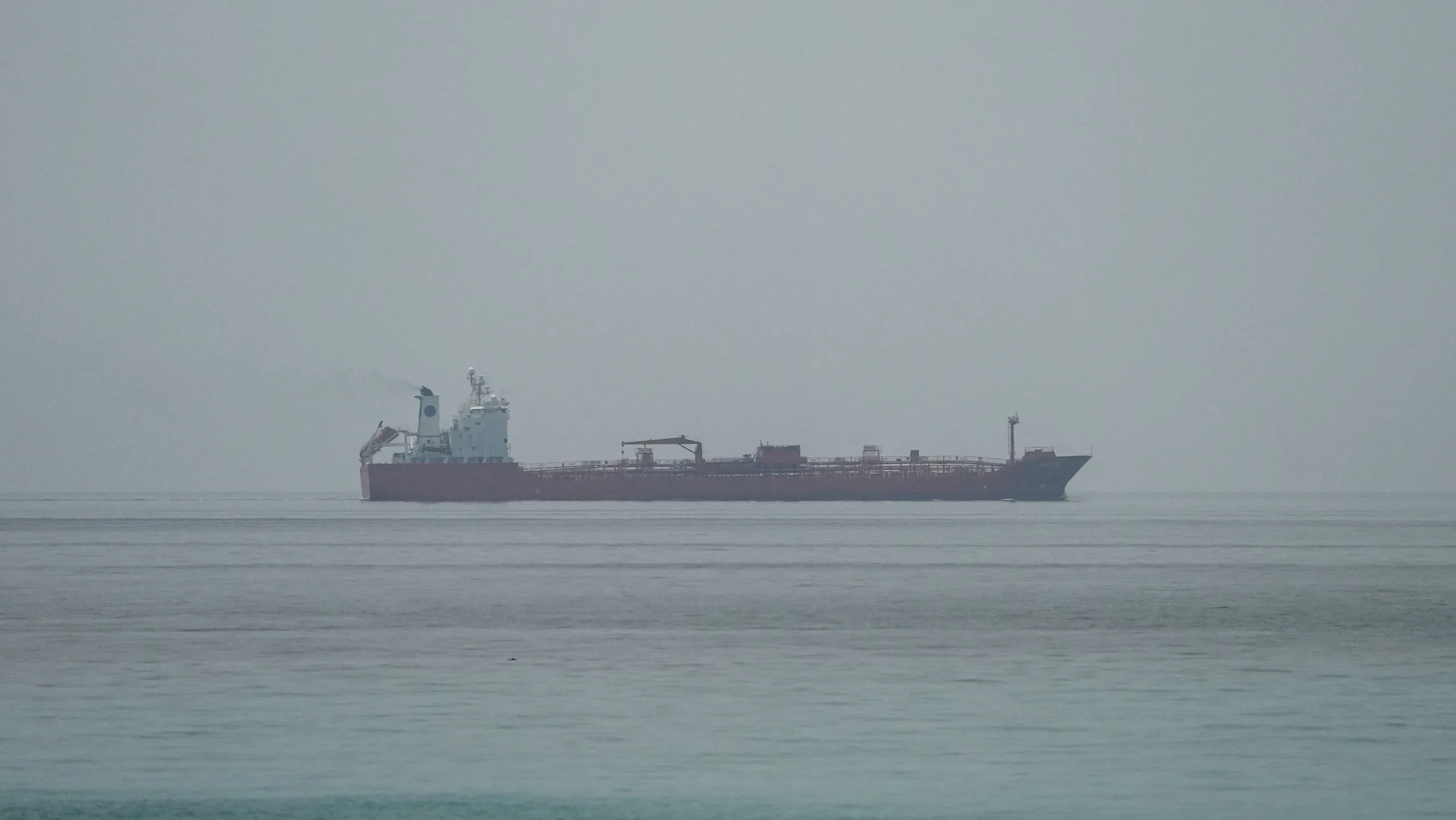
Bangkok, Thailand. The International Monetary Fund said on Thursday that a prolonged Middle East conflict, alongside further disruption to energy output, shipping or critical infrastructure, presented the greatest threat to economies across the Middle East and Central Asia.
Uneven impact across the region
Speaking to reporters in Bangkok during annual meetings held by the IMF and World Bank, Jihad Azour, the IMF’s director for the Middle East and Central Asia, said the conflict was affecting regional economies very differently, with countries directly exposed facing intense pressure.
Azour said the outlook hinged on the speed at which energy output and trade returned to normal, as well as governments’ capacity to maintain macroeconomic stability. The IMF is due to publish a more detailed regional outlook on October 22.
The lender projects a 1.3% contraction for the region comprising the Middle East, North Africa and Pakistan, following growth of 3.3% in 2025. Azour said growth was forecast to reach 6.6% in 2027, although the strong recovery would be uneven and outcomes would vary substantially between countries.
Energy buffers under strain
Azour said surpluses accumulated before the war, the use of alternative routes, changes in demand and substantial withdrawals from inventories had limited the energy shock following attacks on Iran led by the US and Israel and Tehran’s subsequent closure of the Strait of Hormuz.
“These buffers bought time, but they are finite. Inventories are lower, spare capacity is tighter, and renewed disruption could generate much larger price adjustments,” he said.
Recovery depends on production and trade
The forecast assumes trade and shipping return to normal during the opening quarter of 2027, followed by a gradual normalisation of exports by the middle of that year, while oil prices remain elevated, according to Azour.
He said the projections also relied on production resuming quickly. As an example, he pointed to Qatar, which had accelerated its recovery despite extensive destruction of its natural gas capacity.
Azour warned that the shock would leave lasting damage across several sectors and that infrastructure repairs would require additional expenditure. He said risks to the forecast were weighted towards worse outcomes.
For oil exporters directly hit by the conflict, Azour forecast a substantial economic contraction in 2026, followed by a sharp growth rebound in 2027 as energy production returned to normal. However, he said output would still fall short of medium-term levels projected before the war.
This news item was generated automatically by Cyprus Inform from publicly available materials. Report an error →