Kronos project seen linking Cypriot gas to Egypt and European LNG markets
An OilPrice report says Cyprus’ approved Kronos project could supply Egypt and Europe from 2028 as Egyptian gas production declines.
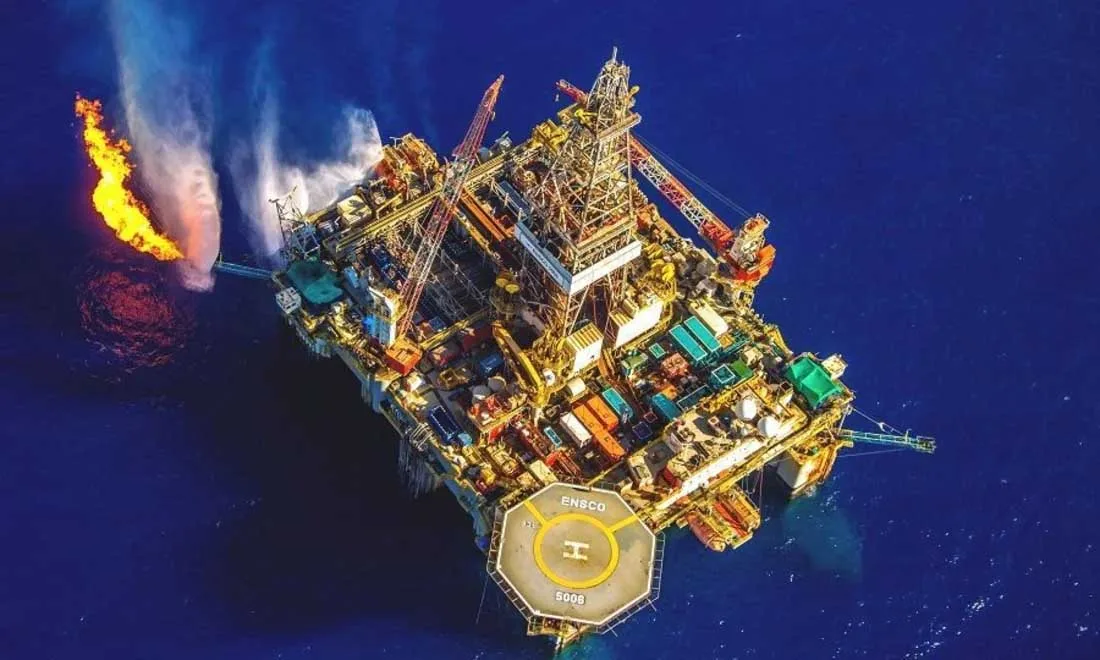
Cairo, Egypt. Egypt’s declining domestic gas output is increasing the potential value of Cyprus’ Kronos project, which is expected to provide LNG supplies from 2028, according to an OilPrice report.
The report said the project could benefit Cyprus, Egypt and Europe, while technical, commercial and geopolitical risks could still disrupt the proposed gas corridor.
Egypt’s gas shortfall
Egypt’s natural gas production fell 7 per cent year on year to 109.3 million cubic metres per day in the second quarter of 2026, extending a decline that began after national output peaked in 2021.
The reduction has been concentrated in the offshore Mediterranean, while increased production in the onshore Western Desert has not been enough to reverse the overall trend.
Domestic demand has continued to rise, reaching 190 million cubic metres per day in June, the highest level recorded for that month. Power generation consumed 113 million cubic metres per day, nearly matching Egypt’s total domestic output.
The report estimated the resulting deficit at more than 75 million cubic metres per day before pipeline and LNG imports are included.
Import capacity affected
Egypt resumed LNG imports in mid-2024 and has deployed four floating storage and regasification units, or FSRUs, with combined annual capacity of about 20.2 million tonnes.
However, only three units remained operational after the US-owned Energos Winter at Damietta was struck by a drone on July 29, reducing annual regasification capacity to 16.9 million tonnes, the report said.
At the time of publication, Egypt had received 18 US LNG cargoes and one Mexican cargo during August, totalling about 1.2 million tonnes. This compared with a record 24 cargoes received over the whole of July.
A new exploration round launched in August may eventually slow the production decline and reduce dependence on LNG imports, but the report said future discoveries would not address the immediate deficit. It also said smaller discoveries since the 2015 Zohr find indicated declining untapped resources.
Kronos development
Cyprus has made six significant offshore discoveries but has not yet begun commercial gas production. Its domestic market is small, its power sector remains heavily reliant on imported petroleum, and it has no operating gas-processing or LNG-export facilities.
The report said a standalone export chain would require substantially more capital, committed resources and time.
Eni and TotalEnergies approved the Kronos development in Block 6 on July 28, targeting first gas in 2028. Four subsea wells are expected to produce up to 14.2 million cubic metres per day.
The gas is planned to be transported by pipeline to Egypt, processed at the existing Zohr facilities and sent to Damietta for liquefaction and export, primarily to Europe. Up to 2.8 million tonnes of LNG a year are expected from 2028.
According to the report, Cyprus would accept transport, processing and liquefaction charges under the model, retaining less value from each unit of gas but reducing capital expenditure and execution risk while gaining a faster route to revenue.
This news item was generated automatically by Cyprus Inform from publicly available materials. Report an error →