Lindsay Clancy’s lawyers ask judge to drop murder charges, citing protection against a second trial
Defense attorneys for Lindsay Clancy argued at a Plymouth hearing that a retrial over the deaths of her three children would breach her constitutional rights, while prosecutors said the judge handled the jury deadlock properly.
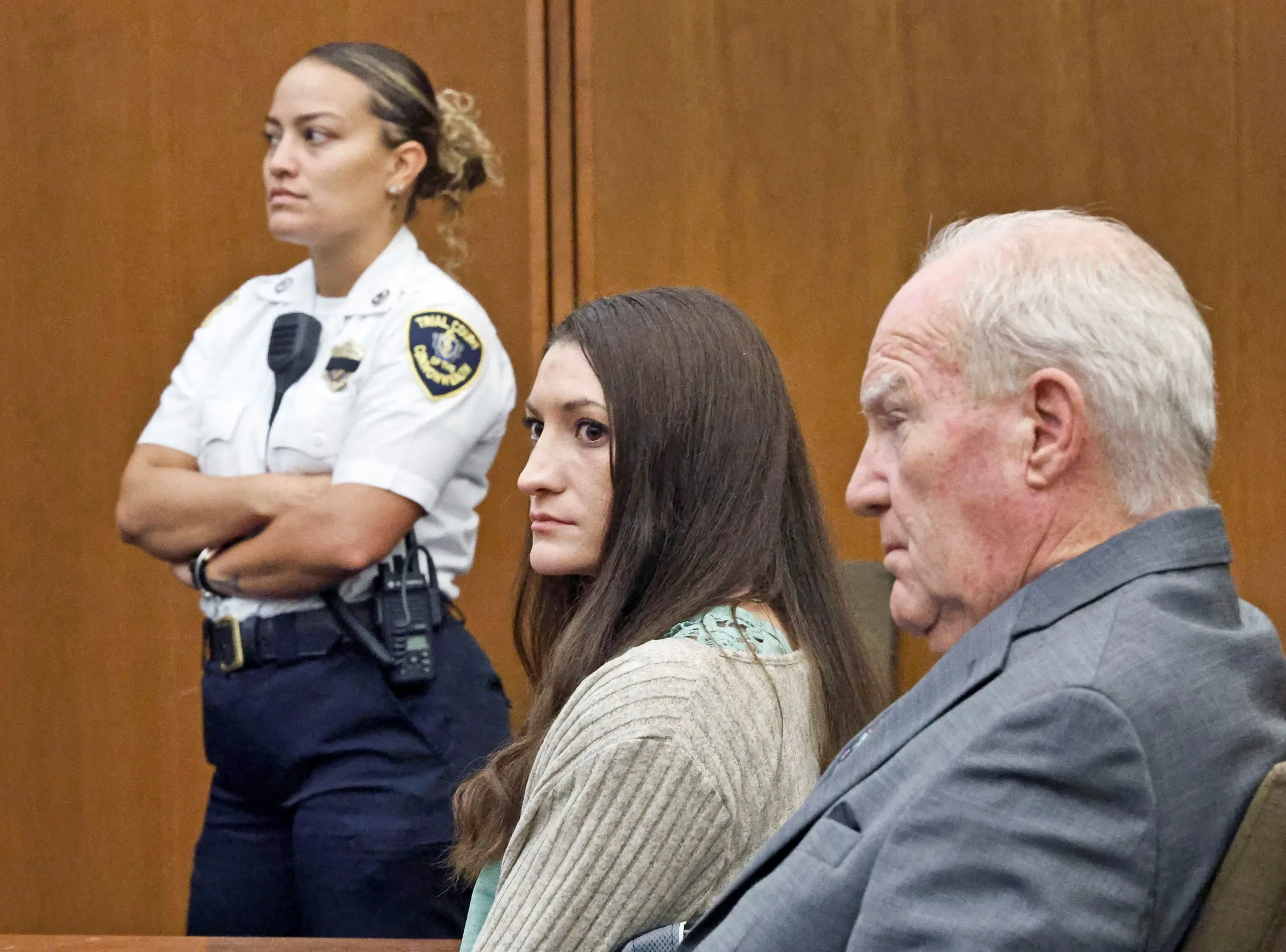
Plymouth, United States. Lawyers for Lindsay Clancy asked a Massachusetts judge on Monday to throw out the murder charges against her, arguing that a second trial over the 2023 killing of her three young children at their home would violate her constitutional rights.
Defense challenges the mistrial
Defense attorney Martin Weinberg told Judge William Sullivan at the hearing that the judge acted too early when he declared a mistrial on September 4. The jury in the first trial had told the court that a single holdout juror was blocking a unanimous verdict.
Related: Swedish supermarket freezers overheat overnight, with one store citing a cyberattack
 RelatedSwedish supermarket freezers overheat overnight, with one store citing a cyberattack
Weinberg said Sullivan should have asked questions to determine whether that juror was deliberating in good faith, rather than ending the trial. Since that step was not taken, he argued, a retrial would breach the protection in the US Constitution against being tried twice for the same offense, known as double jeopardy. He said a person accused of a crime as grave as murder should face a second trial only when a mistrial is truly unavoidable.
What the jury reported
Notes sent to the judge by the jury foreperson said the holdout was disregarding the instruction that Clancy could be convicted only if prosecutors had proved their case beyond a reasonable doubt.
After the mistrial, several jurors said in televised interviews that, were it not for that one juror, they would have found Clancy not guilty on grounds of insanity. Such a verdict would have sent her to a state psychiatric hospital, with her commitment subject to regular court review.
The charges and the defense case
Clancy, 36, faced first-degree murder charges over the deaths of her daughter Cora, 5, her son Dawson, 3, and her 8-month-old son Callan. Her lawyers have argued that the evidence showed she was suffering from postpartum psychosis when the killings occurred. They say she should be found not guilty by reason of insanity, which Massachusetts law calls lack of criminal responsibility.
Prosecution response
Assistant District Attorney Jennifer Sprague said the judge dealt with the impasse correctly. She argued that one juror holding firm to his position did not oblige Sullivan to question him, since doing so could interfere with deliberations.
Sprague said: “It is clear from the record this juror did not refuse to deliberate. He refused to agree.”
Related news



This news item was generated automatically by Cyprus Inform from publicly available materials. Report an error →

Write a comment