Malloc Expands From Consumer Privacy App to Defence and Government Mobile Security
Five years after launch, Malloc, led by co-founder and CEO Maria Terzi, is developing mobile security technology for enterprise, government and defence users while keeping AI processing largely on the device.
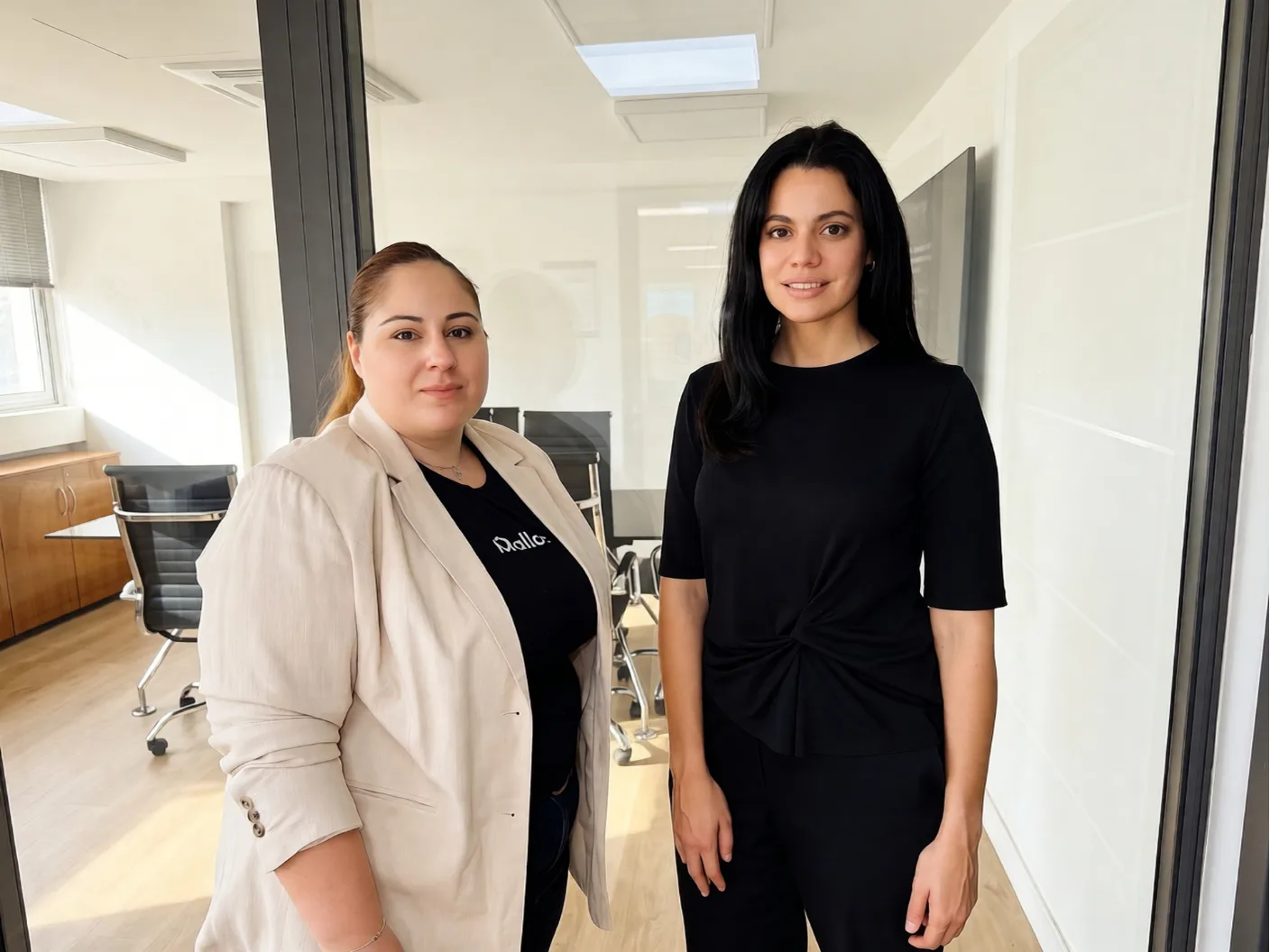
Nicosia, Cyprus. Malloc, which started five years ago as a privacy app for people concerned about spyware eavesdropping on them or taking data from their phones, is now moving into enterprise, government and defence. The company is led by co-founder and CEO Maria Terzi and builds mobile security technology for users working in sensitive and restricted environments.
A changing security landscape
The company’s growth mirrors a broader change in cybersecurity. Phones now serve as more than personal gadgets: for journalists, executives, government personnel, political figures and defence users, they can open a path to location data, communications, and personal, confidential and operational information.
Related: Leapmotor, backed by Stellantis, expands in Europe with affordable electric cars
 RelatedLeapmotor, backed by Stellantis, expands in Europe with affordable electric cars
Terzi does not see the expansion as a break from the original purpose. She believes the company is still well short of its full potential. Reflecting on Malloc’s development, she said: “To be honest, nothing changed, in fact, Malloc is not even near to what it can become.”
From privacy-conscious users to national security
According to Terzi, Malloc was founded to help people stay private and safe online, shield them from spyware and hacking attempts, and let them take back control of their privacy. Its first users were people who wanted tighter control over their data. They included individuals living in restrained and censored environments, high-risk people, investigative journalists, politicians and governmental personnel.
The product has since grown to cover the protection of sensitive and defence personnel as well as communication infrastructure, taking it into national security and military uses. Terzi said meeting the needs of these users, who sometimes work in highly restricted settings, required Malloc to develop from a consumer application into one suited to enterprise and government. That shift also meant working across geographical barriers and overcoming technology restrictions, so that the protection stayed as smooth as possible for users.
Keeping AI on the device
The company is also addressing a tension in modern AI: systems need more data to grow more capable, yet gathering user data in a remote cloud creates privacy risks. Malloc sidesteps these risks by carrying out most of the training and inference of its AI algorithms on the device itself.
Terzi acknowledged that this involves compromises. She said: “There is always a trade-off between privacy, usability, and speed, but Malloc balances them to maintain high precision and seamless experience without compromising security.”
For secure and private AI detection, the company trains global base models in the cloud and then tailors them on the user’s device using local data. Improvements are then passed back to the main model through Federated Learning, and personal data never leaves the handset.
Related news



This news item was generated automatically by Cyprus Inform from publicly available materials. Report an error →

Write a comment