Middle East crisis weakens confidence among Limassol businesses
A Limassol Chamber survey shows rising pressure from energy costs, weaker sales and uncertainty, while labour shortages remain businesses’ most frequently cited problem.
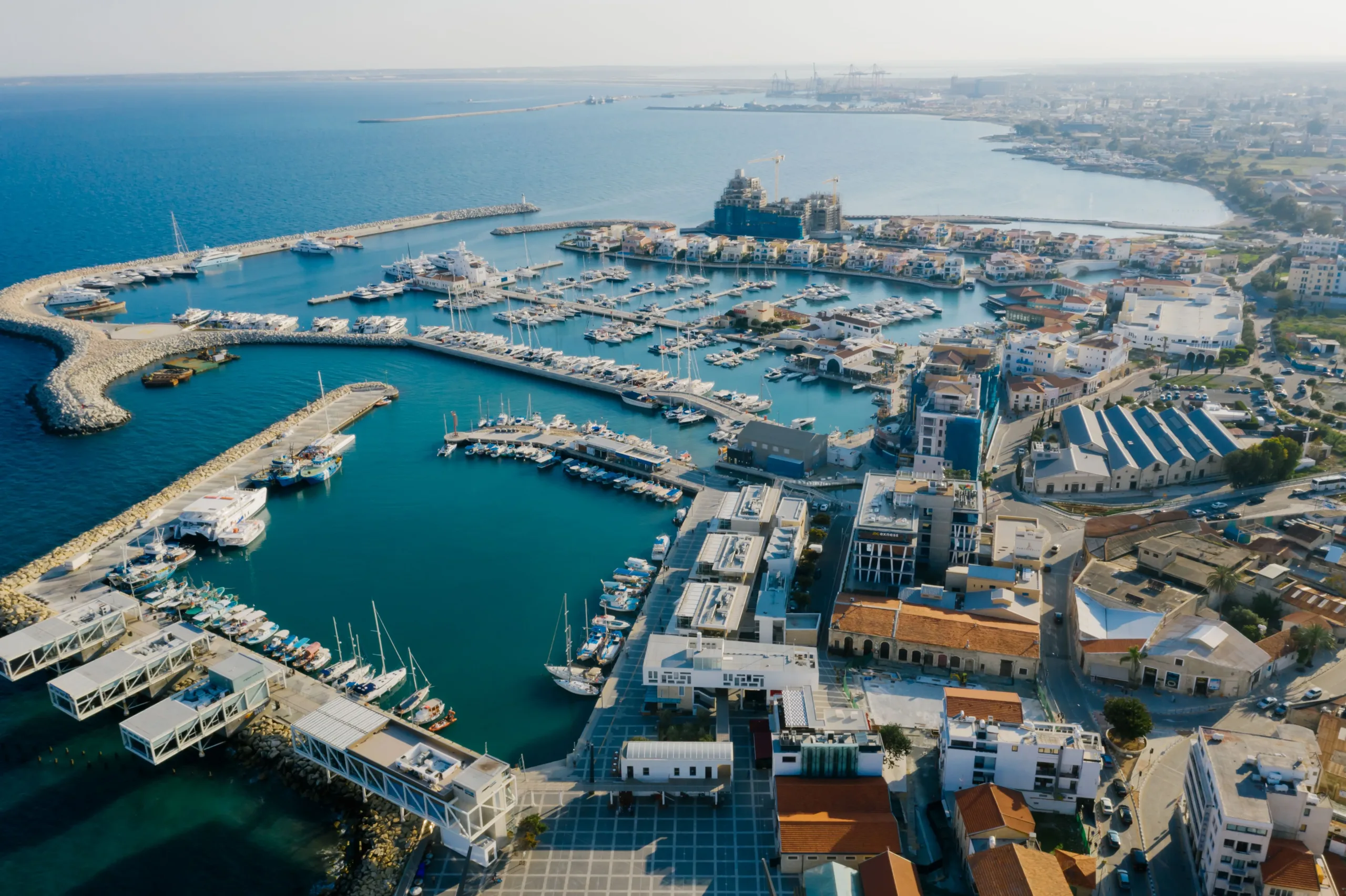
Limassol, Cyprus. The Middle East crisis has sharply weakened confidence among Limassol businesses, increasing concerns about energy costs, weaker sales and economic uncertainty. Companies continue to invest, while longstanding problems including labour shortages, bureaucracy and delays in justice persist.
Survey participation and limitations
The findings come from the Spring/Summer 2026 Limassol Chamber Business Barometer, the 18th edition of the survey conducted by the Limassol Chamber of Commerce and Industry (Evel). It examines the concerns, expectations and investment plans of businesses in the district.
The survey ran from April 30 to June 9 and received 67 responses, down 15 per cent from autumn 2025. Participation was the third-lowest since the Barometer was launched in 2016.
The Chamber cautioned that the smaller sample, particularly within individual sectors, limits the extent to which broader conclusions can be drawn. Nevertheless, the results showed a clear shift in business sentiment.
Labour shortages remain the leading concern
The shortage of skilled labour remained the most frequently cited problem, accounting for 17.8 per cent of responses, although its share fell from 22.5 per cent six months earlier.
Difficulties involving government departments followed at 16.1 per cent. Concern over high labour costs rose sharply to 13.3 per cent, from 7.9 per cent in autumn 2025.
Low or declining sales were cited by 10 per cent of respondents, up from 6.2 per cent six months earlier. This was the first double-digit figure for that concern in the period examined by the latest survey.
Delays in the delivery of justice also became more prominent, rising to 8.9 per cent from 6.7 per cent.
Energy pressures intensify
The Chamber linked some of the deterioration to the renewed Middle East crisis, which coincided with the survey period and heightened concerns about energy, commodity prices and the wider economic outlook.
The proportion of businesses reporting that the energy sector affected their operations and competitiveness to a very high degree rose to 20.9 per cent, from 7.7 per cent in autumn 2025.
A further 23.9 per cent reported a high impact, meaning almost 45 per cent of respondents were experiencing significant energy-related pressure.
Environmental considerations lose influence
The increased focus on immediate operating pressures appears to have coincided with reduced emphasis on longer-term environmental considerations.
Only 28.1 per cent of respondents said environmental factors and Europe’s 2050 climate-neutrality target influenced their business decisions to a high or very high degree. That was down from 32 per cent in autumn 2025 and more than 38 per cent a year earlier.
The Chamber said changing priorities following the Middle East crisis could partly explain the decline.
This news item was generated automatically by Cyprus Inform from publicly available materials. Report an error →