Middle East oil exporters turn to alternative routes as Hormuz traffic drops
Attacks and sharply reduced shipping through the Strait of Hormuz are driving Gulf oil producers to rely more heavily on pipelines and ports outside the waterway.
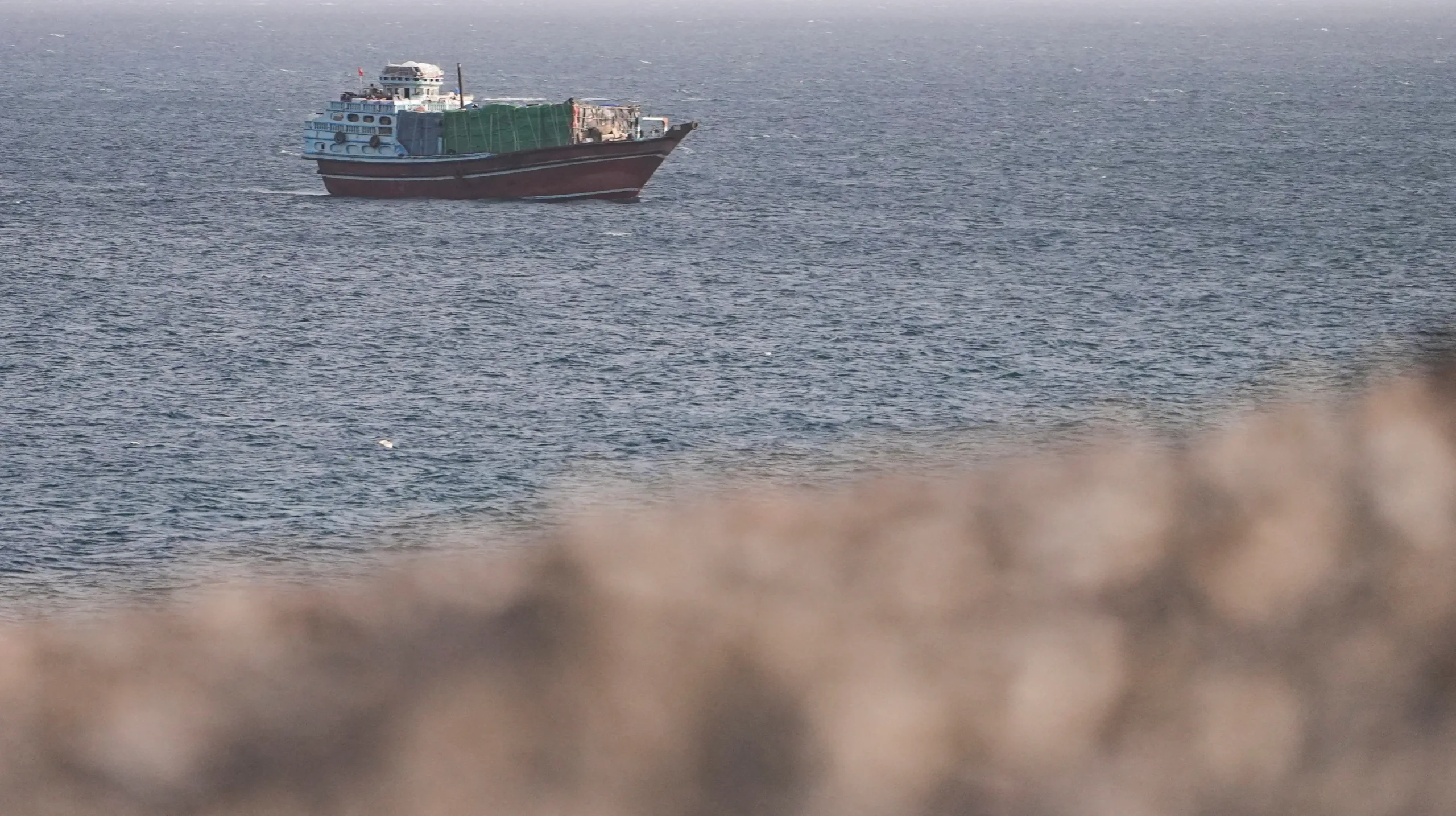
Riyadh, Saudi Arabia. Attacks around the Strait of Hormuz and the Red Sea are forcing Middle Eastern oil exporters to increase reliance on pipelines, alternative ports and longer tanker routes.
Saudi Arabia’s East-West oil pipeline was temporarily shut after a drone attack over the weekend, Reuters reported on Monday, adding pressure to routes designed to bypass the Strait of Hormuz.
Sharp decline in Hormuz flows
Shipping through the Strait of Hormuz has fallen to a fraction of normal levels. According to the latest US Energy Information Administration figures, oil flows through the strait averaged 4.9 million barrels per day in the second quarter of 2026, compared with 21.6 million barrels per day in the final quarter of 2025, before the Middle East conflict began.
During the first half of 2025, about 20.9 million barrels of oil a day passed through the strait. This represented roughly 20 per cent of global petroleum liquids consumption and about one quarter of oil traded by sea.
Alternative export routes
The decline in traffic has led Gulf producers to make greater use of routes outside the Strait of Hormuz.
The United Arab Emirates uses the 1.8 million-barrel-a-day Abu Dhabi Crude Oil Pipeline to transport crude from fields inside the Gulf to Fujairah, on the Gulf of Oman and outside Hormuz. A second pipeline with capacity of 1.5 million barrels per day is planned for 2027.
Saudi Arabia’s East-West pipeline transports crude from eastern production centres to the Red Sea port of Yanbu. The pipeline has capacity of about 7 million barrels per day, including around 5 million barrels per day available for exports, according to the US Energy Information Administration.
Saudi Arabia has increasingly relied on the route as disruption in the Strait of Hormuz has intensified.
This news item was generated automatically by Cyprus Inform from publicly available materials. Report an error →