Pope Leo renews AI warnings and calls for global rules
The pope warned that artificial intelligence poses risks to international peace and urged world leaders to govern the technology wisely.
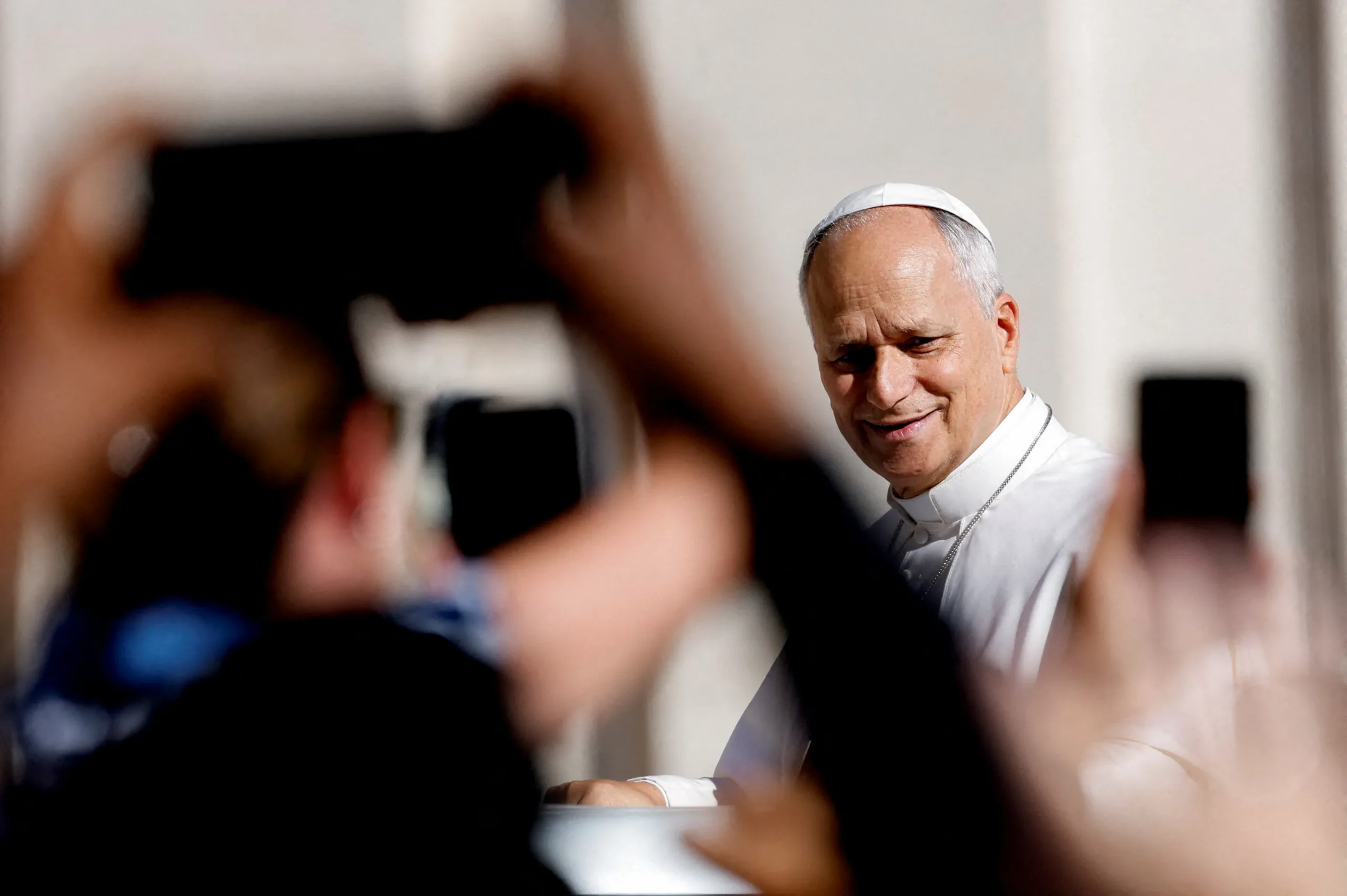
Vatican City, Vatican City. Pope Leo renewed his warnings about artificial intelligence on Thursday, saying it could benefit humanity but also poses new dangers to security and international peace. He called on world leaders to govern the technology wisely.
Vatican warnings
Speaking to the Pontifical Academy of Sciences, Leo again raised an issue he has discussed frequently during his 16-month papacy. The first US-born pope addressed AI publicly on his third day in office and is expected to return to the subject on Friday in a speech at the Paris headquarters of Unesco, the UN’s culture and education body.
In May, Leo called for global rules to oversee the industry in his first major document. He warned that AI systems spread misinformation, prioritise conflict and could lead the world towards unending war.
The Vatican raised the risk of an AI-driven apocalypse years before major American firms sounded an alarm at the United Nations Security Council on Wednesday. Rev. Paolo Benanti, a leading Vatican adviser on AI, told Reuters the issue was “not happening on day zero for the Holy See.” Recent calls for a slowdown have been endorsed by the chief executives of AI firms Anthropic, OpenAI and xAI, among others.
Benanti, an Italian academic who recently took part in an AI summit hosted by Britain’s King Charles, said the technology’s transformative power could bring societal changes that are difficult to predict. He said he could not disclose details of the summit’s confidential discussions.
Call for international regulation
Cardinal Pietro Parolin, the Vatican’s top diplomat, reiterated Leo’s call for international regulation at an event in Rome last week. He warned that countries could not “go it alone” and said the future of humanity was at stake, calling for broad involvement in establishing common rules.
This news item was generated automatically by Cyprus Inform from publicly available materials. Report an error →