Poullikkas urges structural energy investment, says EU response to high prices falls short
Energy systems expert Andreas Poullikkas says EU leaders recognise the threat from high energy costs but need structural investment rather than continued temporary support.
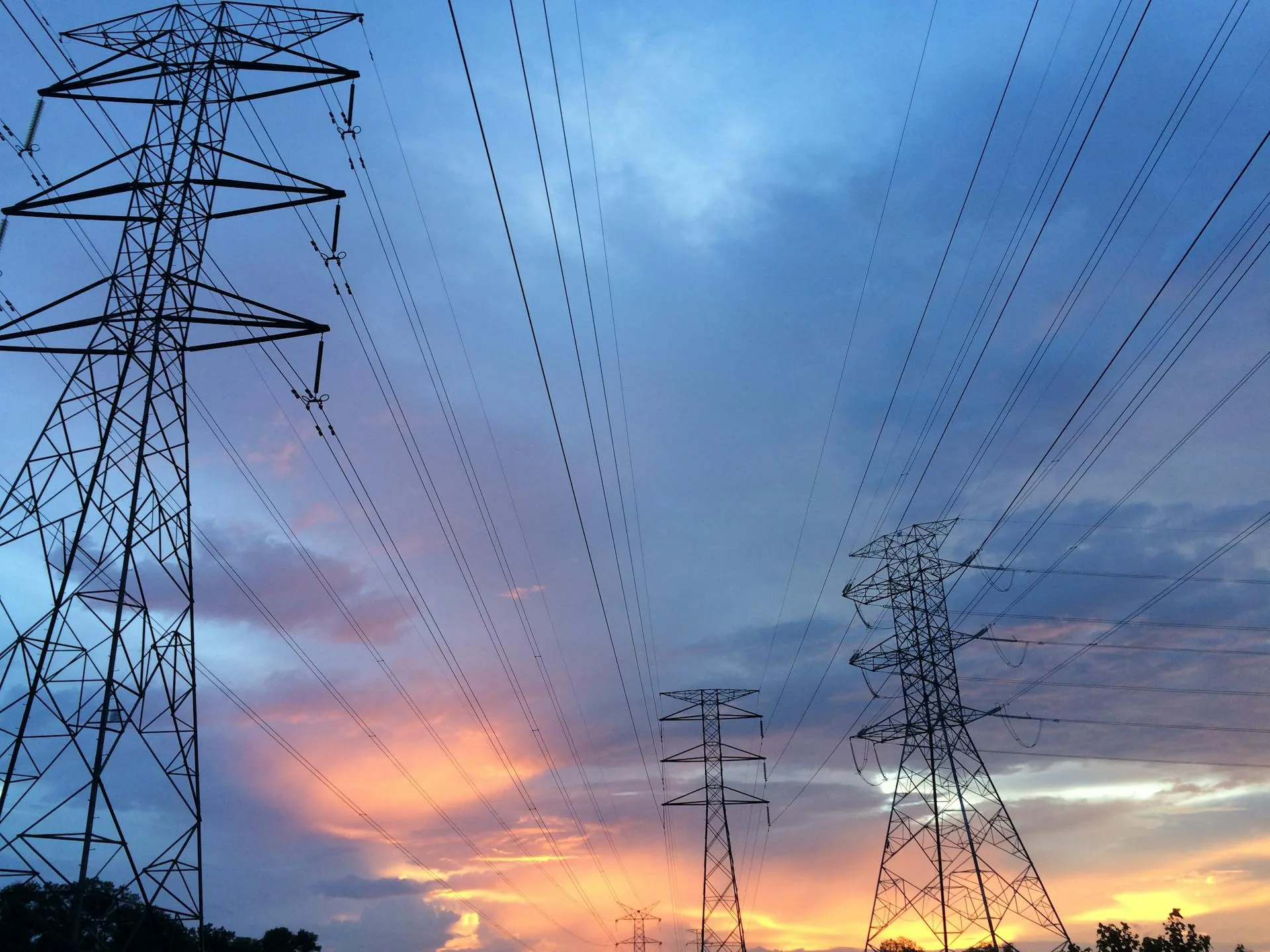
Nicosia, Cyprus. Energy systems expert Andreas Poullikkas has warned that EU leaders’ response to expensive energy remains insufficient, despite their correct assessment of the risks to households, industry and the broader economy.
Investment needed for lasting reductions
In an assessment following the October 15-16 EU summit, Poullikkas argued that Europe should prioritise structural investment in power networks, cross-border connections and storage instead of continuing to depend on short-term assistance. He previously chaired the Cyprus Energy Regulatory Authority (CERA) and is vice-rector of Frederick University.
He regarded leaders’ acknowledgement that the energy transition could improve both supply security and affordability as the summit conclusions’ strongest element.
According to Poullikkas, the most effective route to structurally cheaper energy combines quicker electrification, expanded renewable generation and other low-emission sources with stronger electricity grids, storage capacity and improved energy efficiency.
Summit backs temporary support and joint purchasing
The summit conclusions advocated coordinated action through temporary, targeted interventions. Leaders welcomed postponements affecting some methane regulation obligations, alongside a proposal to prolong the temporary state aid framework covering industrial sectors facing the greatest exposure to expensive energy.
They also endorsed businesses and industries voluntarily combining their energy demand. By purchasing larger volumes together, participants could gain bargaining strength and potentially obtain cheaper prices with greater stability.
For the EU emissions trading system (ETS), leaders sought quicker progress on legislation concerning the Market Stability Reserve, with the aim of curbing excessive volatility. They also requested a revised evaluation of the ETS2 system’s impact.
Carbon price fluctuations already affecting costs
Poullikkas cautioned that fluctuating carbon allowance prices were already influencing energy costs, rather than posing only a theoretical risk.
His analysis put carbon allowances close to €88 per tonne in early October 2026, with prices still exceeding €85 around mid-month.
This news item was generated automatically by Cyprus Inform from publicly available materials. Report an error →