Putin warns West against threatening Kaliningrad, reiterates nuclear warning
President Vladimir Putin said Russia could use all weapons in its arsenal if Kaliningrad were attacked, while denying plans to attack any European country.
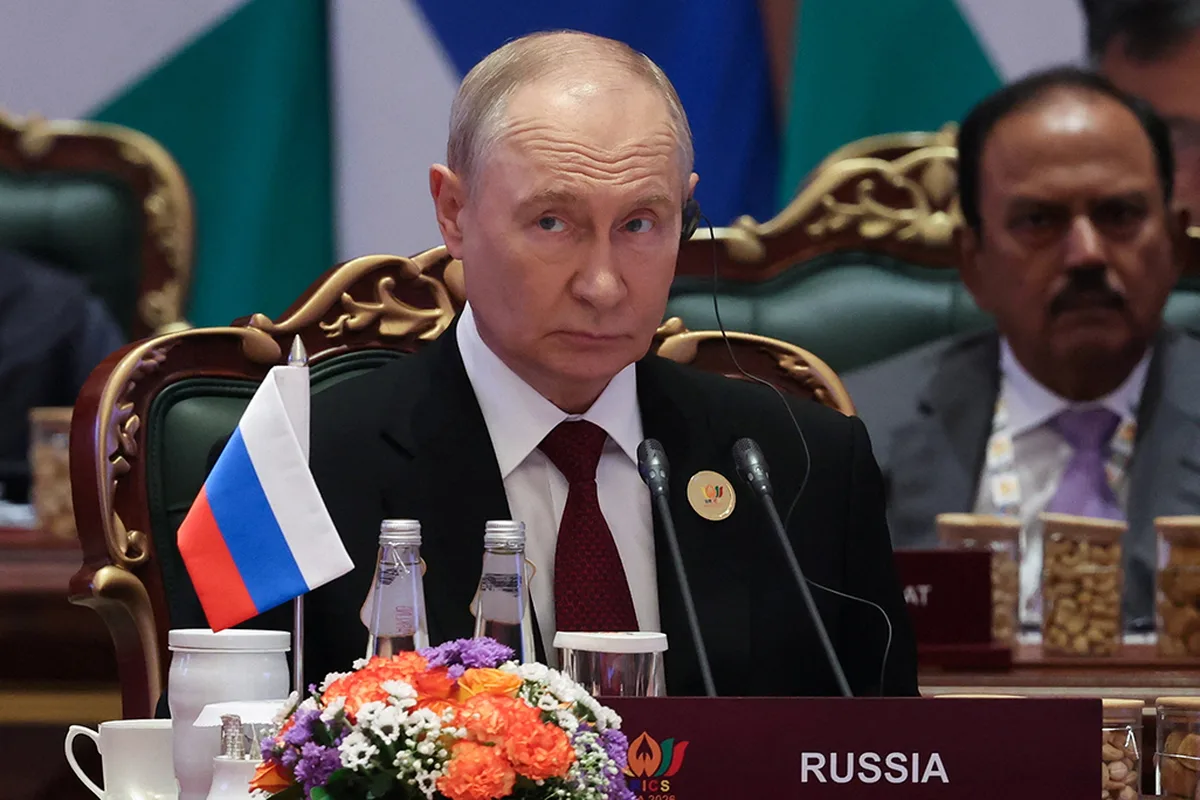
Moscow, Russia. President Vladimir Putin said on Thursday that the world was facing a dangerous moment and warned the West against escalating the standoff over Ukraine by threatening Kaliningrad. He reiterated that Russia could use all weapons in its arsenal, including nuclear weapons, if its westernmost territory were attacked.
Warning over Kaliningrad
Speaking at the Valdai Forum of international Russia experts in Moscow, Putin said Russia had no plans to attack any European country and wanted peaceful coexistence. He said Russia had no choice but to launch the war in Ukraine to safeguard its own security.
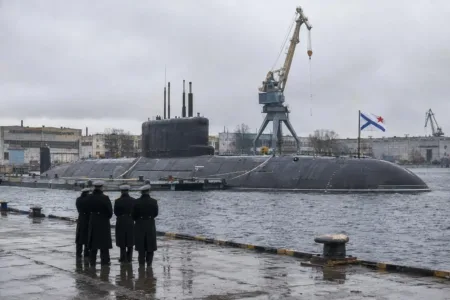
Kaliningrad, a Russian exclave between Poland and Lithuania, is heavily militarised and slightly larger than the US state of Connecticut.
“If it comes to a direct attack on the Russian Federation – in this case, we are referring to Kaliningrad, and perhaps other territories as well – the question of the Russian Federation deploying all the weapons at our country’s disposal will, of course, inevitably and immediately be on the agenda,” Putin said.
Putin said Russia recognised that it would face “an enemy (NATO) twice our size.”
“And we will have to make use of our competitive advantages in this struggle. Yes, of course, France and Britain are nuclear powers – we understand that perfectly well and are fully aware of it,” he said. “But no one else possesses the kind of weapons that Russia has today. That is our competitive advantage.”
NATO response to Russian warning
Putin’s comments followed a diplomatic note that NATO said this week it had received from Russia. The note warned that Moscow would be ready to use nuclear weapons if the alliance attempted to cut off the Baltic exclave.
The warning highlighted Moscow’s urgent concern over what it describes as a growing NATO threat to Kaliningrad.
NATO Secretary General Mark Rutte said the alliance had responded by stressing that it was a defensive alliance and that nuclear threats were not helpful.
Relations deteriorate further
Relations, already severely strained since Putin’s decision to send troops into Ukraine in 2022, have worsened this year. European governments have accused Moscow of intensifying a “hybrid war” on the continent through acts including sabotage and arson.
Russia denies those accusations and rejects repeated statements by Western politicians that it is preparing for a possible military attack on a NATO country.
Related news

This article was prepared with the help of AI based on public sources. Report an error →

Write a comment