Research finds Cyprus cannot accurately measure groundwater pumping
A Ciren investigation found inadequate monitoring prevents Cyprus from accurately calculating groundwater extraction from private boreholes.
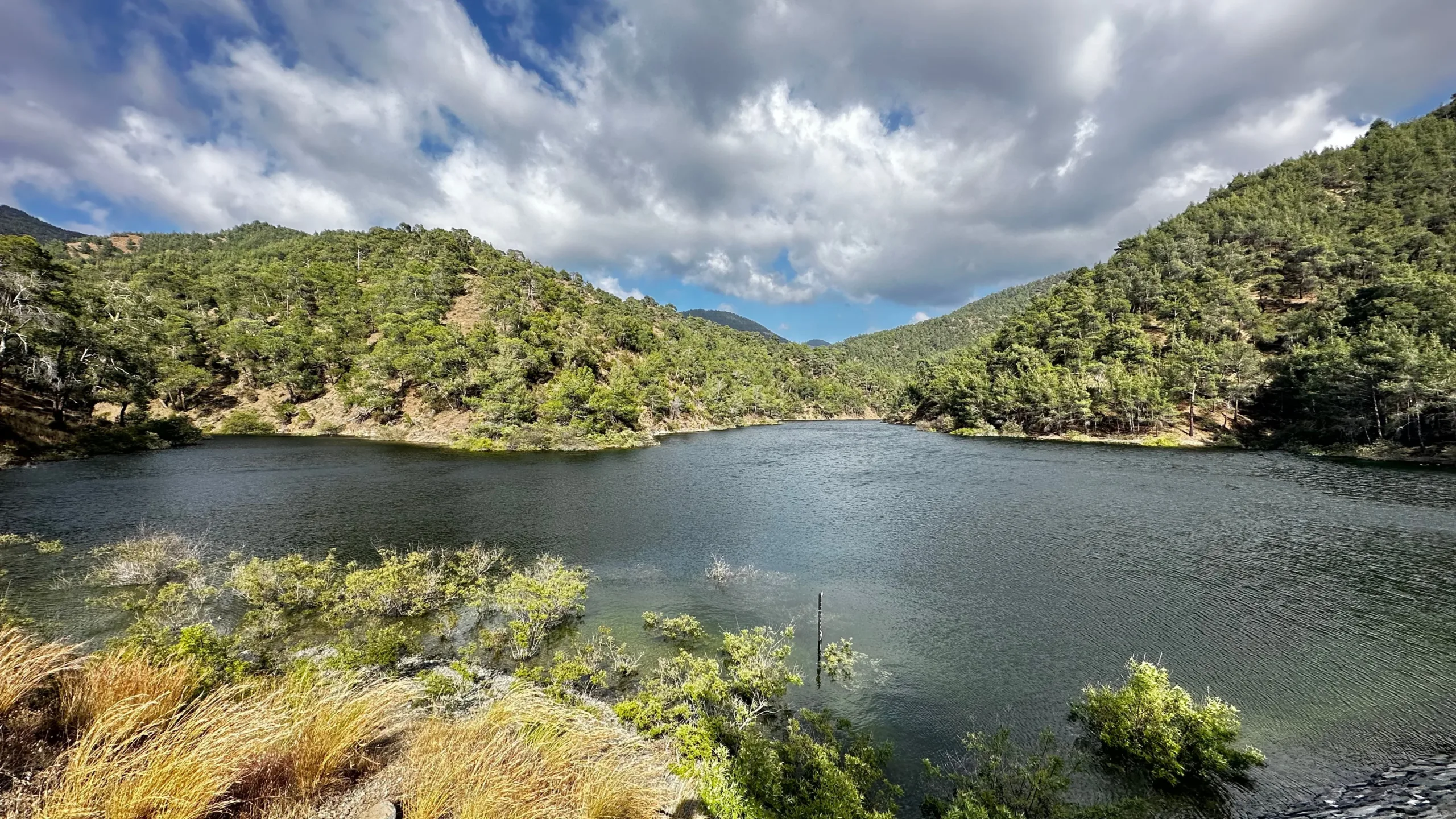
Nicosia, Cyprus. Cyprus cannot accurately determine how much groundwater is pumped each year because of inadequate monitoring, according to research published on Friday by the investigative reporting network Ciren.
The research, based on Water Development Department data and Audit Office findings, said private boreholes provide 76 per cent of irrigation supply.
Groundwater condition
Of Cyprus’s 22 groundwater bodies, 14 remained in poor condition, compared with 16 in a 2016 assessment. Nitrate pollution and seawater intrusion have negatively affected several aquifers.
The Water Development Department reported 137,548 licensed boreholes in Cyprus, including 98,720 licensed before 2010, when district authorities were responsible for the process.
Gaps in records and monitoring
Former Ecologist MP Charalambos Theopemptou told Ciren that many older boreholes remain absent from the database, limiting the department’s ability to maintain a comprehensive picture of boreholes in any area.
More recent records showed that 46,353 abstraction points had approved annual pumping limits as of March 31, 2026, totalling about 149.4 million cubic metres a year.
The Audit Office found that insufficient monitoring means the volume actually extracted from Cyprus’s groundwater bodies annually cannot be calculated accurately.
Concentration of pumping rights
About 66 per cent of abstraction points are authorised to pump no more than 500 cubic metres annually, accounting for 4.4 per cent of the total authorised volume.
By contrast, 1.4 per cent of points authorised to pump 30,000 cubic metres or more account for nearly 68 per cent of all authorised abstraction.
Monagroulli case
In Monagroulli village in Limassol district, two companies were found to have pumped more water than permitted from five licensed boreholes from 2015 onwards, reducing yields in neighbouring wells.
This news item was generated automatically by Cyprus Inform from publicly available materials. Report an error →