Spain deports migrants from Ceuta to Morocco for the first time since July’s mass crossing
Spain has sent back to Morocco a group of migrants refused asylum in Ceuta, prompting criticism from rights groups, while Madrid says the removals include all necessary safeguards.

Ceuta, Spain. Spain has returned to Morocco more than a dozen migrants from sub-Saharan Africa and Asia whose asylum applications in the Spanish enclave of Ceuta were rejected. It is the first removal of this kind from the enclave since the mass crossing of the border in July.
Government position
Spain’s Interior Ministry said Morocco had agreed to take the group back and that they are currently on Moroccan territory. The ministry did not provide numbers or nationalities. A spokesperson told Reuters that the EU regards Morocco as a safe country and that the deportations are carried out with all the necessary safeguards, without giving further details.
Charities’ account and criticism
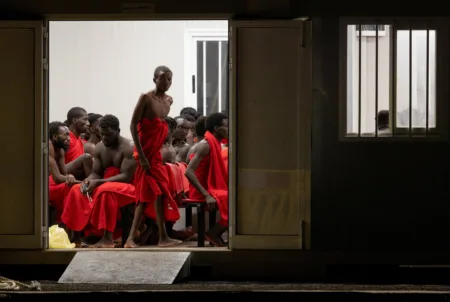
Migrant and rights organisations working in Ceuta said 16 people were deported, from Senegal, Nigeria, Yemen, Cameroon and Bangladesh. The NGOs argue that such returns ignore the dangers linked to how Morocco treats migrants from other countries. They also say the practice contradicts the values promoted by Spain’s leftist government.
Virginia Alvarez, a researcher at Amnesty International, described Spain’s stance as hypocritical. She said that, despite progressive rhetoric in Europe, Madrid is failing to safeguard the rights of people who cross into Ceuta and Melilla. “Morocco does not respect many human rights,” she said.
Morocco and the IOM
Morocco’s Interior Ministry did not reply to requests for comment from Reuters.
The International Organization for Migration works with Moroccan authorities on voluntary return programmes for migrants who are nationals of third countries. It told Reuters that it takes no part in deportations or forced removals. “Decisions on removals are the sovereign responsibility of States, and IOM has no role in determining who is removed or where they are sent,” the organisation said. It added that its voluntary programme helps migrants rebuild their lives after they choose to go back to their countries of origin.
Background
Over 48 hours in July, around 80,000 people crossed from Morocco into Ceuta. Together with Melilla, the small enclave forms Europe’s only land borders with Africa.
Related news




This news item was generated automatically by Cyprus Inform from publicly available materials. Report an error →

Write a comment