Toros says changing regional dynamics could create new Cyprus talks opportunity
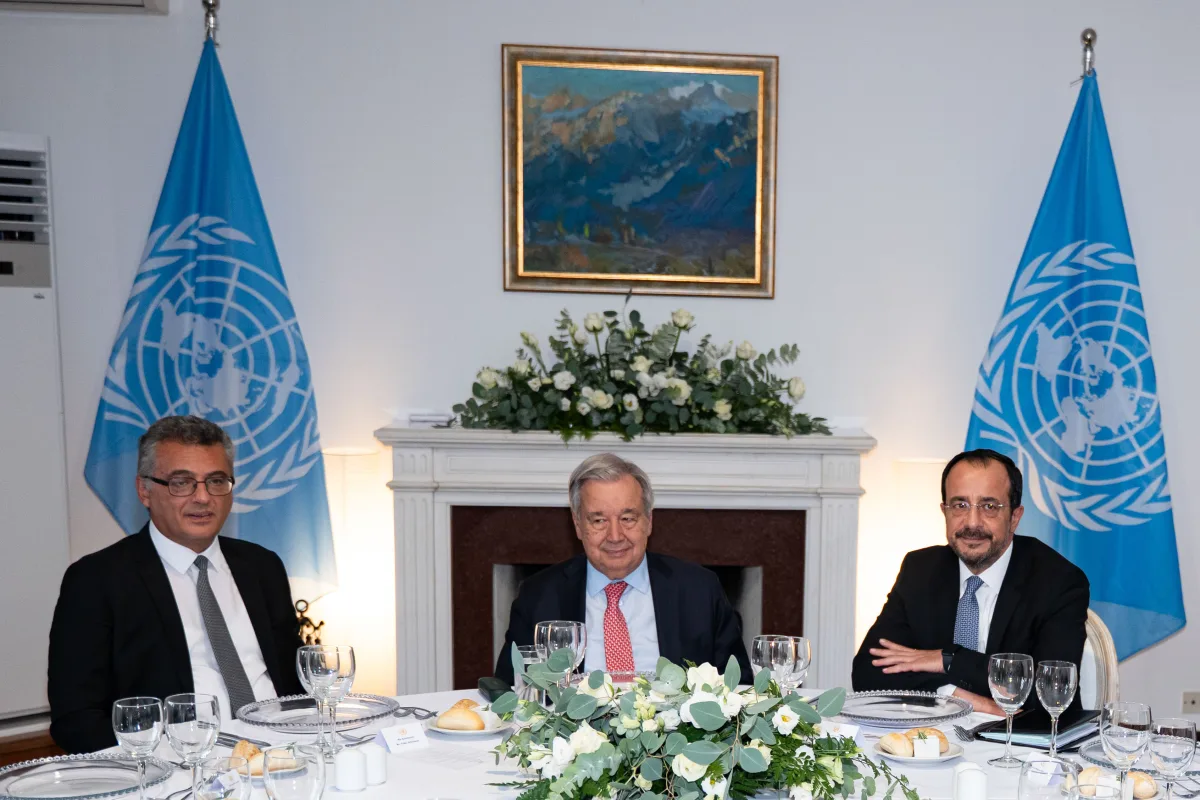
Nicosia, Cyprus. United Nations Secretary-General Antonio Guterres’ recent 48-hour visit to Cyprus ended with a commitment to convene another enlarged meeting after sufficient progress on confidence-building measures, methodology and the substance of talks.
Renewed diplomatic activity
The phrase “this time must be different”, first used by Guterres and subsequently frequently adopted by Turkish Cypriot leader Tufan Erhurman, has become prominent amid hopes for renewed progress following Erhurman’s election in October last year.
Guterres’ visit followed and was followed by intensive diplomatic contacts in Cyprus and abroad, aimed at resuming negotiations in earnest.
The visit did not produce an immediate agreement on a new crossing point. Discussions stalled over whether to separate the proposed crossings from a package of four locations agreed by all sides at the most recent enlarged meeting in New York last year.
Crossing-point dispute
The Greek Cypriot side proposed removing Louroujina, northwest of Larnaca, from the package and opening crossings near Athienou and in the eastern Nicosia suburbs of Mia Milia and Aglandjia.
The Turkish Cypriot side refused to discuss any arrangement that did not include all four previously agreed locations.
Regional context
Fikri Toros, who polling suggests could replace Tahsin Ertugruloglu in charge of the Turkish Cypriot authorities’ foreign affairs portfolio, said the current moment could differ from previous efforts to resolve the Cyprus problem.
He said the geopolitical environment around Cyprus had changed more substantially than at any point since the collapse of the 2017 Crans-Montana conference.
Toros said international actors now view the eastern Mediterranean not only through the Cyprus problem but also as central to regional stability, energy security and the developing relationship between the European Union and Turkey.
He warned that continued lack of progress could increasingly harm potential regional cooperation, particularly on security and energy. Disruptions to energy supplies and changes in the regional geopolitical balance caused by ongoing conflicts, he said, could create an opportunity not available to the same extent in earlier negotiation processes.
This news item was generated automatically by Cyprus Inform from publicly available materials. Report an error →