Traditional Cypriot doors reveal history, craft and social status
Traditional Cypriot doors varied in design and materials, reflecting local craftsmanship, building use, wealth and changing architectural styles.
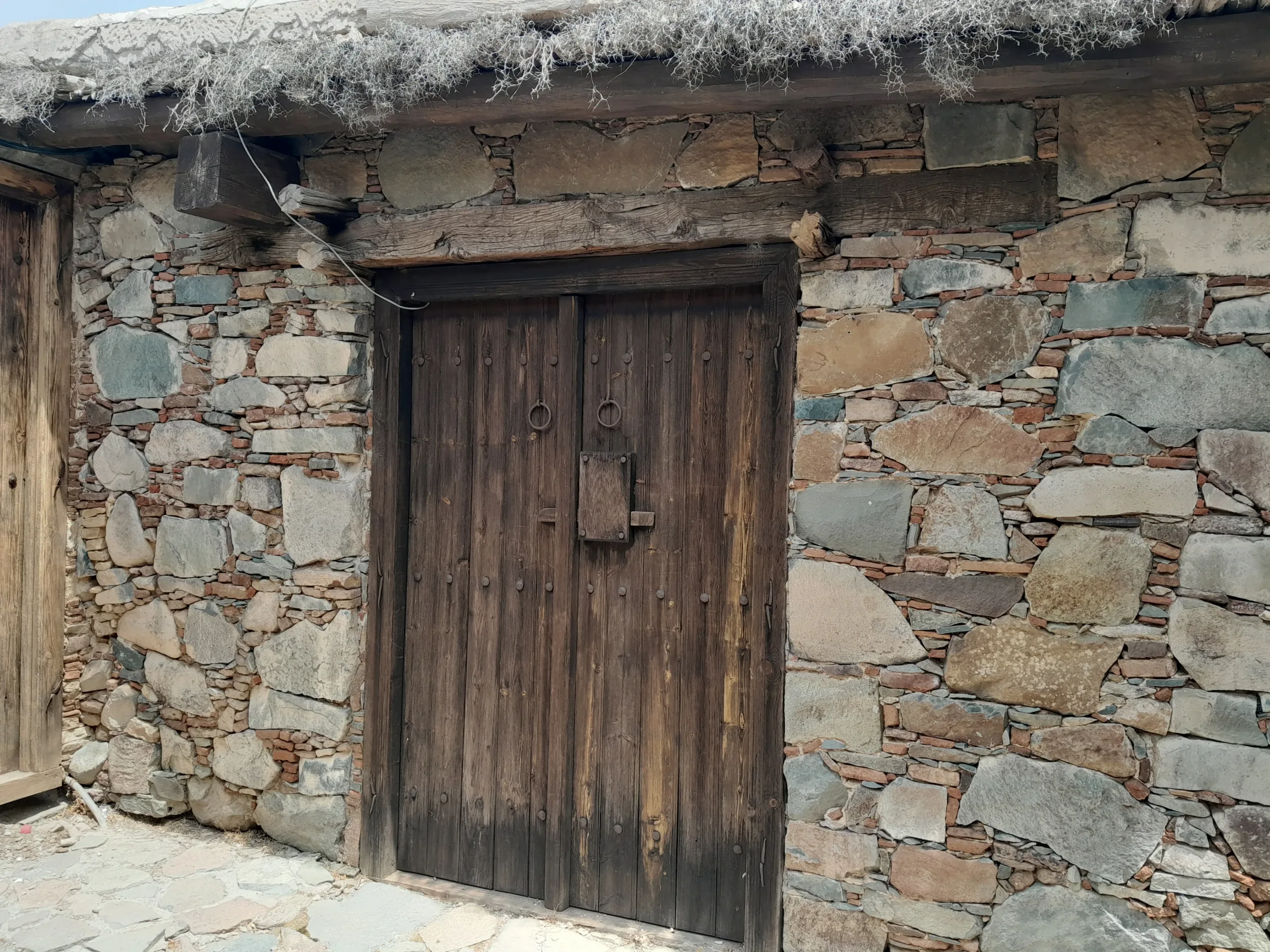
Nicosia, Cyprus. The main entrance of a traditional Cypriot home, known as a xoporti, often linked the street to a private yard and could be wide enough for residents and livestock. Its construction can reveal details about a building’s age, use and the status of its owner.
Varied designs and functions
Architect Constantinos Nioulicos, who has worked on the renovation of traditional buildings in Cyprus, said doors can provide clues about the period in which they were made, the owner’s economic status and the use of the space behind them.
Carpenter and furniture maker Michalis Socratous said there was no single recognisable type of traditional Cypriot door. One of the most basic forms was the boarded door, known to older Cypriot craftsmen as skettes, made from solid timber boards held together by horizontal wooden members.
Other doors were more complex, using frames, panels and mouldings, and were sometimes made as double doors.
Materials and craftsmanship
Maria Philokyprou, associate professor of architecture at the University of Cyprus, said rural vernacular entrances were generally simple, often rectangular and fitted with a horizontal timber lintel.
More affluent buildings influenced by urban architecture could feature carved stone frames, arches, panelled doors, skylights and ironwork.
Pine was commonly used, according to Socratous, although cypress and other materials were also used. In the Karpasia region, craftsmen sometimes used aoratos. The timber available locally, the region and the building type influenced the construction of each door.
Traditional woodworkers, known as pelekanos, used saws, planes, chisels and specialised moulding planes. Socratous said working with solid timber also required a deep understanding of the material.
The work involved metalworkers known as komodromos, who made hinges, grills and handmade locks.
Surviving examples
Many traditional wooden doors have been lost because wood does not easily survive over centuries.
Iosif Hadjikyriakos, director of the Larnaca Archives – Phivos Stavrides Foundation, said earlier examples can be found in churches and fortifications, while most surviving domestic doors in Cyprus date from the late Ottoman and British periods.
Door styles changed over time with fashion and the preferences of those commissioning them. Hadjikyriakos said a door is the focal point of a house façade and an emblem of the people living behind it.
This news item was generated automatically by Cyprus Inform from publicly available materials. Report an error →