Erhurman confirms rejection of Christodoulides’ Varosha and Famagusta port proposal
Tufan Erhurman said the proposal linking Varosha’s reopening to EU control of Famagusta port was unbalanced and repeated an initiative presented in 2006.
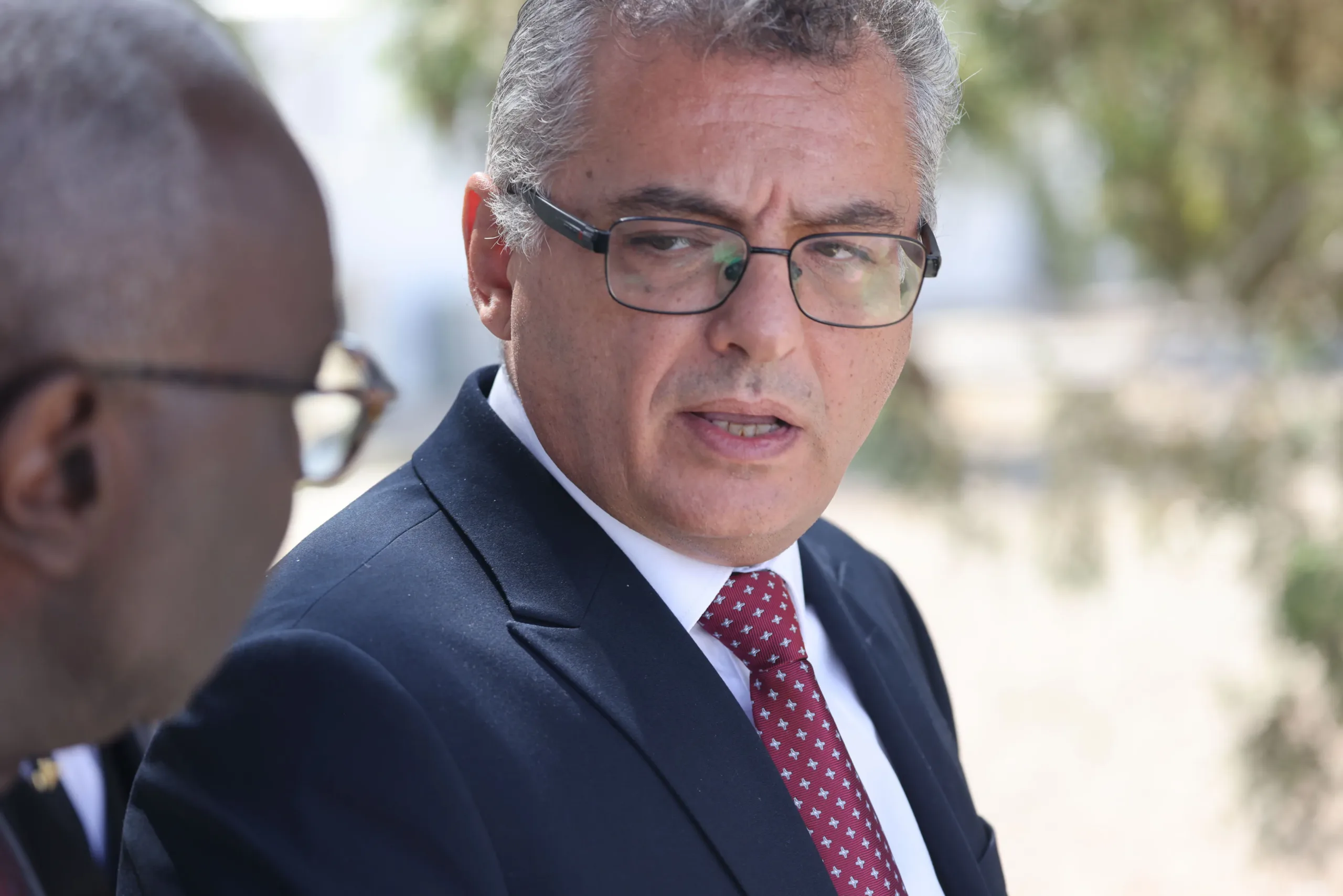
Famagusta, Cyprus. Turkish Cypriot leader Tufan Erhurman confirmed late Tuesday night that he had rejected President Nikos Christodoulides’ proposal to reopen and repopulate fenced-off Varosha under United Nations administration, alongside opening Famagusta port under European Union control. Speaking on the political talk show Er Meydani, he described the proposed exchange as unbalanced.
Disagreement over Varosha and trade
Erhurman said the proposal envisaged transferring Varosha to UN administration in accordance with Security Council resolutions, while placing Famagusta port under EU control.
He argued that Famagusta port was already open and that the difficulty facing Turkish Cypriot ports was their inability to conduct direct trade with the EU.
Asked whether the proposed arrangement would activate the EU’s direct trade regulation, Erhurman said it would not. He nevertheless said EU control of the port would allow direct trade to begin.
The regulation has been dormant since 2004, having been drafted after the Greek Cypriot side rejected the Annan plan in that year’s referendum.
Erhurman questioned whether the trade arrangement offered a balanced exchange for transferring Varosha to UN administration.
Earlier initiative and discussion points
Erhurman said an identical formula had been proposed in 2006, during Mehmet Ali Talat’s tenure as Turkish Cypriot leader. He objected to its presentation as a new initiative 20 years later and said he could not accept it.
Turning to Christodoulides’ 19 discussion points, Erhurman said he had received no document setting them out. Instead, he said, Christodoulides had raised several suggestions orally during their bilateral meetings.
Erhurman said he had taken notes but that his count of the suggestions had never reached 19.
This news item was generated automatically by Cyprus Inform from publicly available materials. Report an error →