Saudi, Turkish and Pakistani Officials Due in Iran for Talks to Ease Regional War
Senior figures from Saudi Arabia, Turkey and Pakistan were set to visit Iran on Monday, even as the Houthis launched fresh attacks on Riyadh's airport and Saudi oil facilities.
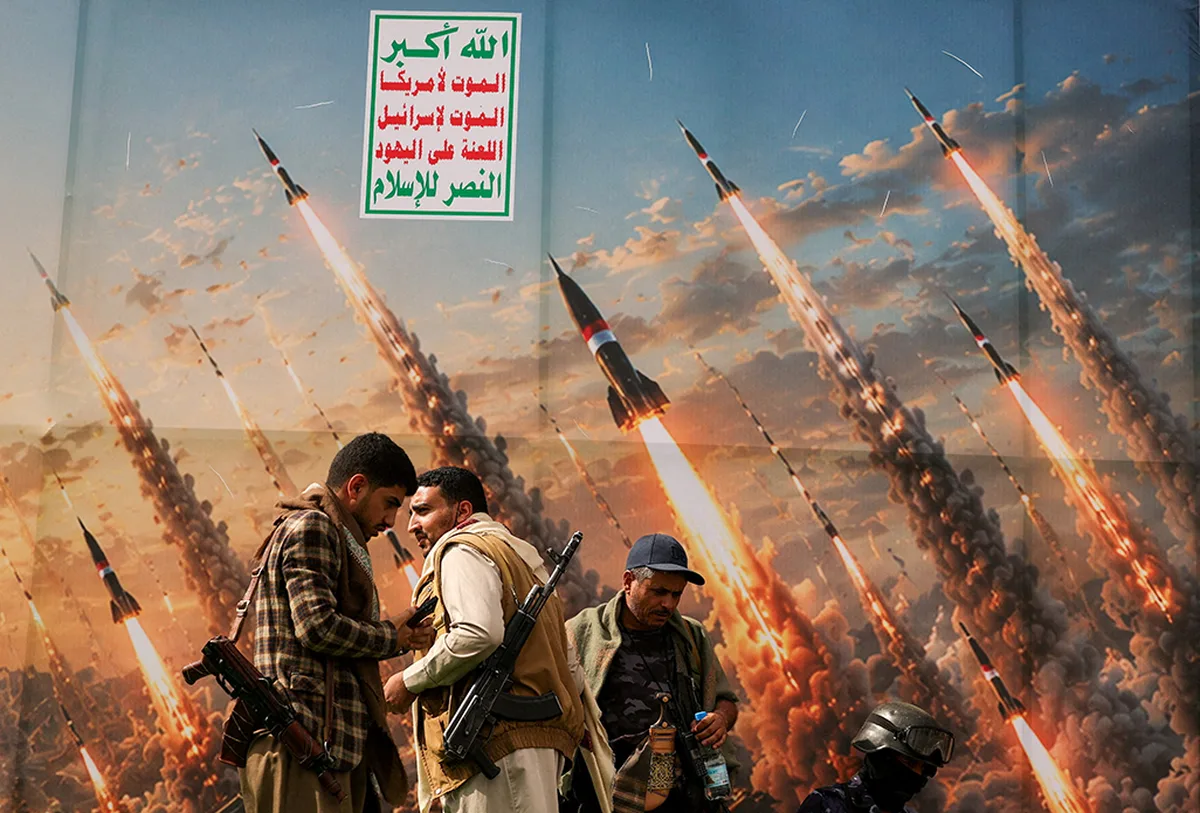
Tehran, Iran. Senior officials from Saudi Arabia, Turkey and Pakistan were expected in Iran on Monday to try to calm a regional war that has now reached the Gulf kingdom. Meanwhile, Yemen’s Houthis carried out more attacks on Riyadh’s airport and on Saudi oil facilities.
First high-level contact since the war began
The visit is the first top-level contact between Iran and the three countries, which concluded the Mecca mutual defence pact in August. The war started with US and Israeli strikes on Iran and later extended to Saudi Arabia and Yemen.
According to Saudi and Iranian officials, Saudi Arabia is sending Defence Minister Prince Khalid bin Salman, the younger brother of Crown Prince Mohammed bin Salman. Pakistan is represented by army chief Field Marshal Asim Munir, and Turkey by intelligence chief Ibrahim Kalin.
Ali Baqeri-Kani, deputy secretary of Iran’s Supreme National Security Council, told state TV that the delegations were due to hold consultations with the council.
Saudi position
The Saudi Foreign Ministry described the trip as part of an effort to ease tensions and encourage dialogue and diplomatic solutions. It said channels for negotiation must be opened to “prevent the return of military escalation”.
Earlier mediation efforts
Pakistan and Qatar have taken the lead in mediation. An official told Reuters that Qatari mediators were in Tehran on Sunday.
Previous efforts contributed to an interim peace agreement in June, but fighting between Iran and the United States soon started again. Clashes then erupted between the Iran-aligned Houthis and Saudi Arabia, a US ally, creating a new front.
Wider impact of the conflict
The fighting has curbed shipping through the Strait of Hormuz, a key energy chokepoint, and pushed global oil and gas prices higher. Gulf states have faced missile and drone attacks, and a new humanitarian crisis has emerged in Yemen.
Rising tensions between Washington and Tehran
Tensions between the United States and Iran have increased in recent days. President Donald Trump said on Friday that the US could conduct another military operation against Iran. Iranian security officials told Reuters that Tehran has prepared detailed plans to strike undersea cables in the Gulf if the United States and Israel attack again.
Earlier this year the war also revived fighting between Israel and Hezbollah, the Iran-backed Lebanese armed group. The conflict has weighed on Trump’s approval ratings ahead of the midterm elections, which will determine control of Congress.
This news item was generated automatically by Cyprus Inform from publicly available materials. Report an error →