UN warns of growing Himalayan glacial flood risks after Nepal disaster
A U.N. official warned that millions in the Himalayan region face rising risks from glacial floods after a glacier collapse in Nepal killed more than 1,000 people.
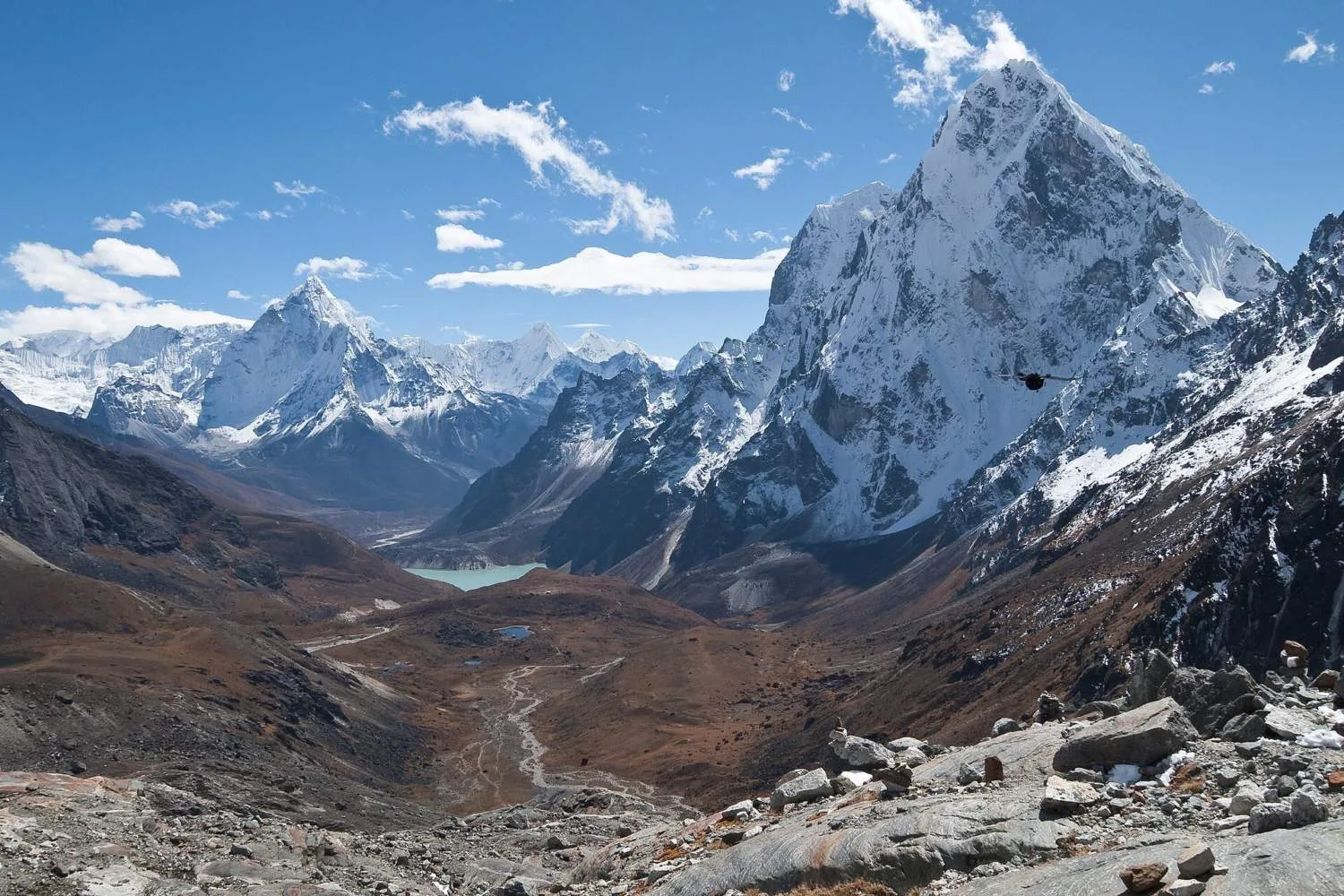
Kathmandu, Nepal. The Himalayan region faces increasing risks from glacial floods, a senior U.N. official said, after last week’s glacier collapse in Nepal triggered a flood that killed more than 1,000 people.
Hydroelectric power supplies and riverbanks inhabited by millions of people are threatened as climate change accelerates glacier melt, according to the United Nations.
Risks to communities and infrastructure
“Technology cannot move fast enough to prevent loss along these massive river systems that catch the overflow of the glacier lakes,” Kanni Wignaraja, a U.N. assistant secretary-general, told Reuters.
Wignaraja, who is also regional director for Asia and the Pacific at the United Nations Development Programme, said the population at risk “goes into the millions”, citing updated data compiled by UNDP and partner organisations in June.
She said entire riverbanks where millions of people live could become effectively uninhabitable, while hydroelectric power relied on by many communities is also under threat.
Glacier collapse and lake outbursts
Last week’s flood in Nepal occurred after parts of a glacier near the Langtang Lirung mountain peak collapsed onto the valley floor. The collapse unleashed a landslide that sent a flood wave down the Trishuli River.
Glacier lake outbursts are a different phenomenon, occurring when melting glacier water accumulates behind a natural barrier. Pressure can eventually cause the barrier to break or overflow, sending flash floods downstream.
Growing number of dangerous lakes
Researchers identified 47 potentially dangerous glacial lakes in Nepal, China and India in 2020, although the actual number has since been estimated to be significantly higher.
Potentially dangerous glacial lakes have been found across large parts of the Hindu Kush region. U.N. officials say both glacier collapses and lake outbursts are becoming more likely as climate change speeds glacier melt, loosens rocks and increases pressure on glacier lake barriers.
Wignaraja also said the region’s relatively young mountains are more susceptible to tectonic shifts, which can trigger sudden glacier or lake-barrier collapses.
This news item was generated automatically by Cyprus Inform from publicly available materials. Report an error →