US Midterm Voters Weigh Prices and Tariffs Against Strong Jobs and Growth Data
Ahead of the November 3 elections that will determine control of Congress, Americans are focused on the economy, where persistent inflation sits alongside low unemployment, solid growth and record stock market highs.
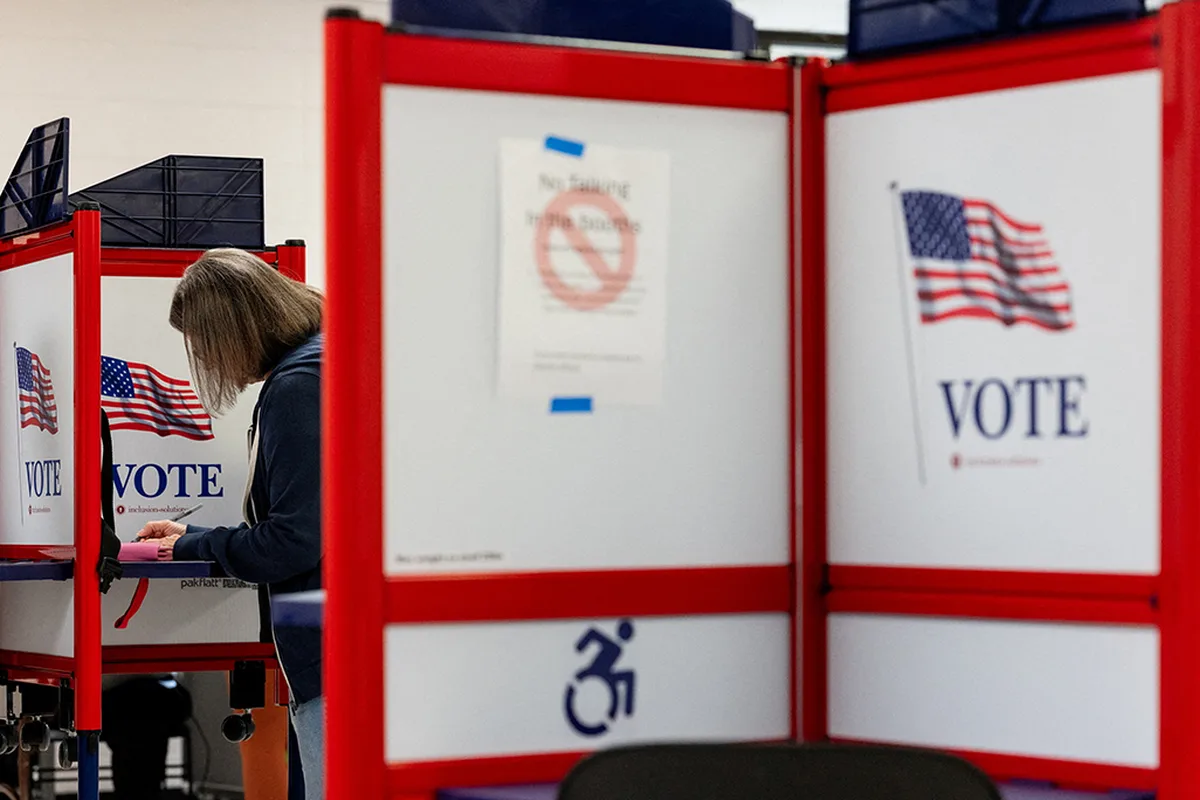
Washington, United States. Voters go to the polls on November 3 in elections that will decide whether President Donald Trump’s Republican Party retains control of Congress, with the economy and rising prices at the centre of their concerns. Many blame his tariffs and the war with Iran for stubborn inflation, although the economic data present a mixed picture.
Mixed economic signals
Unemployment is historically low, employment has reached a record level and overall growth is solid. Until recently, the boom in artificial intelligence investment pushed share prices higher, boosting the retirement savings of millions of people.
Related: Democrats Win Congress as Voters Punish Trump Over Iran War and Fuel Prices
 RelatedDemocrats Win Congress as Voters Punish Trump Over Iran War and Fuel Prices
Inflation works against that momentum. It is well below its level of a few years ago, but it remains high enough that people notice it at petrol stations, on utility bills and in restaurants.
A sceptical electorate
Trump is not a candidate in this vote, but voters are judging his economic record. Consumer surveys indicate that sentiment has generally worsened since his second term started in January 2025. The picture is not uniform: the Conference Board’s widely followed confidence measure improved in October, while the University of Michigan’s consumer sentiment index fell to close to a record low.
Brian Jacobsen, chief economic strategist at Annex Wealth Management, explained that the confidence index follows the broader economy. The sentiment index is “more personal”, he said, because it asks people about their own finances and how affordable their lives are. He added: “Sentiment is the bigger driver of election outcomes, but confidence is the bigger driver of markets.”
Labour market resilience
Employers are not hiring heavily, and recent graduates are finding it difficult to get work. Even so, companies are not carrying out large-scale layoffs, and weekly claims for unemployment insurance are close to a 57-year low. Unemployment stood at 4.2% in September and has not exceeded 4.5% for five consecutive years, the longest such run on record.
Households appear to sense this. The Conference Board tracks the difference between consumers who describe jobs as plentiful and those who say work is hard to find. That gap grew last month, pointing to a better employment outlook.
Stock market and spending
The leading US equity indexes have set dozens of record highs this year, a point Trump regularly makes to audiences at his rallies. Most Americans own some shares, though higher-income households hold considerably more.
Spending by those wealthier households, supported by the growing value of their investments, has helped sustain consumer demand, a major engine of economic growth. Figures released last week showed the US economy expanded at an annualized rate of 3.4% in the latest quarter, its best result this year.
Related news



This news item was generated automatically by Cyprus Inform from publicly available materials. Report an error →

Write a comment