US vows toughest sanctions in history on Iran amid conflict and oil market pressure
US Treasury Secretary Scott Bessent said Washington would impose sweeping sanctions on Iran, arguing economic pressure could reduce the need for major military action.
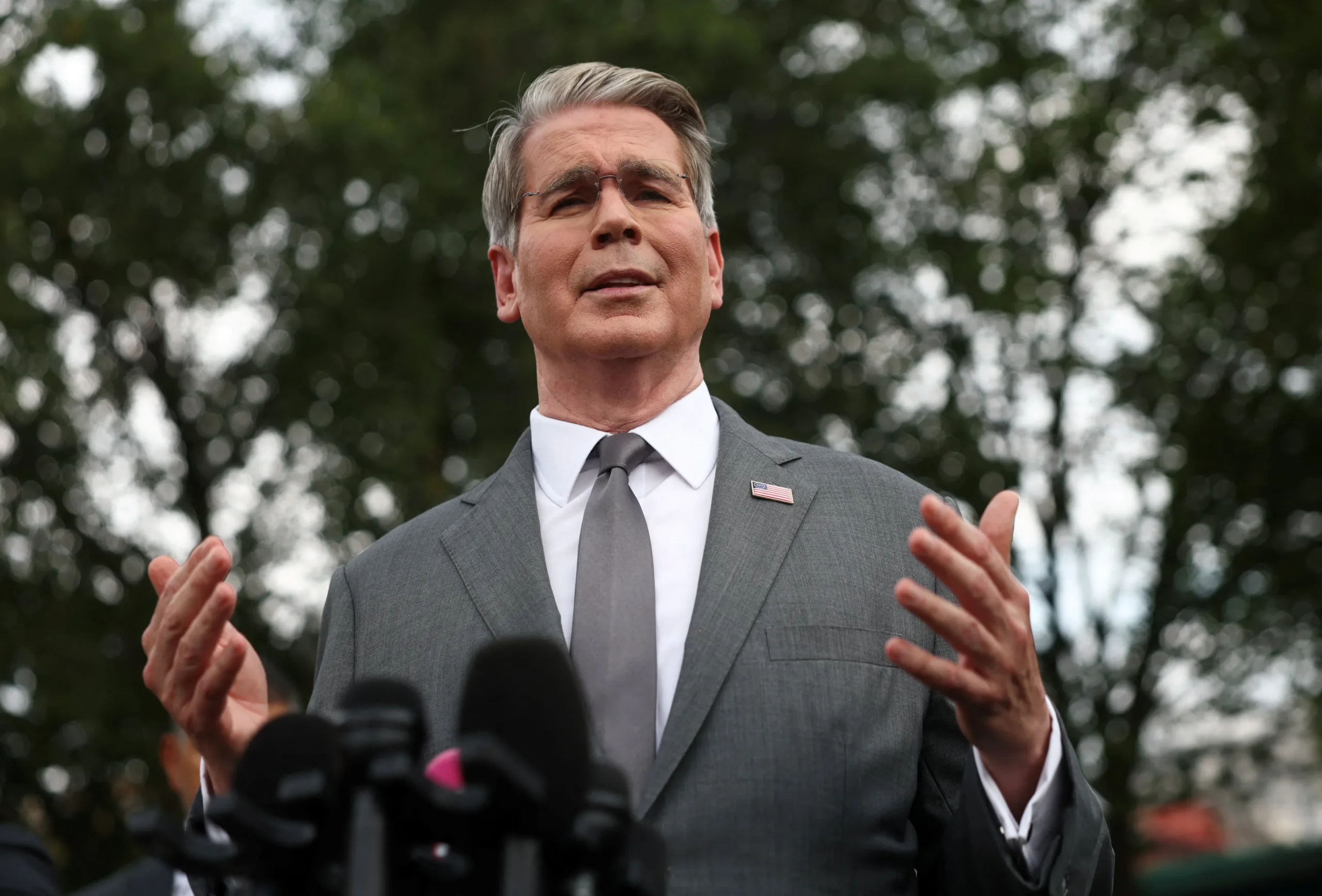
Washington, United States. The United States will impose “the toughest sanctions in history” on Iran, Treasury Secretary Scott Bessent said on Thursday, describing economic measures that he said could lessen the need for new major military operations against Tehran.
The comments followed President Donald Trump’s threat of “Economic Warfare” and his warning of consequences for any country providing “any type of lifeline to Iran.”
Sanctions and blockade
Bessent told CNBC that the planned measures would combine a blockade on Iran with unprecedented sanctions.
“It is a one-two punch. We have the blockade (on Iran), and we are going to have the toughest sanctions in history,” he said, referring to a US naval blockade imposed on Iran in April and paused for a month in mid-June.
He said he would provide further details on the measures during a press conference on Monday.
“It is going to work in Iran and we are going to collapse this regime. It is time for our allies and the rest of the world to make a decision,” Bessent said.
Oil prices and conflict
Oil prices rose to more than a three-week high on Thursday after the US threats of financial penalties aimed at ending a conflict that has lasted nearly six months and stranded millions of barrels of Middle Eastern oil.
“I’m not sure why oil has popped up on this,” Bessent told CNBC. “If we are doing the maximum economic pressure, then that means that likely there will not be a large-scale kinetic restart,” he said, using a term referring to military force.
Thousands of people have been killed in the conflict, which has drawn in Gulf nations and shaken markets as Iran demonstrated its ability to restrict shipping through the Strait of Hormuz. Before February, the waterway carried about one-fifth of globally traded oil.
The United States and Iran announced ceasefire agreements in April and June to restore the free flow of shipping through the Strait of Hormuz and pursue an end to the conflict, but both agreements quickly collapsed.
Iranian response
Iran’s foreign ministry condemned US economic and trade sanctions before Bessent’s remarks, describing them as “economic terrorism” that would target ordinary Iranians and amount to crimes against humanity.
This news item was generated automatically by Cyprus Inform from publicly available materials. Report an error →