The Monastery of the Most Holy Mother of God, Sfalangiotissa
About the place
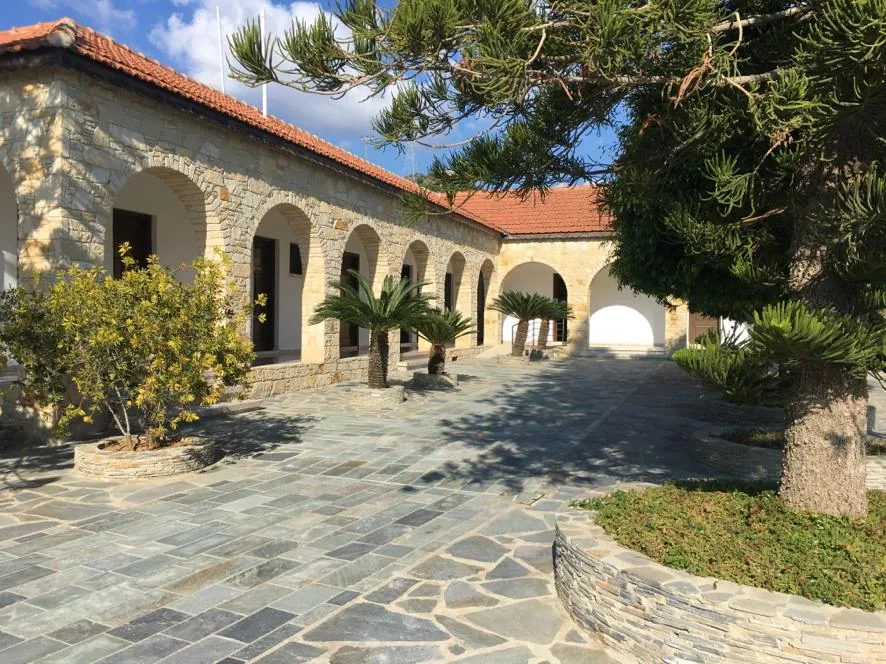
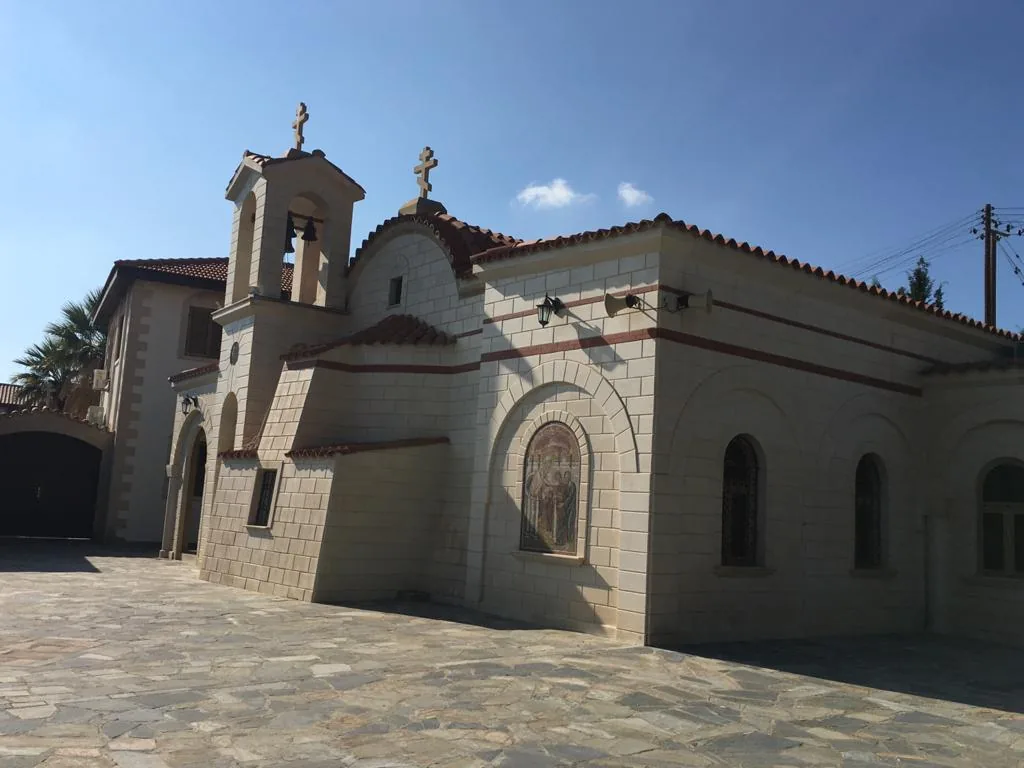
The Monastery of the Most Holy Mother of God Sfalangiotissa is situated very close to the city of Limassol.
It’s hard to believe, but you can get there in 10 minutes and find yourself in a completely different world.
The monastery’s history dates back to 1574.
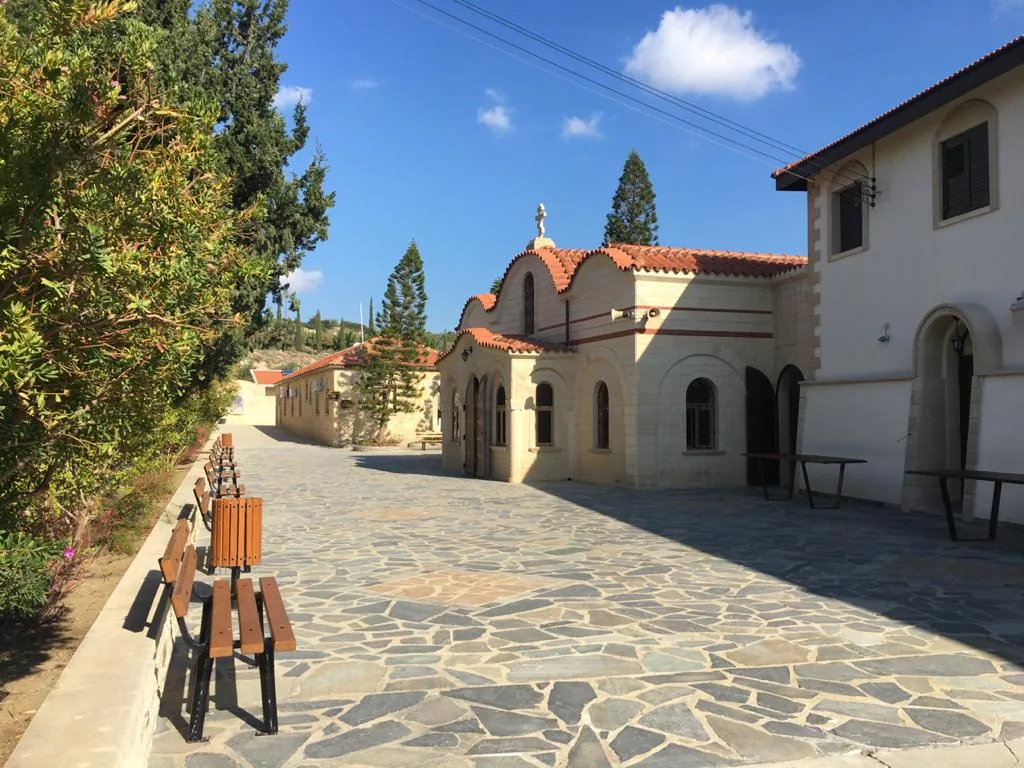
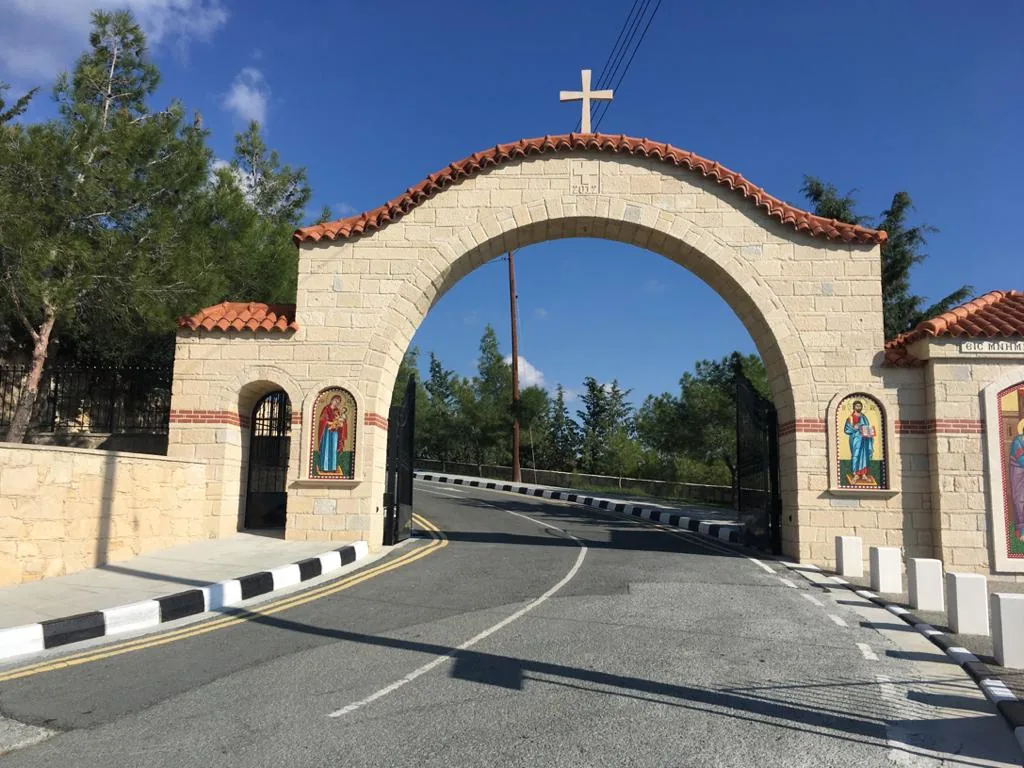
The monastery takes its name from the icon housed within the church.
People who had been bitten by the poisonous ‘σφαλαγγι’ insects would turn to the icon of the saint for help and be healed.
Originally, the monastery was a men’s monastery. It withstood attacks by the Turks and remained standing, but was abandoned for a time.
The inhabitants of the village of St Afanasi, Germaso and other nearby settlements heard from the elders that once, whilst attacking the monastery, the Turks had taken the holy icon of Sfalangiotissa from the church and thrown it into thickets of wild scrub about 1.5 km from the monastery. This atrocity was witnessed by a Muslim, who later showed the Christians where the icon was. In a procession accompanied by prayers, the faithful found and returned the icon of the Mother of God to the church.
The monastery had been abandoned and was in need of care and maintenance; it was leased by the metropolitan see to a cattle farmer, who, unfortunately, turned it into a cattle yard.
However, the devout local residents did not abandon this cherished tradition and continued to visit the monastery church to light the oil lamp before the miraculous icon of Sfalangiotissa.
Every year, on Tuesday of Bright Week, the Liturgy was solemnly celebrated here. This holy place has always been a spiritual oasis for Orthodox Christians seeking spiritual refuge and solace here.
In 1977, a group of nuns from the Monastery of St George Alaman, with the blessing of Archbishop Makarios III, moved into the monastery after it had lain derelict for a long time.
The first nuns found the monastery in a pitiful state: the cells and the church itself were half-ruined, and the garden had run wild. With God’s help and the intercession of the Most Pure Sfalagiotissa, work began on the restoration of the monastery church. Later, the cells were also rebuilt. The first nuns, who laid the foundations for the monastery’s revival, endured many hardships and privations, but the Most Holy Mother of God comforted them on more than one occasion and showed her miraculous help and care for Her monastery and sisters.
We shall recount a few of the many such miracles.
Miracles of the Convent
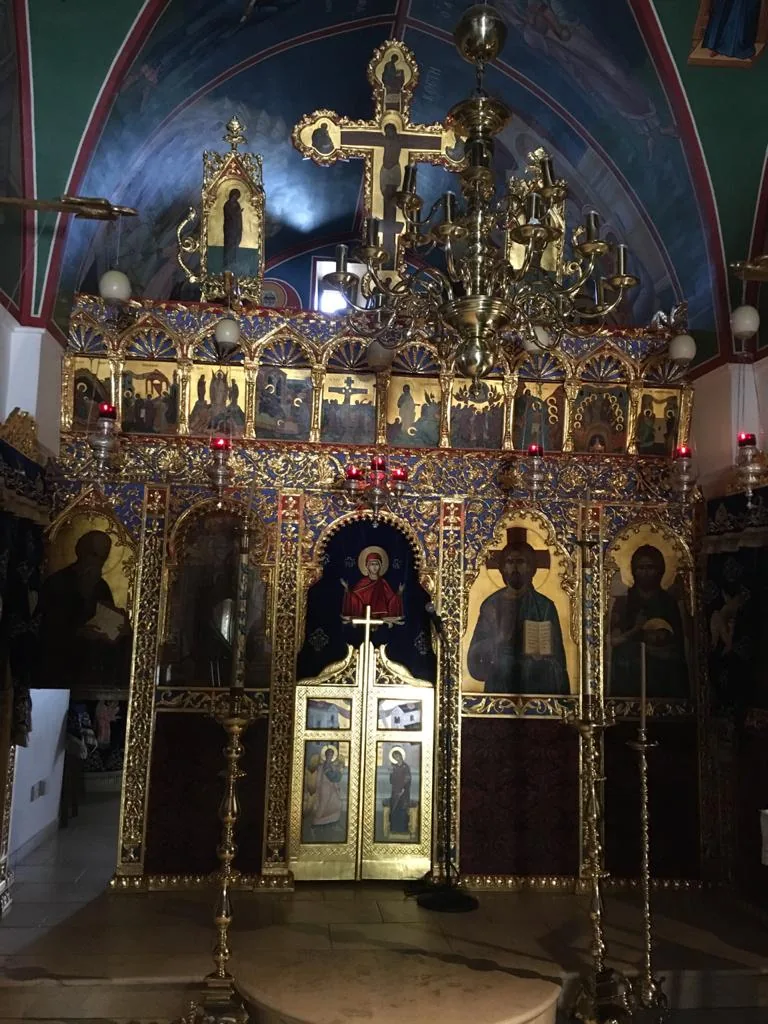
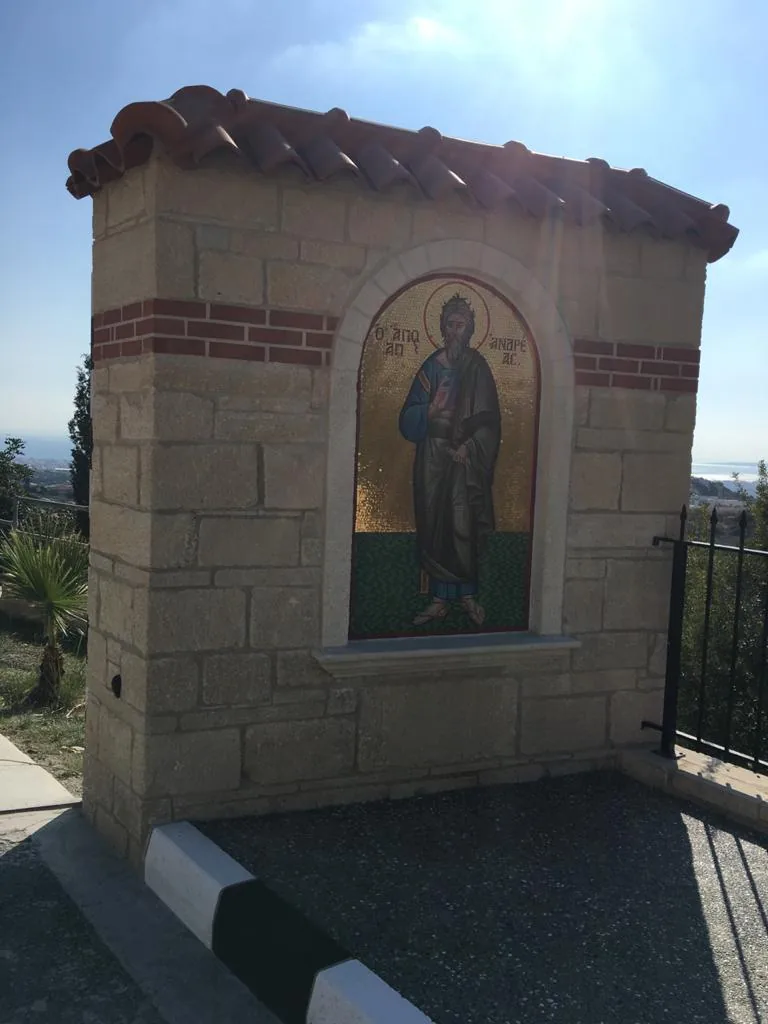
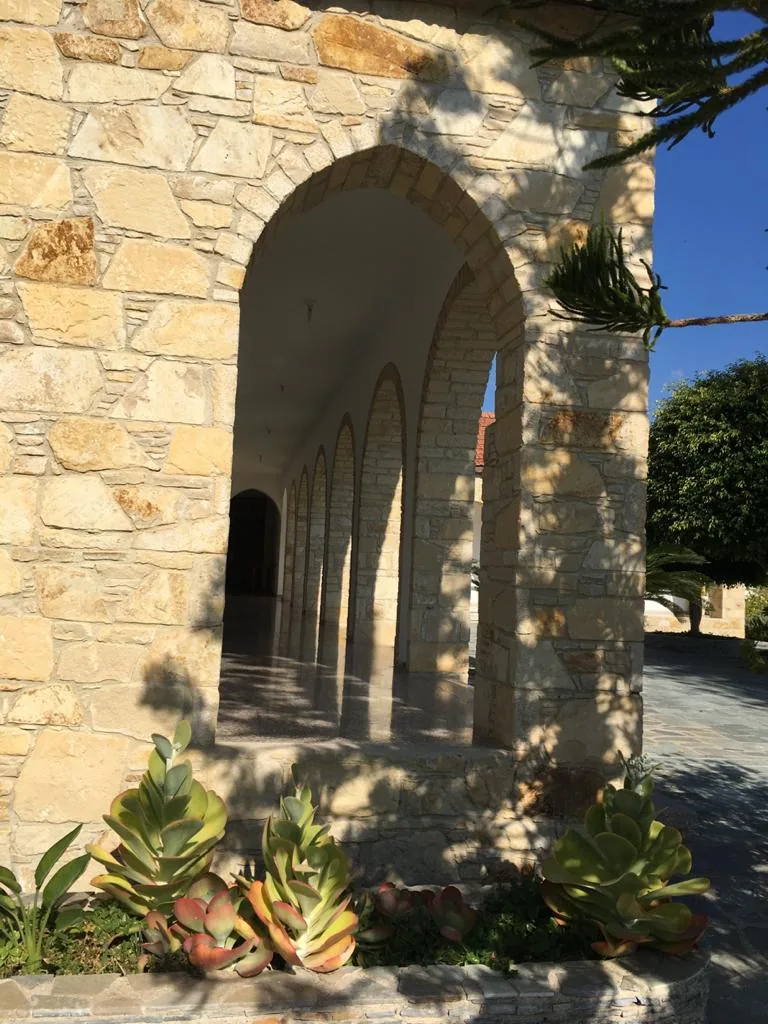
One of the workers at Stavroneofita, Charalampos Odysseos, recounted that in 1946 he found a notebook bound in sheepskin; the manuscripts recounted the history of the monastery. Among the many events described therein is the following incident. A monk who had travelled from afar was bitten by a poisonous scorpion. His suffering was unbearable, and he cried out loudly for the help of the Most Holy Mother of God. That evening, the Most Pure One appeared to him in a vision and commanded him to go to Her home to be healed. But when the monk asked, ‘Who is She?’ and ‘Where will he find Her?’, the reply came: ‘I am the Most Holy Sphalangioissa, and you will find Me beyond Limassol!’. When the ailing man reached Limassol and told his story to the locals, they escorted him to the village of St Athanasius, to the spot where the icon of the Mother of God Sphalangiotissa was kept. As he drew nearer to that holy place, his suffering gradually lessened. After a short walk, the monk and the local residents accompanying him reached a small cave where the icon stood, with a lamp burning before it. Having venerated the icon with prayer and reverence and received healing, the monk wished to remain there to devote himself to monastic asceticism. Later, he was advised to move to the nearest monastery of St Nicholas (the ‘Cat’s Monastery’), and he did so.
The Donor
However, the image of the Most Holy Sphalangiotissa constantly occupied the brother’s thoughts and gave him no peace. Therefore, having once received the blessing of his elder, the monk set out once more on his journey to the icon of the Most Holy Lady Sphalangiotissa. When he reached the cave, the Mother of God Herself suddenly appeared to him and commanded him to follow Her, showing him the way to Her spring. Thus, the Most Pure One and the monk walked about 1 km north of the spot where the icon had been. Coming to a halt, the Mother of God instructed the monk to dig and find holy water. The Mother of God wished for a church to be built with the help of Christians. Thus the monastery was founded, where the monk, healed by the Mother of God, began his monastic life. In time, others who longed for the monastic life began to gather around him. A monastic community was formed. Unfortunately, it is not known whether monastic life at the monastery continued uninterrupted or was interrupted. According to surviving accounts, it is known for certain that during the years of Ottoman rule the monastery was deserted.
The Healing of a Turk
A Turk from the village of Mesaorias was stung by a scorpion. His head swelled up and his eyes were closed shut by the swelling. His relatives, knowing of the miracles of the Most Holy Sphalangioissa, brought him to the monastery. They laid him before the holy icon of the Mother of God and prayed to Her for healing, and the sufferer received what he had asked for. He soon recovered.
A Dying Turkish Woman
One of the Muslim women living there fell ill with an incurable disease. The doctors she consulted gave her no hope of recovery. Inevitable death awaited the woman!
One evening, the sick woman saw the Mother of God in a dream, who promised her healing. The Turkish woman shared this joy with her husband. In the morning, she set off for the monastery with her husband. Upon arriving at the church and bowing before the holy icon of the Mother of God, the couple prayed for her healing. The sick woman began to feel better and very quickly made a full recovery. As a sign of gratitude, her husband donated a large plot of land in the Petrolona area to the monastery.
A woman from the village of St Afanasy wanted to sell a dish belonging to the monastery. One evening, the Mother of God appeared to her and said: ‘Do not sell the dish! Soon My monastery will come to life, and My nuns will settle here; then you shall give it to them!” This happened in 1974, that is, three years before the arrival of the first sisters.
The time of the first abbess’s consecration was drawing near; as the abbess was originally from Lefkara, a place renowned for its embroidery, the sisters were distressed that they did not have liturgical vestments for the Holy Altar and the Royal Doors embroidered in this glorious style. However, the Most Holy Sphalangiotissa Herself undertook to make up for what was lacking! A few days passed. A woman named Maria visited the convent. In her hands she held a parcel containing the embroidery needed to adorn the church! Maria told the sisters that one night, in a dream, she had seen the Most Holy Mother of God, who had instructed her to bring this embroidery to the convent. With reverence and indescribable emotion, recognising in this a clear sign of the Mother of God’s care and assistance for their monastery, the sisters accepted the gift.
The icon of the Most Holy Mother of God of Sfalangiotissa is venerated as miraculous. During times of drought, the faithful carry the holy image in a procession to the place where it was hidden, and the prayers of the Orthodox are always answered. Following the procession and a prayer service through the intercession of the Most Pure Mother of God, the Lord sends the long-awaited rain. There are also testimonies of healings from cancer, infertility, heart conditions, skin diseases, eye ailments and many other illnesses.
Workshop
The monastery has its own workshop where you can commission the making of liturgical vestments, iconostases, personalised icons and festive icons. Orders are even dispatched to various cities and countries.
You can arrange memorial services, commissioned liturgies, forty-day memorial services, annual memorial services and prayers to the Mother of God. There is no charge for church memorial services! Everyone donates according to their own wishes and means.
For enquiries regarding orders for liturgical vestments, icons and memorial services, please call: and
There is a Russian-speaking nun at the monastery, and one of the sisters also speaks English, French and Spanish.
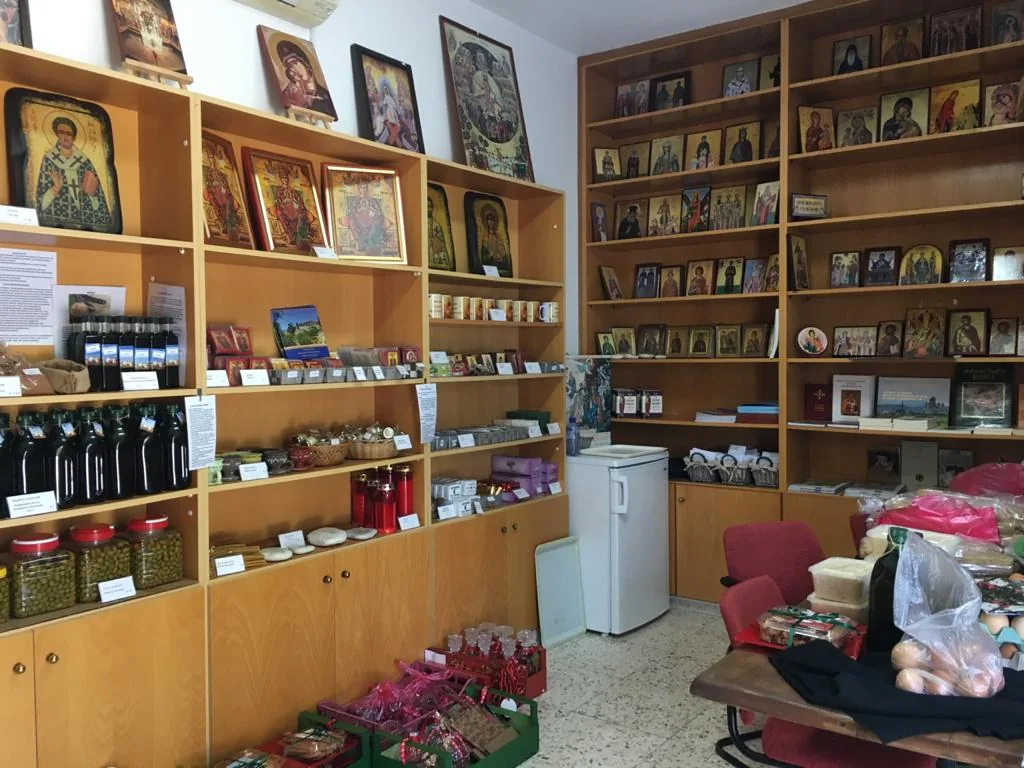
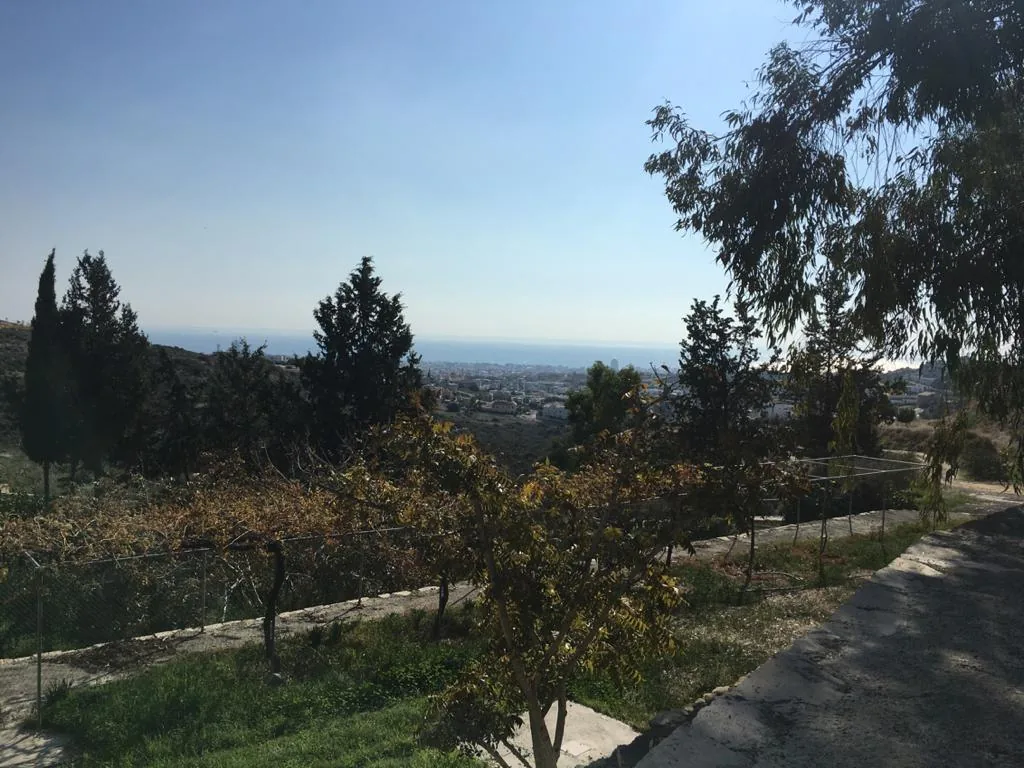 Visitors can purchase freshly baked monastery bread, free-range eggs, collect holy water and enjoy the atmosphere of peace and serenity at the monastery.
You won’t want to leave! Truly, these holy places fill us with strength and God’s grace.
More information about the monastery can be found here