Christmas in Cyprus: traditions, treats and a visit
Christmas traditions, melomakarona, kourabiedes and a family meal. How to be a guest and check the programme for the Christmas village in Cyprus.
Checked: 3 October 2026.
How Christmas is celebrated in Cyprus
In the Greek Orthodox tradition of Cyprus, Christmas is celebrated on 25 December; the festival combines church services, family gatherings and seasonal customs. For visitors, the practical choice is simple: accept a family’s invitation, attend an open service whilst respecting its order, or opt for a public festive programme.
Not everyone on the island follows the same tradition: families, religious communities and personal preferences vary. A description of local traditions does not mean that every household adheres to every detail. It is better to ask your hosts about their celebrations than to check whether they match a list of ‘essential Cypriot customs’.
Christmas forms part of the festive season, which lasts until Epiphany. However, the family Christmas dinner and the New Year’s tradition of cutting the vasilopita are distinct customs. This distinction helps us understand which day an invitation, a dish or a story relates to, without lumping all the winter festivities together into a single ritual.
The house, the preparations and the festive atmosphere
Decorations and preparations set the mood long before the family get-together. You can see lights in the streets, decorated shop windows and Christmas trees in people’s homes, but the decorations in any given town depend on its programme. A photograph from last winter does not confirm that the same display has been put up this season.
It is a good idea for a guest to ask in advance what time to arrive and what part of the day will be spent together. Some invitations are for lunch, whilst others are for an evening visit after the service. Clarifying this avoids any awkwardness should a brief visit unexpectedly turn into arriving late for a meal that is already on the table.
If you’d like to help, suggest a specific task and wait for a reply. Don’t move the refreshments around, don’t open the oven and don’t change the decorations without being asked by the hosts. At a family celebration, taking part means paying attention to the people there, rather than trying to organise the ‘proper traditional Christmas’ yourself.
Melomakarona and kourabiedes
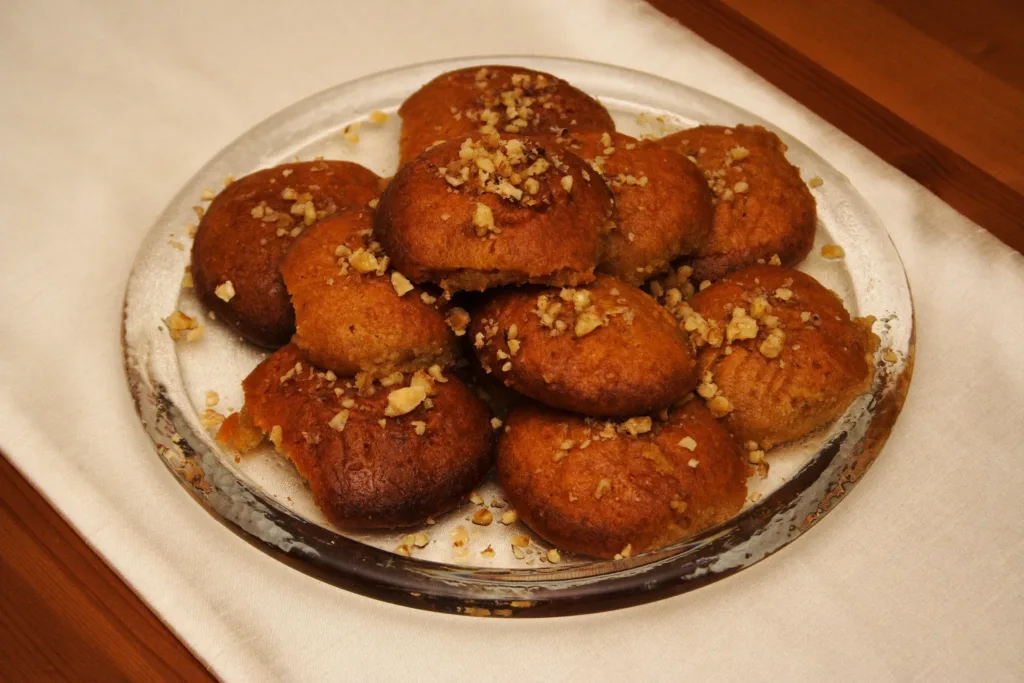
Melomakarona are festive sweet biscuits served with syrup; kourabiedes are recognisable by their distinctive sugar coating. It’s worth remembering both names before visiting a bakery. However, the appearance does not reveal the exact ingredients: family recipes, additives and the size of the pastries may vary.
When buying a selection, ask the shop assistant to name each sweet and explain how to store it. To try them out, it’s best to choose a small selection rather than a large box of a single type you’re unfamiliar with. This makes it easier to compare the texture and flavour, and when giving them as a gift, you can tell the recipient which items you’ve chosen and why.
Please check with the baker regarding nuts, dairy products and other ingredients if the ingredients are important to you. A festive name does not guarantee a specific recipe or suitability for a particular dietary restriction. Do not assume a sweet is suitable simply because it is offered during a period of fasting.
Bread and the family table
Christmas breads and meat dishes are described in accounts of winter customs, but the family table is not set to a single, fixed pattern. Ask what has been prepared specifically here and what the dish is associated with. That way, the conversation centres on genuine family memories rather than checking whether traditions have been followed.
Christopsomo is associated with Christmas baking, but the presence of this bread in a particular home is not necessarily expected. Not every decorated item in the shop window needs to be called by this name. If you’re interested in its festive significance, ask the shop assistant or the owners to explain the name and the reason for making it.
When you are invited, let your hosts know about any important dietary restrictions in advance, without expecting them to completely reorganise the meal. You could ask what has already been planned and what you are allowed to bring with you. When choosing dishes to try, opt for those with clearly listed ingredients; turning down a single dish does not mean you are refusing to socialise or showing a lack of respect for the occasion.
Kalanda and religious observance
Kalanda are festive songs that form part of the winter tradition. When you hear one being sung, find out which festival the lyrics relate to and who is singing. A recording of a concert performance and a house-to-house visit to offer festive greetings are different situations; each has its own specific circumstances regarding interaction, filming and guest participation.
When visiting a place of worship, please follow the congregation’s guidelines: service times, visitor access and photography policies may vary. Please do not block the aisles or take close-up photographs of worshippers without their consent. If you are unfamiliar with the customs, simply observe quietly and ask where it would be appropriate to stand.
Stories about the kallikantzaroi and other figures from winter folklore should be regarded as folk traditions. They help us to understand the figurative language of the festival, but do not constitute historical evidence or a binding belief for all believers. Ask the storyteller to explain which version is remembered in their family.
Christmas villages and the season’s programme
Public Christmas villages offer the chance to see markets, craft workshops and performances outside private homes. For the 2026–2027 season, Visit Cyprus has specified the period from 21 November to 6 January. This general timeframe does not mean that every venue is open every day with the same programme of events.
The published timetable includes weekends and public holidays, with daily activities running from 21 December to 6 January. Before you travel, please check the page for your chosen village: opening hours, activities and bookings are subject to its specific programme. The general programme does not replace confirmation of a specific workshop.
A mountain village and a coastal town require different travel plans and clothing. In winter, allow plenty of time for the return journey, check the route conditions and ensure your chosen venue is open. Don’t plan your trip solely around the prospect of a snow-covered landscape: the weather and accessibility can change, and snow isn’t a prerequisite for a holiday.
How to be a considerate guest
If you’re visiting someone’s home, ask whether a small gift or a treat would be appropriate. A pre-arranged box of sweets is usually more appropriate than an unexpected large dish that needs to be served separately. If the invitation does not specify the format, a quick enquiry to the hosts will help with what to wear, the time, and the choice of gift.
Please seek separate permission for photographs of children, guests and the interior of the house, apart from permission to attend the party. Posting a photo online is another matter you should ask about. You can still capture the atmosphere without taking portraits: take a photo of the agreed-upon decorations or note down the name of a dish you particularly enjoyed.
You should check the public programme before your visit, and enquire with your hosts about any family-related details. This guide provides cultural highlights and the confirmed general dates for the season; specific addresses, prices and timetables are not guaranteed in advance. The best way to experience the festival is to focus on the specific community and the people involved.
Continue planning
- Public holidays and opening hours in Cyprus
- Troodos: villages, trails and routes through the mountains of Cyprus
- A leisurely 3-, 7- and 10-day itinerary around Cyprus
Official sources
- Cyprus National Commission for UNESCO — winter festive customs
- Cyprus Food Museum — melomakarona
- Visit Cyprus — Christmas villages 2026–2027
Melomakarona; illustration of festive baking · Photo: Alexander Baxevanis · CC BY 2.0 · converted to WebP and resized.
.jpg)
…and Christmes in Syrie