Cyprus and Schengen: current status and travel rules
Whether Cyprus is in the Schengen area, how Cyprus visas and residence permits work, and what to check before travelling between Cyprus and Schengen countries.
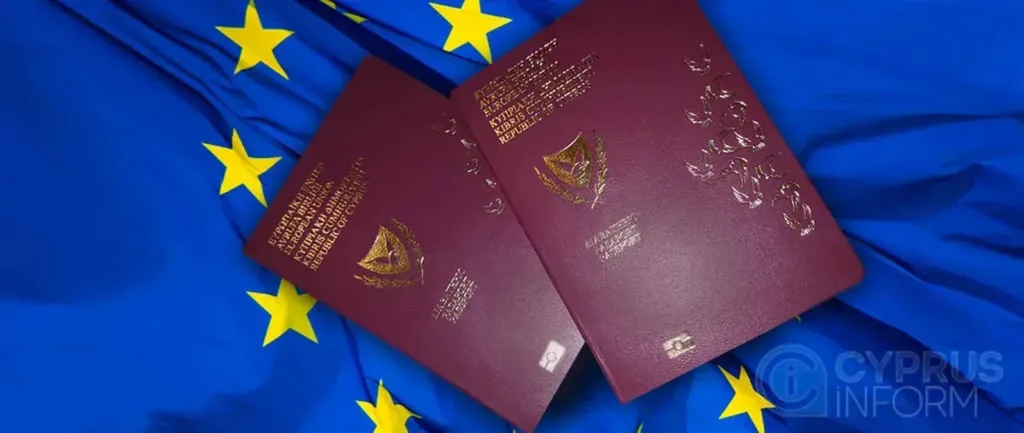
In brief: As of 9 September 2026, internal border controls between Cyprus and Schengen countries have not been lifted. Cyprus participates in parts of Schengen cooperation but does not yet apply the Schengen acquis in full, so entry to Cyprus and entry to the Schengen area remain separate legal journeys.
What the current status means
Cyprus is a member of the European Union and uses the euro, but EU membership does not by itself remove border controls. The Council of the EU states that controls at the internal borders with Cyprus remain in place.
Access to individual information systems is not the same as full Schengen membership. A change becomes operational only through an official decision and an announced effective date, not through a forecast or a political target.
Cyprus visas and Schengen visas
Cyprus currently issues national short-stay visas valid for the Republic of Cyprus. A Cyprus visa is not a Schengen visa and does not by itself authorise travel to another Schengen country.
Admission to Cyprus with a visa or residence document from another country depends on the current Cyprus rules, nationality, document type and itinerary. Check the official Visas page and the competent Cyprus mission before buying a ticket.
What a Cyprus residence permit does
A residence permit issued by the Republic of Cyprus to a third-country national is not currently a Schengen residence permit. It confirms residence and return rights in Cyprus subject to the conditions of that particular permit.
For travel from Cyprus to a Schengen country, verify the visa requirement attached to your passport. Do not automatically apply rules for residence permits issued by Schengen states to a Cyprus document.
How to monitor a change
Check both the Council of the EU page listing the Schengen area and the Cyprus Ministry of Foreign Affairs guidance. If the position changes, the effective date and any transitional rules will determine what travellers can actually do.
Do not rely only on news headlines about intended accession. For a real journey, the operating rules are the carrier checks, valid passport, entry authorisation and official requirements in force on the day of travel.
Checks before you apply
- check the current Schengen country list on the Council website;
- confirm the right to enter Cyprus separately from the right to enter a Schengen country;
- verify the validity of the passport, visa and residence card;
- do not treat a projected accession date as an operating rule;
- save the official requirements applying on the date of travel.
Distinguish between four different issues
The phrase ‘Cyprus and the Schengen Area’ can refer to entry into the Republic of Cyprus, entry into a Schengen Area country, transit by road, or the rights of a residence permit holder. Make a note of the countries, airports, dates, nationality and each document separately. Only then should you apply the rule to the specific situation.
Visas and residence permits confirm different grounds for entry and are not universal passes. The name of the document, its validity period, the number of entries, the purpose of the trip and the competent authority are more important than the colour of the sticker or card. Check the original document and the official description, rather than relying on a friend’s account of a similar journey.
A transfer is also a separate scenario. Whether you can remain within the transit area depends on the airport, your through ticket, your luggage and your nationality. If you need to collect a suitcase or change airports, the route may require an entry permit that would not be required for an airside transit.
How to check your itinerary before booking
Map out the sequence of all border crossings, including the return journey. For each leg, specify the document required, its validity on the date of travel, the remaining validity period and the carrier’s rules. The airline checks your boarding status, but its response does not replace the decision of the border authority and does not confer the right of entry.
Check the information on the relevant country’s portal and at the consulate if the situation is not clearly described. Ask your question using specific details, without providing unnecessary personal information. A reply such as ‘Schengen visa is valid’ is too general: you need to specify the issuing country, the type of visa, the number of entries, the days used and the route.
Do not book a non-refundable, complex itinerary until border requirements have been confirmed. If your trip depends on a disputed interpretation, choose an option with fewer border crossings or more flexible conditions. Save the official links and the date you checked them, but double-check them closer to your departure date.
What a potential accession would change
A political statement, technical preparations and a legally binding decision are different stages. Current rules apply until the official date. Do not change your visa strategy based on a news headline, an official’s forecast or a promise from an intermediary unless there is a published act and transitional conditions.
Following the decision, the rules on entry, the calculation of days’ stay, the issuing of visas and the use of residence cards may change. The transition does not necessarily take place at the moment of the announcement. The relevant authorities must specify the date, the required documents, applications already submitted and any exemptions; it is these clarifications that form the basis for action.
Keep an ‘evergreen’ page without a specific date and maintain a log of updates. Whenever there is a significant change, check not only the summary but also the original legislation, official Q&As and practical guidelines for consulates and transport operators.
Personal checklist
Check the spelling of your name, passport number, document expiry dates and the number of permitted entries. Cross-check these against your tickets, accommodation and purpose of travel. A single-character error or an expiring document cannot be rectified by a general reference to the country’s status.
Obtain confirmation of your itinerary, accommodation, funds and insurance to the extent required by your circumstances. Keep these documents accessible without needing an internet connection. Do not hand over your original passport to an intermediary unless legally required to do so, and check who is receiving payment and what service they are obliged to provide.
If there is a discrepancy between an official source and private advice, request written clarification from the relevant authority. This information helps to clarify the issue but does not determine an individual’s right of entry. The final assessment is based on nationality, travel documents, itinerary and travel dates.
Official sources
- Council of the EU: the Schengen area explained
- Cyprus Ministry of Foreign Affairs: CY-VIS and Schengen status
- Republic of Cyprus: official visa information
Information checked on 9 September 2026. Migration rules, forms, fees and processing times can change; verify them on the official website for your own circumstances before applying.