Entry and visas for the Republic of Cyprus
How to check whether you need a visa, the permitted stay, a lawful route and the documents for entry to the Republic of Cyprus.
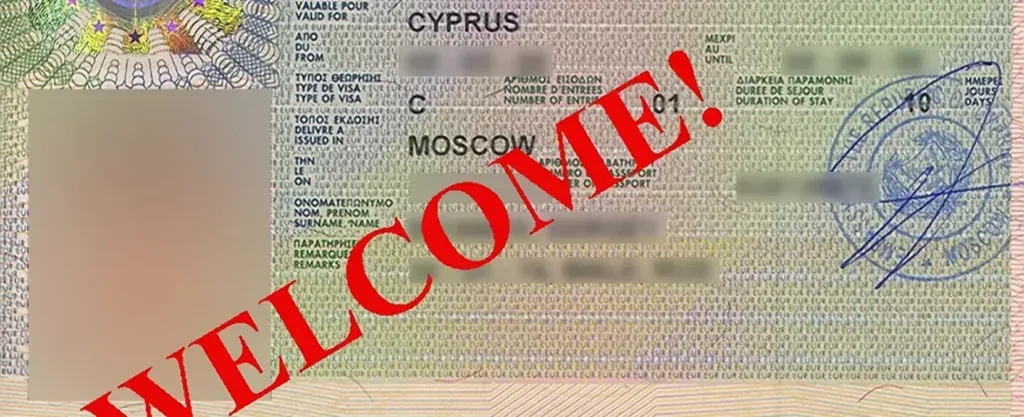
In brief: Entry is determined by more than the word visa. Nationality, passport type, purpose and length of stay, existing visas or residence cards and the arrival route all matter. Use the official Cyprus guidance and the competent mission rather than a universal list on a third-party website.
Define your case first
Identify nationality, travel-document type, purpose, intended number of days and previous stays. A short visit is generally framed by a maximum of 90 days in any 180-day period, but visa exemption depends on nationality.
Employment, study, family reunification and residence require their own legal route. Tourist admission or visa-free entry does not replace the authorisation required for a long-term purpose.
A Cyprus visa is not a Schengen visa
Until Cyprus applies the Schengen acquis in full, the Republic issues national visas. They are valid for Cyprus and do not by themselves authorise a visit to another Schengen country.
Some valid visas or residence documents issued elsewhere may be recognised under Cyprus entry rules, but the conditions differ. Check the exact document type, entries, validity and days already used on the official page.
Route and legal point of entry
The official air entry points of the Republic are Larnaka and Paphos airports; the Ministry of Foreign Affairs also lists the legal seaports. Arrival through an area where the government does not exercise effective control has separate legal consequences.
Crossing the Green Line after lawful entry to the Republic is a different matter governed by separate rules. Do not confuse entry across the national border with movement across the line within the island.
Documents and final confirmation
Carry a valid passport and evidence supporting the purpose and conditions of the trip. Depending on the case, the carrier or border authority may check onward travel, accommodation, means and admissibility.
For dual nationality, an expired residence card, an unusual travel document or a complicated transit, obtain written guidance from a Cyprus diplomatic mission. This guide does not make an individual admission decision.
Checks before you apply
- identify nationality and travel-document type;
- count days in the applicable 180-day period;
- check whether and which Cyprus visa is required;
- confirm that the itinerary uses a legal point of entry;
- recheck the requirements with the carrier and the official authority.
Please describe your trip before selecting the form
Start by stating your nationality, country of habitual residence, purpose of visit, duration and full itinerary. Tourism, visiting family, work and study may require different grounds for entry. Having accommodation or an invitation confirms some of the circumstances, but does not in itself determine the appropriate type of permit.
Specify all airports and land crossings. Entry into areas outside the effective control of the Republic of Cyprus and subsequent travel to controlled territory should not be considered equivalent to arrival via an authorised point of entry. Check the legal implications with the relevant authorities before purchasing tickets.
If children or dependent family members are travelling, check each person’s requirements separately. A joint ticket does not constitute a single travel document. Consents, certificates, translations and proof of kinship may be required; the exact requirements depend on nationality, route and family circumstances.
How to gather evidence
Compile a list using the official checklist provided by the relevant consulate. Against each item, indicate whether it is an original, a copy, a translation, its validity period and the issuing authority. Do not substitute a missing mandatory document with a lengthy explanation unless the authority has explicitly confirmed an acceptable alternative.
Bookings must be consistent with one another: the dates of transport, accommodation, insurance and leave must not contradict the declared trip. A fake or cancelled booking creates a risk of refusal and further consequences. Use terms and conditions that allow you to change your plans without distorting the information in your application.
Financial evidence must demonstrate the source and availability of funds, not just the balance on a single day. Do not use someone else’s document without a clearly explained legal basis. If expenses are covered by a sponsor, check the sponsorship form and documents relating to the sponsor in the official guidelines.
Submission, biometrics and waiting period
Check who is accepting the application: the consulate, a visa centre or another authorised channel. A private assistant does not constitute an issuing authority. Book your appointment with plenty of time to spare, taking into account public holidays, possible requests for additional documents and passport delivery.
When submitting your application, check the receipt, case number and list of original documents accepted. Do not leave your passport or payment without confirmation. If you are called for an interview or biometric appointment, follow the official invitation and do not pay for promises to expedite the decision through an unauthorised channel.
The processing time is a rough guide, not a guarantee. Do not purchase a non-refundable service if a decision has not yet been made. Send status enquiries via the specified channel, quoting your case number, and avoid making multiple, conflicting enquiries through different representatives.
After the decision and at the border
Once you have received your visa, check your name, passport number, dates, number of entries and duration of stay. Report any errors to the issuing authority before your trip. Holding a visa entitles you to request entry, but border control assesses your documents and circumstances at the time of arrival.
Have your return itinerary, accommodation address, insurance and proof of purpose of visit to hand, if required. Answer questions accurately and do not conceal any changes to your plans. If your application is refused, ask for an official document and details of the appeal process; do not argue with the officer and do not sign any text you do not understand without a translation.
Comply with the authorised duration and purpose of your stay. Extensions or changes to your status do not occur automatically due to flight cancellations, illness or a new job offer. In the event of unforeseen circumstances, contact the relevant authority before your permit expires and keep evidence of the circumstances.
Official sources
- Republic of Cyprus: official visa information
- Migration Department: entry and re-entry in Cyprus
- Ministry of Foreign Affairs: legal points of entry
Information checked on 9 September 2026. Migration rules, forms, fees and processing times can change; verify them on the official website for your own circumstances before applying.