Snakes in Cyprus: avoidance and what to do after a bite
Eight snake species are recorded in Cyprus; the Department of Forests says one is dangerous to humans. Keep your distance and call 112 after a bite.
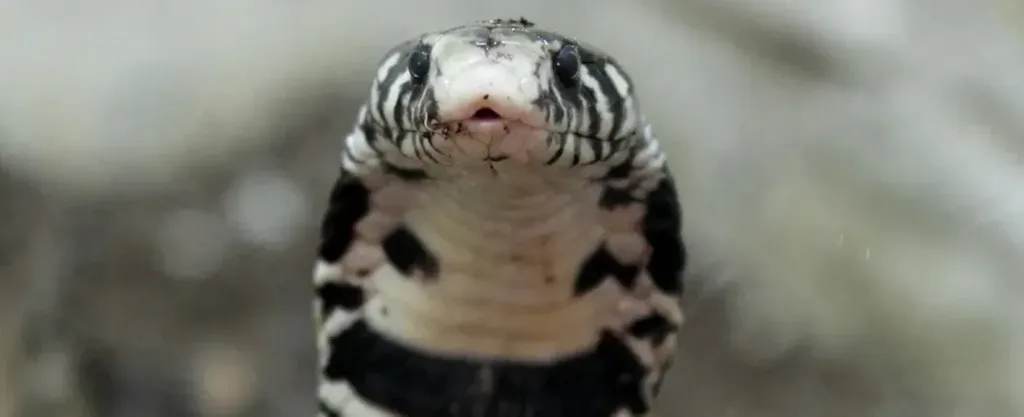
In brief: the Cyprus Department of Forests records eight snake species on the island. Three are venomous, but only one — the blunt-nosed viper (Macrovipera lebetina) — is dangerous to humans. Do not approach a snake to identify or catch it. Step back calmly and leave it an escape route. After any bite, call 112 and follow the dispatcher’s instructions.
Which snakes live in Cyprus?
The official Department of Forests fauna page lists eight species and states that, of three venomous species, only one poses a danger to people. It also describes non-venomous Cyprus and black whip snakes and the rare Cyprus grass snake. Snakes have an ecological role and a number of species are protected.
Colour, size and markings can look different with age, light and posture. You do not need a close identification to make the safe choice: keep away from every unknown snake.
Where an encounter is more likely
A snake may shelter in long grass, around rocks and dry-stone walls, beside streams, on agricultural land or in gardens. Reptiles are more active in warm weather, but an encounter is possible outside peak heat. Moving logs, stones or garden debris can create unexpected contact.
- wear closed footwear and watch the ground on walks;
- do not put hands into gaps, under rocks or into dense vegetation;
- use a light after dark;
- keep children and dogs close on unfamiliar paths;
- avoid unmanaged piles of boards, stones and rubbish around a home.
What to do when you see a snake
- Stop and do not approach.
- Move back slowly without blocking the snake’s route.
- Move children and pets away.
- Do not touch a motionless or apparently dead snake.
- Do not try to catch or kill it for a photograph or identification.
If a snake is inside a building or somewhere you cannot withdraw safely, keep the area isolated from a distance and contact emergency services for instructions.
What to do after a bite
A snakebite requires urgent medical assessment even if pain is mild and the species is unknown. The World Health Organization describes snakebite envenoming as a potentially serious medical condition and explains that specific treatment belongs in the health system.
- Move away from the snake to prevent another bite.
- Call 112. Cyprus’s official tourism portal lists this island-wide number for ambulance, police and fire emergencies.
- Stay calm, minimise unnecessary movement and follow the dispatcher’s instructions.
- Do not cut the wound, try to suck out venom or experiment with home remedies.
- Do not risk another contact by attempting to capture the snake. A description is useful only if it is already known from a safe distance.
Do not wait for symptoms before seeking help. This page does not replace medical assessment or select a treatment.
How to reduce the likelihood of an encounter
On the trail, wear closed-toe footwear, watch your step and do not put your hands into crevices, under rocks or into dense vegetation. Stick to the marked route. A walking stick helps you gauge your stride, but is not intended for striking or attempting to reach an animal.
In your garden, clear away building rubble, dense piles of rubbish and any sources of food for rodents. Trim back vegetation along paths and ensure the way is well-lit at night. These measures reduce hiding places but do not guarantee the absence of snakes.
Before picking up shoes, a towel or garden tools left outside, check them carefully. Explain to children the rule not to touch any unfamiliar animal. Keep pets on a lead in areas where they might venture into bushes.
If a snake appears nearby
Stop, give the snake a way to retreat and slowly increase the distance between you. Do not surround it just to take a photograph. Most dangerous incidents occur when people try to catch, kill or corner a snake.
If the snake is indoors, seal off the room, evacuate people and pets, and call the relevant emergency services. Do not search for the snake with your bare hands or set up a makeshift trap. Provide the exact address and the last known location of the snake.
A photograph taken from a safe distance may help a specialist, but it is not a priority. Do not approach the snake to identify the species. The course of action following a bite is determined by the medical situation, not by the witness’s certainty regarding the snake’s name.
First aid following a bite
Call the emergency services immediately. Lay the person down, restrict their movement and remove any rings or tight items from the limb before swelling develops. Note the time and follow the dispatcher’s instructions.
Do not cut open the wound, do not suck out the venom, do not apply ice and do not apply a homemade tourniquet. Do not give alcohol and do not force the victim to walk. These actions may worsen the injury and delay treatment.
Do not attempt to catch or bring the snake to hospital. If you have a safe photograph, show it to the doctor, but treatment should not be delayed whilst waiting for the snake to be identified. Report the symptoms, any medication taken, any allergies and the circumstances of the bite.
Preparing your family and your route
Before setting off, save an offline map, the emergency number and a meeting point where a car or rescue services can collect the group. Inform a close friend or relative of your route. In remote areas, communication and response times are more important than the statistical rarity of bites.
Do not use a fear of snakes as a reason to kill them. They are part of the ecosystem. Keeping a safe distance, maintaining a tidy environment and consulting a specialist offer better protection than risky attempts to deal with the situation yourself.
Keep up to date with medical advice from official sources. This article provides a basic guide, but in the event of a bite, the advice of the emergency services and a doctor takes precedence. Any deterioration in your condition following an unknown bite requires urgent professional assessment.
Official sources
- Cyprus Department of Forests: fauna and snakes
- World Health Organization: snakebite envenoming
- Visit Cyprus: health, safety and emergency number 112
Information checked on 8 September 2026. The next scheduled review is no later than 7 December 2026; emergency advice is reviewed earlier if official guidance changes.