The Battle of Lepanto
The acute economic and political tensions that have flared up between Turkey and its Mediterranean neighbours are largely centred on the island of Cyprus, according to the MIGnews portal. Looking back at history, 500 years ago Cyprus was not merely at the centre of international tensions, but at the epicentre of a full-scale world war […]
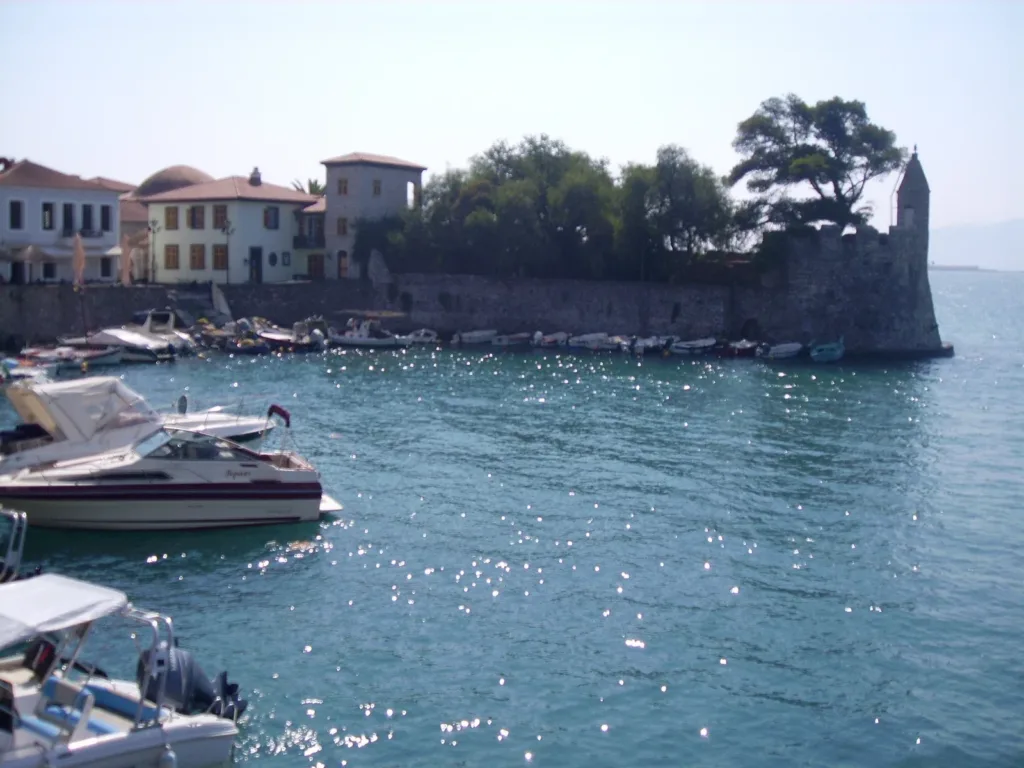

The acute economic and political tensions that have flared up between Turkey and its Mediterranean neighbours are largely centred on the island of Cyprus, according to the MIGnews portal. Looking back at history, 500 years ago Cyprus was not merely at the centre of international tensions, but at the epicentre of a full-scale world war waged by Islam with the help of its main striking force — the Ottoman Empire. It was a war for world domination, the turning point of which came in a terrible battle more than 540 years ago…
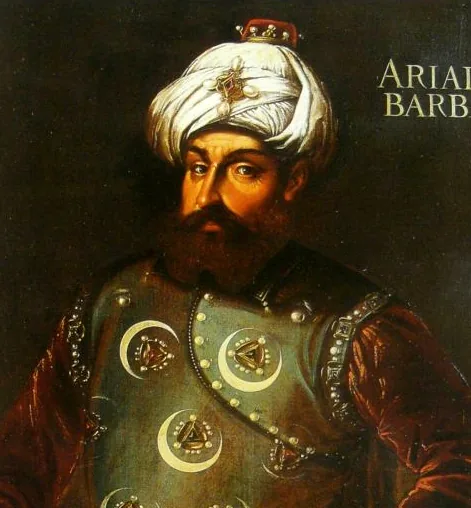 The Turkish sultans, whose ambitious plans included nothing less than the capture of Rome, the overthrow of the papacy, the destruction of Christianity and their own coronation in the capital of the Roman emperors, had been organising regular raids on Eastern, Southern and Central Europe for two centuries. They were often opposed by Christian states that were fragmented and at odds with one another. It would seem that nothing could stop the Turkish invasion: Christian fortresses, towns and states were being destroyed one after another.
It was on the island of Malta that the Turks first found themselves ‘stuck’. In the summer of 1565, the Knights of the Order of Malta defended the island at the cost of incredible effort and heroism. The defeated invaders lost their foothold for Islamic aggression against the whole of Southern Europe.
The next Turkish expedition, organised by Sultan Selim, set out to conquer Cyprus. Like Malta, Cyprus had always lived in the shadow of empires and religious wars. Seen from the air, the island resembles some sort of animal, as if clinging to the sea with its claws. Just 100 km south-east of the island lies Beirut, whilst to the north the snow-capped mountain peaks of Anatolia are visible. Throughout history, Cyprus has always been too tempting a prize for any invader. The island’s indigenous population were Greeks. Following the arrival of the Crusaders in Cyprus, the island’s character changed dramatically. Gothic cathedrals were built amongst the palm trees, transforming Nicosia into a multilingual meeting place for different worlds, and the port of Famagusta into the richest city in the world. In 1489, Catherine Cornaro, the last queen of the Crusader dynasty, realising she was unable to save the island, abdicated the throne in favour of Venice and spent the last 20 years of her life in exile.
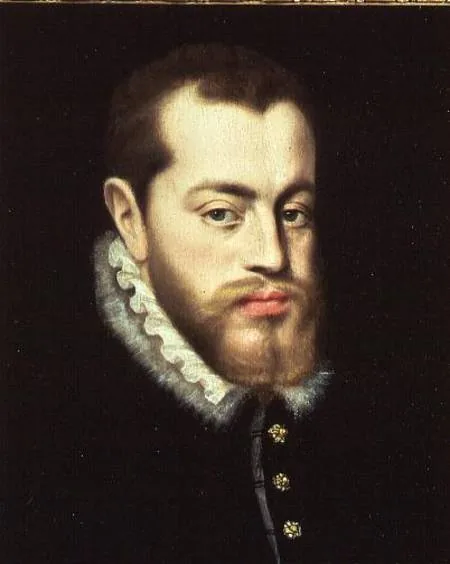 Almost from the very beginning of Venetian rule, Cyprus had been on the Sultan’s ‘wish list’. The Turks treacherously breached the peace treaty with Venice – a treaty the Venetians had scrupulously observed for 30 years – and landed a massive army on Cyprus: according to some sources, around 100,000 men. By the end of the summer of 1570, they had managed to capture Nicosia, completely wiping out its military garrison. The key port of Famagusta, however, held out for almost another year under the command of the talented generals Bragadin and Baglione. The Venetians and Pope Pius succeeded in forming the Holy League, whose aim was initially to save Cyprus and, in the longer term, to reclaim the Holy Land and Jerusalem. The main force behind the League was King Philip of Spain, with the vast resources of his great empire.
The heroic defence of Famagusta, having received no timely assistance, ended in defeat. At the end of July 1571, the city fell. The Turks, despite the pact signed for the fortress’s surrender and the promised guarantees of safe passage for the surviving defenders, carried out a massacre of the inhabitants.
The most horrific fate befell Bragadin, who was flayed alive; his skin was stuffed with straw, and this monstrous effigy was paraded throughout the Levant.
The disputes between the Spaniards and the Venetians threatened to tear the Holy League apart from within. However, news of the Turks’ cruelty and treachery reconciled the adversaries on the eve of the decisive battle, which took place on 7 October 1571. This year marks the 544th anniversary of the Battle of Lepanto — a decisive clash between Christianity and Islam that determined the fate of modern Europe and the whole of Western civilisation.
Near the well-fortified Turkish stronghold of Lepanto, at the mouth of the Gulf of Corinth, two fleets clashed: 300 ships on each side. The scale of the event was unprecedented in history. Along a 6-kilometre-wide front line, 600 ships and 140,000 sailors, soldiers and rowers prepared for battle – more than 70 per cent of the entire Mediterranean fleet.
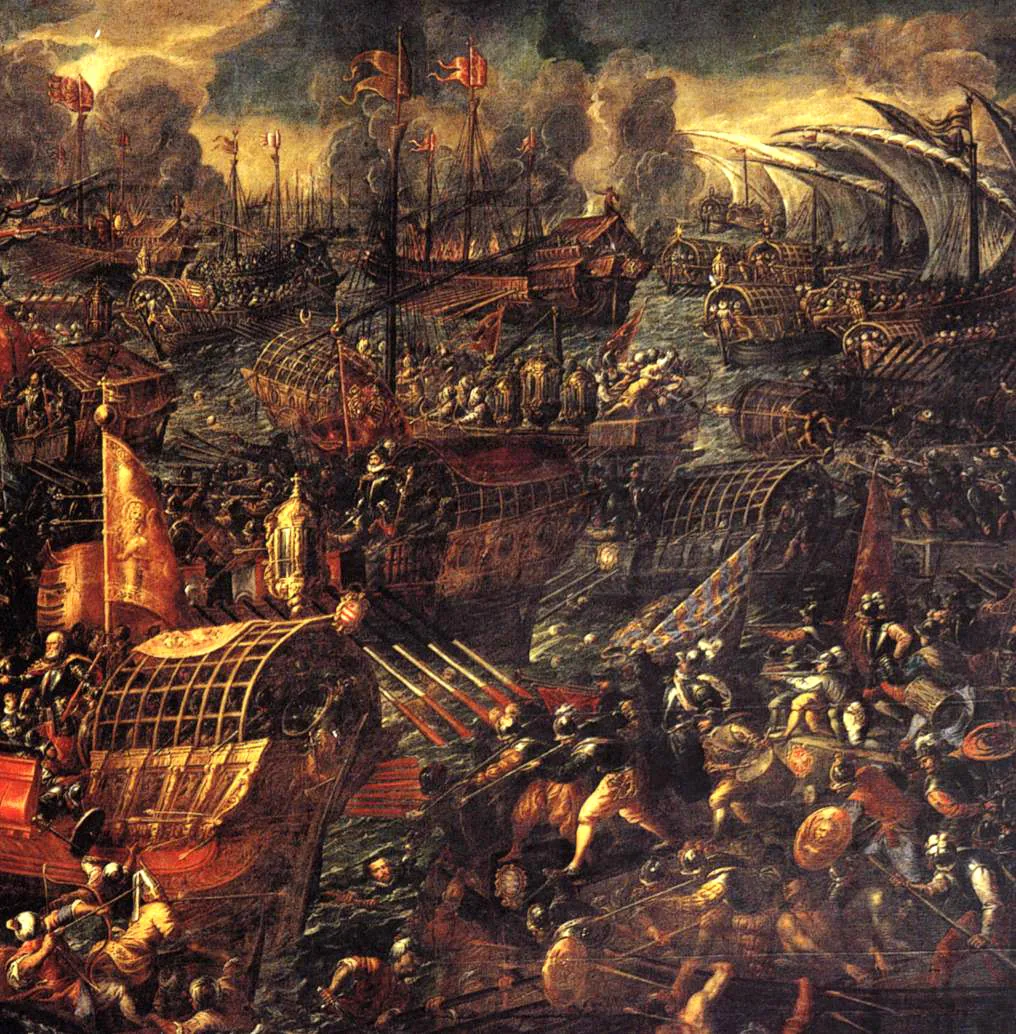 Despite the Turks’ slight numerical and organisational advantage, the Christians managed to emerge victorious from a fierce four-hour clash. The battle was so bloody and terrifying that it seemed as though fire and sea had merged into one. Many Turkish galleys were burnt to the keel. The surface of the sea, red with blood, was strewn with Turkish turbans, Moorish caftans, quivers, bows and oars, and on top of it all lay a multitude of human bodies: the dead and the wounded, struggling for their lives against the elements of the sea. The scale of the tragedy shocked the exhausted victors. In the space of four hours, 40,000 people were killed, 25,000 of them Turks. Nearly 100 ships were burnt, and 180 Turkish vessels were captured. The Ottoman chronicler Peçevi wrote in his obituary: ‘I saw the consequences of this accursed battle with my own eyes. Never before had there been such a catastrophic war, neither in the history of Islam nor in the history of naval battles, since Noah built his ark. 180 ships fell into the enemy’s hands, along with cannons, muskets and ammunition.”
On board the Spanish galley *Marquesa*, swaying with the waves, stood Miguel de Cervantes, a destitute nobleman unknown to anyone, with his chest pierced twice by an arquebus and his left hand permanently disfigured. It fell to him to sum up the battle: ‘The 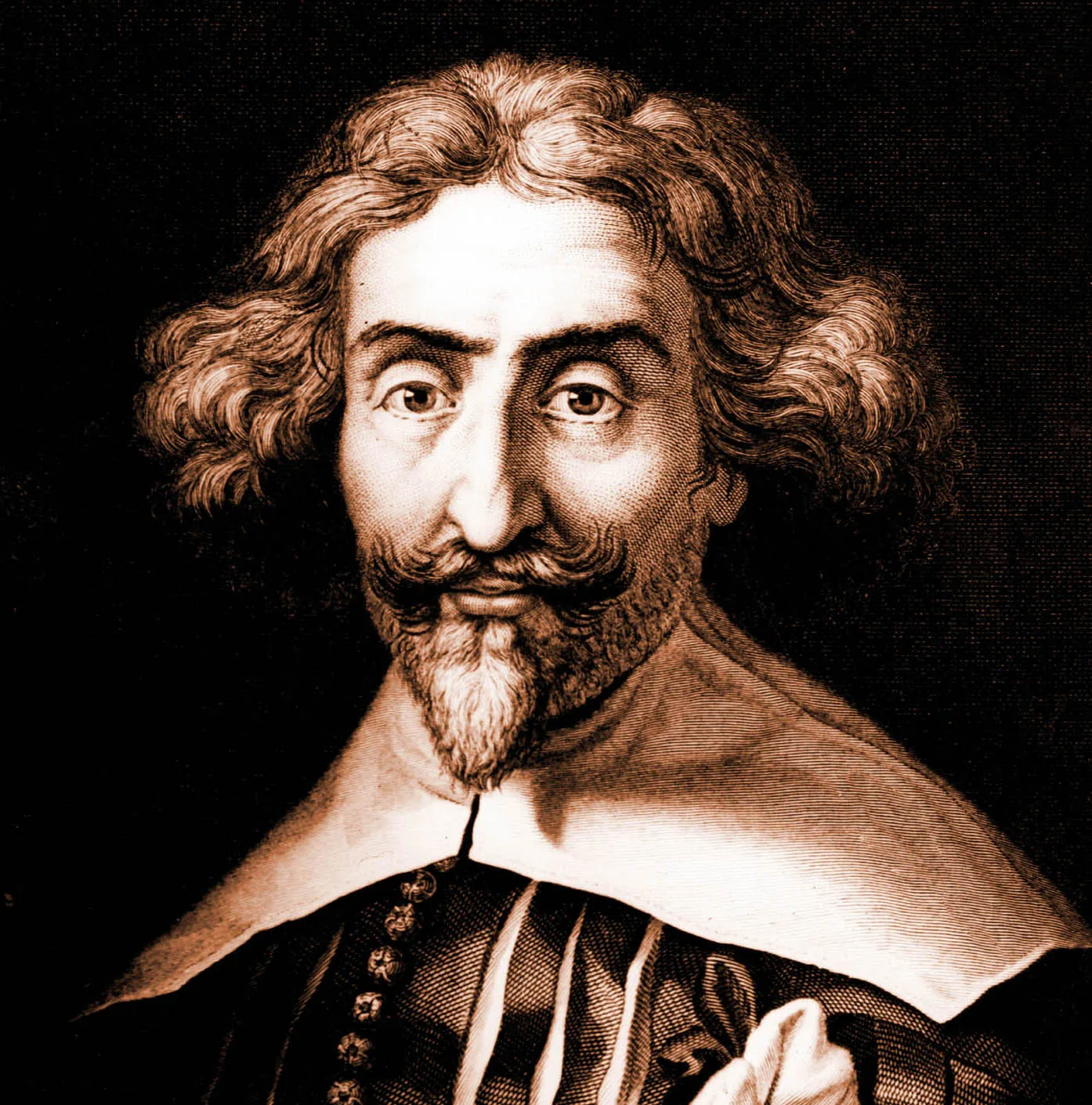 greatest event of past, present and future ages’.
Alas, Turkey’s current leadership not only remembers and knows its history well, but literally lives in that era. The resurgent neo-Ottoman expansionism, embodied by Turkish Prime Minister Erdogan, shows that the events of 540 years ago have taught them nothing. It is no coincidence that Erdogan named the Turkish Navy’s exercises ‘to defend the natural resources of so-called Northern Cyprus’ Operation ‘Barbarossa’. For some reason, the double irony of this name did not attract the attention of the Russian press. Hayreddin Barbarossa was a legendary Turkish admiral who ravaged and plundered the Christian Mediterranean for four decades. Most of the Turkish captains at Lepanto were his pupils. The Turkish research vessel ‘Kara Reis’, which is currently conducting illegal geological exploration within the Cyprus-Israel exclusive economic zone, is also named with a hidden meaning. This was the name of one of the outstanding Turkish commanders who survived the Battle of Lepanto.
But let us return to Lepanto. Although the League’s primary objective—the liberation of Cyprus—was not achieved (Cyprus was not freed from Turkish rule until 1878), the Battle of Lepanto was of immense historical significance. The machinery of Turkish naval aggression was shattered, and a relative balance of power was established in the Mediterranean. The wave of Islamic invasion was halted. The Turks were never again able to undertake naval expeditions on such a scale. From the second half of the 16th century, the slow but steady decline of Turkish power began. That very power which Erdogan and his party remember today – and perhaps mourn the loss of.